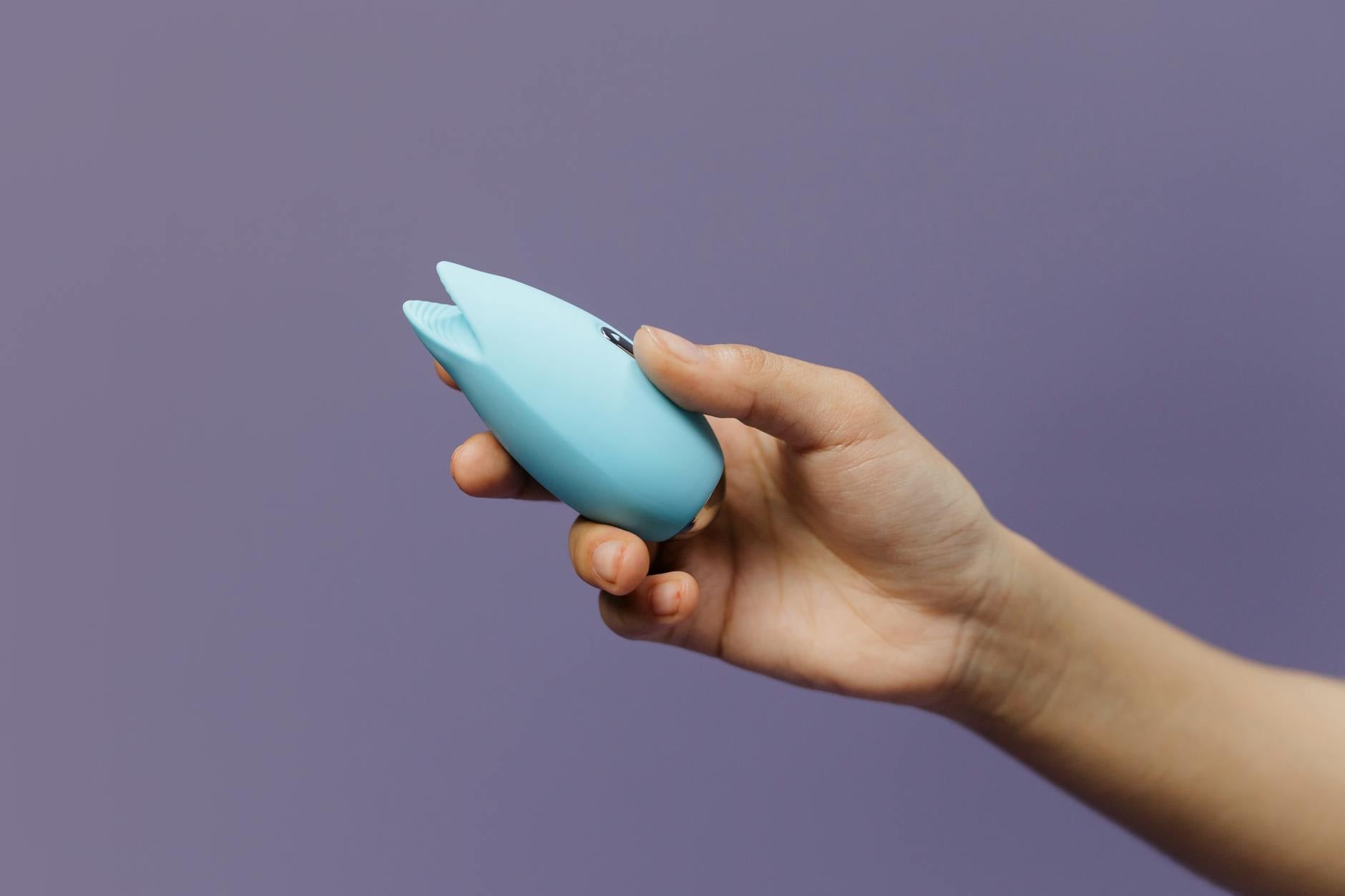
Can You Use a Lemon Vibrator If You Have Vulvodynia?
Let's be real: vulvodynia and pleasure have felt mutually exclusive for a lot of people. Chronic pain in the vulva can make the idea of any stimulation feel like a minefield. But here's what I've learned working with clients navigating this exact tension. A lemon vibrator, or any quality clitoral vibrator, isn't automatically off-limits.
The question isn't really "can I use this?" It's "how do I use this in a way that doesn't amplify my pain?" That's a completely different conversation.
What vulvodynia actually is
Vulvodynia is chronic pain in the vulva with no single identifiable cause. It can feel like burning, rawness, stabbing sensations, or a constant ache. Some people experience it all over; others have localized pain in specific areas like the vestibule or clitoris. The pain is real, validated by medical research, and frustratingly hard to treat.
Here's what matters for pleasure: vulvodynia is a nervous system condition as much as a tissue condition. The nerves in the vulva are in a state of hypervigilance. They're interpreting touch as threat. That doesn't mean the vulva is damaged or that pleasure is impossible. It means your nervous system needs a different approach.
The difference between pain triggered and pain healed
This is crucial, so I'm going to linger on it. There's a meaningful difference between stimulation that triggers vulvodynia pain and stimulation that actually feels good or even therapeutic.
Trigger stimulation typically feels sharp, electric, or burning. It activates the same pain pathways that already hurt. With vulvodynia, certain textures, pressure points, or vibration frequencies can send the nervous system into alarm mode. Using a lemon vibrator at high intensity directly on the clitoris, for example, might feel like ramping up existing pain rather than pleasure.
Safe, tolerable stimulation feels different. It might be gentle, lower-frequency vibration. It might be indirect (buzzing around the clitoris rather than on it). It might be rhythmic rather than random. Some people with vulvodynia report that the right kind of stimulation actually helps reset the nervous system's threat response over time. Not always. But sometimes.
How lemon vibrators compare for vulvodynia
The lem vibrator, and other quality clitoral suckers, have one major advantage: they use suction and pulsing patterns rather than direct friction. For some people with vulvodynia, this is gentler than traditional vibrators because it doesn't require sustained pressure on sensitive tissue.
That said, every nervous system is different. What helps one person might trigger another.
Here's what to consider:
Intensity control. The lem has multiple settings. Start at the lowest setting. You're not looking for the most sensation you can tolerate. You're looking for the least sensation that feels okay. That's the sweet spot.
Indirect vs. direct contact. Some people with vulvodynia find that positioning the lemon vibrator so the sensation wraps around the clitoris rather than drilling into it makes a massive difference. The pulsing suction can feel more manageable than straight-on vibration.
Frequency and pattern. Lower frequencies (around 50-100 Hz) tend to feel less triggering than high-frequency buzzers. The pulsing patterns on a lemon clitoral vibrator often feel more soothing than constant vibration.
Lubrication. Water-based lubricant is essential. It creates a buffer between the toy and tissue, reduces friction, and can feel protective rather than painful.
Building tolerance gradually (if that's your goal)
Some people with vulvodynia want to reclaim pleasure. Others are fine without it. Both are valid. But if you want to explore, slow is the only speed that works.
Start with no toy at all. Spend time noticing what touch feels tolerable. Is it possible to touch the vulva without pain? Where and how? This is baseline information. You're not trying to feel pleasure yet. You're just mapping what your nervous system can handle without alarm bells.
Then, introduce your lemon vibrator on the lowest setting, without turning it on. Let your nervous system get used to the object, the texture, the weight. Some people spend weeks here. That's not slow. That's smart.
When you turn it on, start at pattern 1, intensity 1, for 30 seconds. That's genuinely it. Assess. How did that feel? Not pleasure. Just: triggering or tolerable? If tolerable, you can gradually increase exposure: a few more seconds the next time, a slightly higher setting the time after that.
This sounds glacially paced. It is. But the nervous system learns through repetition and safety, not through pushing through pain. And when your nervous system starts to recognize that this sensation is safe, that's when pleasure becomes possible.
When to pause and seek help
If using a lemon vibrator (or any toy) consistently triggers pain that doesn't subside after 20 minutes, stop. That's your signal that this particular toy or setting isn't the right fit for your nervous system right now.
If you're interested in working with your vulvodynia more systematically, a pelvic floor physical therapist trained in pain neuroscience can be transformative. They can teach you nervous system regulation techniques, help identify specific triggers, and guide you through desensitization if that's something you want.
A sex therapist or counselor familiar with chronic pain is also worth exploring. Vulvodynia often comes with layers of grief, shame, and sexual identity questions that deserve space to work through.
The emotional piece (honestly, the bigger piece)
Using a lemon vibrator when you have vulvodynia is as much about emotional safety as physical safety. If the idea of pleasure has felt impossible or dangerous, your brain is going to need reassurance.
That reassurance comes from going slow, from noticing when something actually feels okay rather than just endurable, and from letting go of the expectation that you "should" be able to use toys a certain way.
I've had clients with vulvodynia discover that they can enjoy a lemon clitoral vibrator, but only in very specific ways. Low setting. Indirect stimulation. Five minutes max. And you know what? That's not a consolation prize. That's pleasure reclaimed on your terms.
People Also Ask
Is vulvodynia caused by vibrators?
No. Vulvodynia has multiple possible causes: hormonal changes, pelvic floor dysfunction, nerve sensitivity, past pain or trauma, or sometimes no identifiable trigger. Using a vibrator doesn't cause vulvodynia. That said, if you have vulvodynia, certain vibrators or settings might make symptoms worse. That's a sensitivity issue, not a cause-and-effect issue.
Can a lemon sucker help desensitize vulvodynia?
Possibly, but only with the right approach. Some research suggests that gradual, controlled exposure to touch (including gentle vibration) can help the nervous system downregulate its threat response over time. A lemon vibrator used intentionally and very slowly might be part of that toolkit. But this isn't a solo project. Work with a pelvic floor physical therapist if you want to explore this.
What vibration frequency is safest for vulvodynia?
Lower frequencies (50-100 Hz) tend to feel less triggering than high-frequency buzzers (150+ Hz). Suction-based devices like a lemon clitoral vibrator often operate at gentler frequencies and might feel more manageable than traditional bullet vibrators. But there's huge individual variation. What's safe for one person might trigger another.
Should I use lubricant with a lemon vibrator if I have vulvodynia?
Yes. Water-based lubricant reduces friction, creates a protective layer between the toy and your tissue, and can make the entire experience feel less aggressive. It's not optional. It's foundational if you're working with chronic pain.
How do I know if my pain is vulvodynia or something else?
Vulvodynia is a diagnosis of exclusion, meaning other conditions (infections, dermatological issues, allergies) have been ruled out. See a gynecologist or vulvovaginal health specialist. They can assess your pain, rule out other causes, and refer you to pelvic floor physical therapy if appropriate. Don't self-diagnose based on pain alone.
Can you have vulvodynia and still enjoy sex?
Absolutely. Pleasure and pain can coexist in complex ways. Some people with vulvodynia find that partnered sex (with appropriate communication and pacing) feels different from solo stimulation. Others discover that their most satisfying experiences come after learning how their nervous system works. It's not one-size-fits-all, but pleasure isn't off the table.
The real takeaway
Vulvodynia is not a reason to abandon pleasure. It's a reason to approach pleasure differently. A lemon vibrator can be part of that different approach, but only if you're willing to work with your nervous system rather than against it. Start slow. Use the lowest settings. Notice what feels tolerable, then build from there.
Your pleasure matters. And so does your pain. Both can be true at the same time. A therapist or pelvic health specialist can help you navigate the specifics for your body. In the meantime, know that thousands of people with vulvodynia have found their way back to pleasure. You can too.
If you're ready to explore slowly and intentionally, I'm here to support you. Reach out to our contact page to connect with resources, or check out our frequently asked questions for more guidance on using Hello Nancy toys safely with different body conditions.