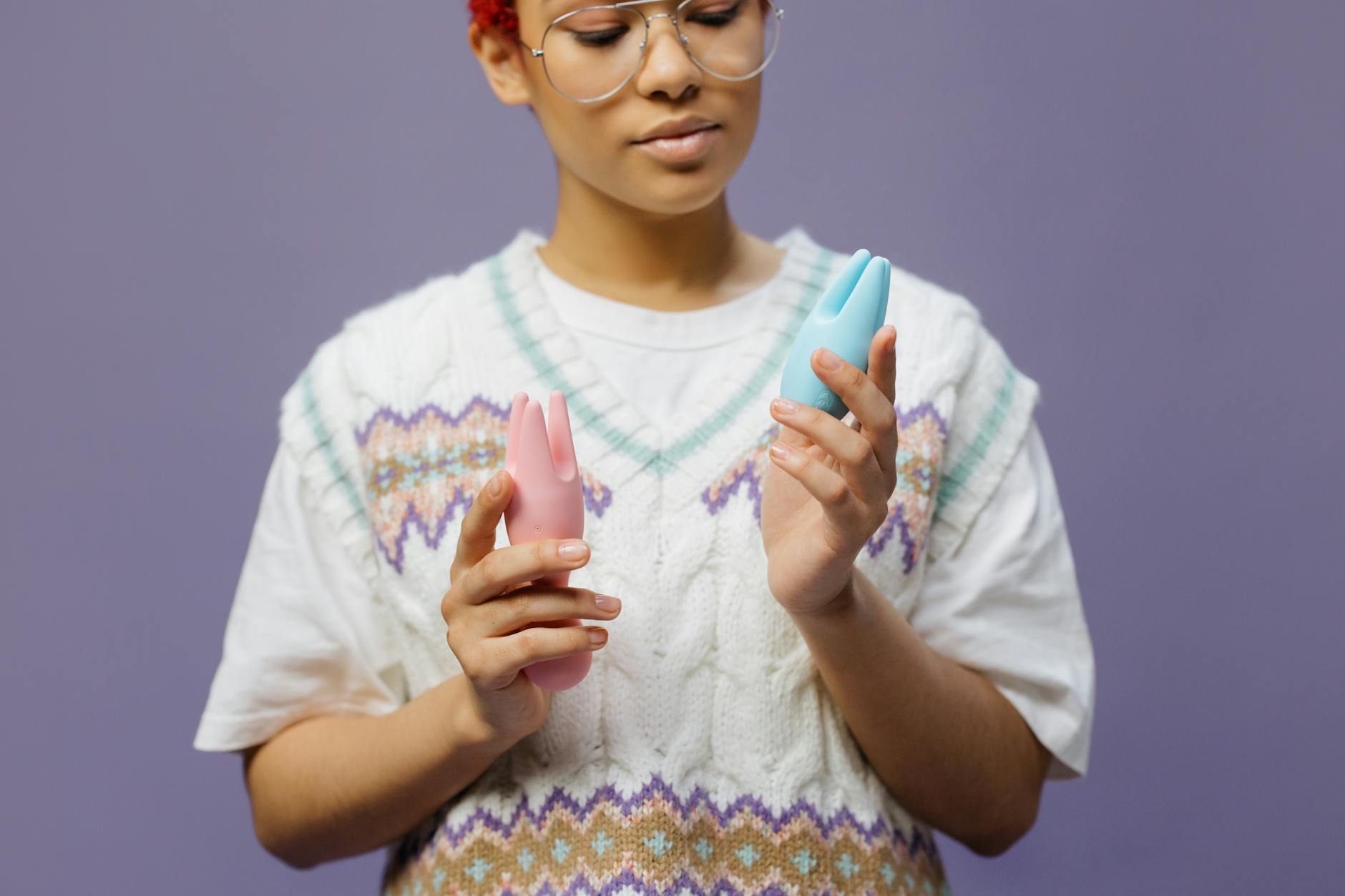
Let's start with the actual answer
Yes, but not in the way most people think. Lubricant doesn't make a lemon vibrator "work"—it changes what working feels like. For some people, that's transformative. For others, it's a small shift. And for a few, lube actually gets in the way.
Here's what changes, what doesn't, and why this matters more than anyone talks about.
How lube actually changes sensation with a lemon sucker
A lemon vibrator uses suction and vibration together. That's important because it means lube affects two separate things happening at once.
With suction, lube creates a seal. A better seal means stronger suction sensation. If you're someone who loves that pulling, drawing feeling—the hallmark of how a lem vibrator works—lube amplifies it. The moisture lets the silicone cup grip and release with more defined intensity.
With vibration, lube softens the direct buzz against your skin. Think of it like touching fabric versus touching bare wood. The sensation travels through the lubricated surface differently. It feels less sharp, more diffused. For some people, that's relief. For others, it's a loss of precision.
Then there's the glide effect. Even though a lemon vibrator stays in one place (unlike a wand that moves across your body), the lubricated surface feels smoother against you. This reduces skin friction, which matters more than people realize—especially if you have sensitive tissue or you're using the toy for longer sessions.
The surprising thing about lube and arousal
Here's what doesn't get said often: lube changes not just sensation, but psychological response. Your body reads lube as a signal of arousal and receptivity. This is why people often report that a lubricated experience feels "easier" or "more open" even if the actual physical sensation is less intense.
That's not placebo. Your brain is literally receiving information from your body that says "you're ready." That message travels upward and can accelerate arousal, increase pleasure, or just make the whole experience feel less effortful. And less effortful often means more fun.
Water-based lube versus silicone-based for your lemon vibrator
This matters. Water-based lubes are safer for silicone toys—they won't degrade the material over time. Silicone-based lubes are richer and last longer, but they can erode silicone toys if you use them repeatedly.
For a lemon clitoral vibrator made from medical-grade silicone, water-based is the standard choice. It washes away easily, it won't stain your sheets, and it won't compromise your toy's integrity.
The trade-off is that water-based lube dries faster. If you're planning a longer session, you might need to reapply. Some people keep a small spray bottle of water nearby to refresh it, which honestly works fine.
Silicone-based lube feels luxurious—it has a slip and glide that water-based can't match. If you absolutely love that sensation and you're willing to rotate toys to avoid degrading any single one, it's worth exploring. Just know the risk going in.
The intensity question: does lube make a lem vibrator stronger or weaker?
This is where I see the most confusion. Lube doesn't increase the vibration power itself—the motor stays the same. What changes is your perception of that power.
Because lube softens the direct buzz against your skin, a lubricated session often feels less intense than a dry one. Your first instinct might be to turn up the setting to compensate. That usually works. But it's useful to understand that you're not getting "more power"—you're redistributing the sensation differently across a larger area.
If you're someone who finds a lemon vibrator too intense on higher settings, lube can actually help. It acts as a buffer between the cup and your skin, which reduces concentrated stimulus while still delivering strong suction sensation.
Conversely, if you love that sharp, focused buzz and you've been using lube, try a session without it and see what shifts. Some people prefer the direct contact and find lube dilutes the experience they want.
When lube is actually necessary, not optional
There are specific scenarios where lube moves from "nice to have" to "medically sensible."
After menopause or hormonal shifts. If you're experiencing vaginal dryness from lower estrogen, lube isn't a luxury—it's a tool for comfort and safety. Tissue is thinner, less elastic, and more prone to irritation. Lube protects it. (If you want more detail on this, lemon vibrator sensitivity after menopause covers the full picture.)
During high-frequency use. If you're using your lemon clitoral vibrator multiple times in one session or back-to-back days, lube reduces friction and gives your skin a break. It's protective, not indulgent.
If you experience pain or discomfort. This is non-negotiable. Pain is information. It means stop, assess, and usually reach for lube or see a provider. Don't push through.
If you're using certain medications. Antihistamines, antidepressants, and hormonal birth control can all affect natural lubrication. Adding external lube compensates for what your body isn't producing.
The lube application strategy that actually works
Don't just squeeze lube all over the toy and hope. Here's what works better.
Apply lube directly to your skin first, not the toy. This gives your body a chance to distribute it, and it prevents the toy from being so slippery that it loses contact with you. Then, if you want a little extra on the toy itself—especially on the rim of the cup where suction happens—add a small amount.
With suction toys, you want a thin, even layer, not a slick puddle. Too much lube can actually reduce the seal because there's nothing for the cup to grip against. You're looking for glide and comfort, not a waterslide.
If lube dries partway through your session, add more. Don't just keep going with friction. That's how micro-tears happen.
How lube changes partner scenarios
If you're using a lemon vibrator with a partner, lube adds something psychological too. It signals consent and collaboration. A partner applying lube to you or to the toy is an intimate gesture—it's participation and care.
On a practical level, lube also means your partner can see and feel what's happening more clearly. The moisture makes everything visible. That visibility can build connection or can feel more exposed, depending on you. Know what you want before the moment arrives.
The one thing lube won't do
Lube won't fix a toy that's genuinely the wrong fit for your body. If a lemon vibrator causes pain or doesn't hit the spot you want stimulated, lube isn't the solution. That's usually a question of size, shape, or intensity—things lube can't address. If you're wondering whether a toy is right for you, how to use a lemon vibrator for the first time walks through that assessment.
The cleaning part matters too
If you use lube with your toy, you need to rinse it after. Dried lube builds up and can create a film that attracts bacteria. Nothing dramatic, but worth knowing. Warm water and a mild soap work fine. Make sure you get inside the cup where lube hides.
Stay consistent with this and you'll keep your toy clean and your toy working well for years.
FAQ: Lube and lemon vibrators
Do I need special lube for lemon vibrators?
No, but you need the right kind. Water-based lube is safest for silicone toys and is the standard recommendation. It won't degrade the material, it washes away easily, and it's body-safe. Avoid oil-based lubes (they can degrade silicone) and stick to reputable brands formulated for intimate use. Your lemon clitoral vibrator deserves the same care you give your skin.
Can I use coconut oil or natural oils with my lem vibrator?
Technically, coconut oil feels amazing and it's body-safe in small amounts. But it can degrade medical-grade silicone over time, especially if you're using your toy frequently. If you love the sensation of oil, rotate between toys so no single toy bears all that exposure. Or commit to water-based lube for regular use and save oils for occasional exploration. Neither choice is wrong—just be intentional.
Does lube make suction toys work less effectively?
Not less effectively, just differently. Lube can slightly reduce peak suction intensity because there's liquid creating the seal instead of direct skin contact. But many people find the tradeoff worthwhile—the sensation feels broader, less sharp, and often more comfortable. Try it both ways and let your body tell you which you prefer.
What if lube makes me feel self-conscious?
That's real and it's worth naming. Sometimes lube brings up feelings about your body or what it "should" produce naturally. Couple that with messaging that lubricant is only for people with problems, and you've got a recipe for shame. Here's the truth: lube is a tool for comfort and pleasure. Full stop. Using it means you're tuning in to what your body needs, not failing at some invisible standard. Your pleasure matters, and if lube helps you access it, that's a win.
Is there a best time in my cycle to use lube with a lemon vibrator?
Not really a "best time"—it's more about what your body is producing naturally. Your natural lubrication varies across your cycle. Early follicular phase is often drier. Late follicular and around ovulation is often wetter. During menstruation, you'll have blood providing some wetness but you might have sensitivity that makes lube feel protective. The advice is simple: listen to what your body is telling you and add external lube when you want it, not when you think you "should."
Can I use too much lube?
Yes. Too much lube can make a suction toy lose its seal, which means you lose the sensation you're going for. You can also end up with friction from the toy moving around rather than staying in stable contact with you. The goal is thin, even coverage—glide, not slick. If you're unsure, start with less and add more if you need it. You can always add, but you can't take it back mid-session.
The bottom line
Lube changes what a lemon vibrator feels like. Whether that change serves you is up to your body and your preferences. Some sessions are better dry. Some sessions are better lubricated. Some people are one or the other exclusively. The whole point of having options is that you get to choose what works for you.
Start by trying your lemon clitoral vibrator both ways if you haven't already. Notice what shifts in sensation, intensity, comfort, and pleasure. That information is gold. Your body knows what it likes. You're just gathering the data to listen to it clearly.
And if you want to talk through what might work for your specific situation, we're here to help you sort it out.