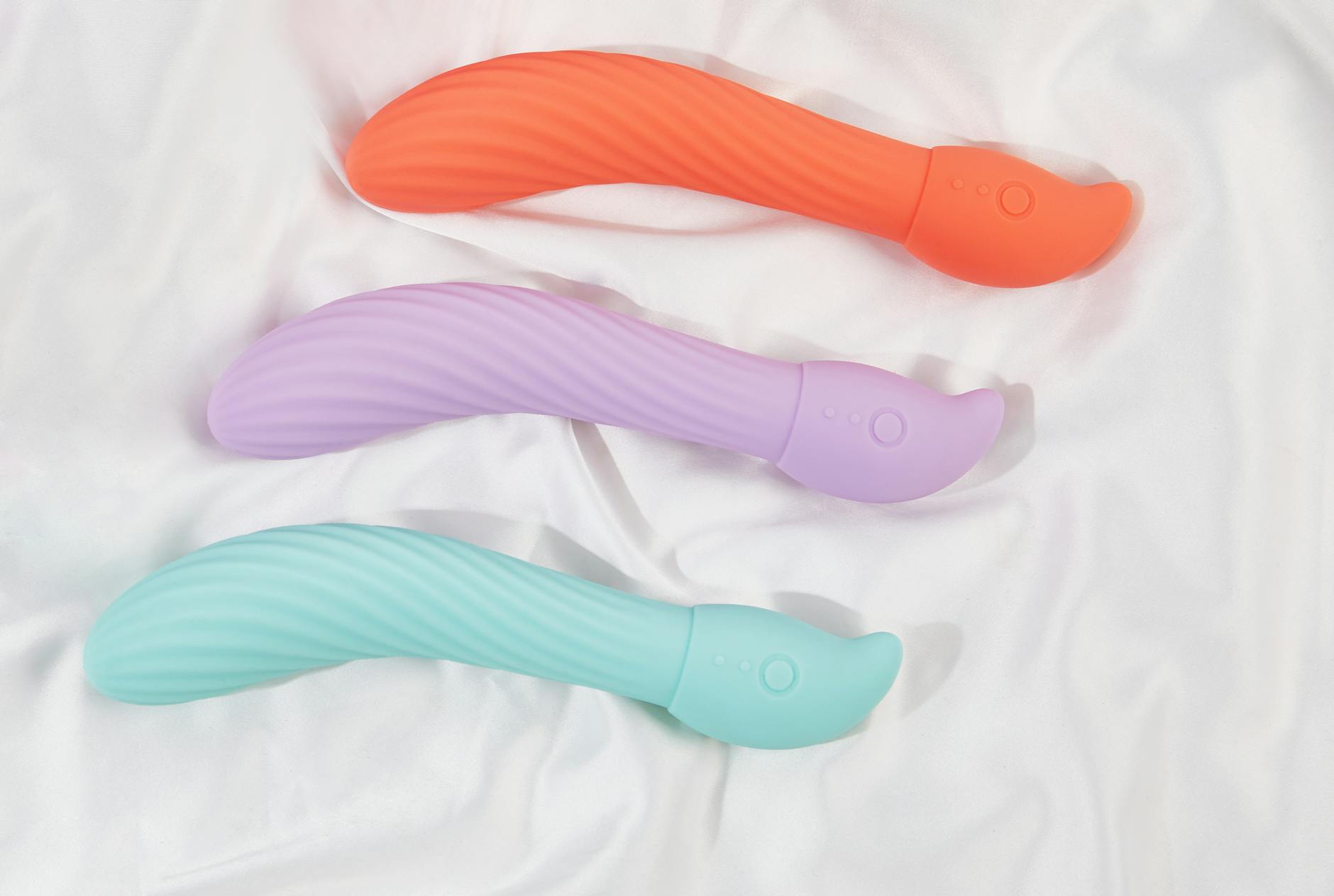
Let's talk about the gap
Years without sex changes things. Not permanently. But right now, in this moment, your body feels unfamiliar to you. That's not a failure. It's just biology meeting psychology, and both need attention.
Whether the pause came from grief, illness, medication, a ended relationship, or just life pressing down too hard, the fear is real. Will it still work? Will it hurt? Am I too far gone? The answer to all three is no, but I get why you're asking.
What actually happens physically during a long gap
When you haven't had sexual contact with your body for years, a few things shift. Pelvic floor muscles lose some tone because they're not being used. Vaginal tissue gets less blood flow and less lubrication naturally occurring. Nerve sensitivity can feel dulled or, weirdly, more tender. None of this is permanent, and all of it responds quickly to gentle, consistent attention.
Here's the part they don't tell you: your body hasn't forgotten how to feel pleasure. The neural pathways are still there. The clitoris has 8,000 nerve endings. Those don't go anywhere. What you're dealing with is more about reactivating a system that's been on pause, not rebuilding from zero.
Your brain is actually the bigger piece of this puzzle. Years of not touching yourself sexually can create a protective disconnect. Your nervous system learned that this part of you wasn't safe, wasn't available, or wasn't worth attending to. Rewiring that takes gentleness, not force.
Why a lemon vibrator is the right tool for this
If you're going to restart, pick a tool designed for clitoral stimulation that starts gently and lets you build. A lemon vibrator works through suction and pulsation rather than direct vibration, which means you can control intensity with precision. You're not overwhelming tissue that's tender from years of disuse.
The key advantage: you can start on the lowest setting and literally feel your body respond in real time. That feedback loop is crucial when you're rebuilding trust in your own pleasure.
Before you begin: permission and pacing
This is not about performance. You're not trying to achieve an orgasm on day one. You're not working toward anything except reconnecting with a part of yourself that's been asleep.
Set aside 20-30 minutes when you're not rushed. You need time to warm up mentally and physically. Your body needs time to remember what arousal feels like. If you rush this, your nervous system will stay in protection mode.
Clear the space. Phone on silent. A blanket you like. Lubricant nearby. Nothing else has to be perfect. This is just you and your body, relearning.
Session one: sensory mapping without the toy
Before you touch yourself with anything, spend time simply noticing. Lie down and slowly move your hands across your body. Notice what feels good. Notice where you hold tension. This sounds simple, but most people skip this step, and it matters.
Pay attention to your external anatomy. Not to do anything productive, but to remember what it feels like. Your vulva has changed over years. That's normal. The shape might be different. The color might be different. That's not bad. It's just different.
Spend five minutes here, minimum. This is not foreplay. This is archaeology. You're recovering sensory information your body's been holding.
Session two: introducing the lemon vibrator gently
Apply lubricant generously. Water-based is best because it won't degrade silicone. A lemon vibrator works best with lubrication, and after years without sex, your natural lubrication might need backup.
Start with the vibrator off. Just hold it. Let your body adjust to the temperature and weight. Let your nervous system register that this is okay.
Turn it on to the lowest setting. Many people start at setting one, which for most lemon vibrators is barely perceptible. Hold it near your clitoris without direct pressure. Let the sensation wash over you without trying to do anything with it.
You might feel nothing at first. That's completely normal. Sensitivity takes time to come back. Some people feel it immediately. Some take 3-5 sessions. Both timelines are fine.
What you might feel (and what it means)
Nothing. Some people feel nothing the first few times, and then suddenly on session four, something clicks. This doesn't mean you're broken. It means your nervous system is slowly moving out of protection mode.
Tingling or numbness. This is common after long gaps. Nerve endings are waking up. Keep going.
Tension or a pulling sensation. This usually means your pelvic floor is clenching. That's your nervous system saying "I'm not sure about this." Pause. Breathe. Try again slowly.
Pleasant sensation that builds. This is the goal. You're waking up.
Slight discomfort. This is different from pain. Discomfort usually means tissue that's tender is adjusting. If there's actual pain, stop. Pain is real information.
The timeline: weeks two through four
Once you've done 3-4 sessions and your body is beginning to respond, you can experiment with settings. Move from setting one to setting two. Notice the difference. There's no rush to find the highest setting. Fast often means you miss the pleasure that lives in the subtler ranges.
Length matters less than consistency. Two sessions a week for a month will do more for you than one intense session. Your nervous system resets faster with regular, gentle attention.
After two to three weeks of consistent sessions, most people report a noticeable shift. Sensitivity returns. Arousal builds faster. Sensation feels more like pleasure and less like static.
Common hiccups and what to do
Muscle tension or cramping around your vulva or lower belly. This often means you're bracing yourself. You're still not fully trusting. That's not something to push through. It's something to breathe through. Pause, breathe, come back later.
Feelings coming up. Grief. Anger. Sadness. This happens often when people reconnect with their bodies after years of disconnect. You're not broken. You're just processing. Let the feeling move through. It's part of the rewiring.
Wondering if this is working. It is. Rewiring takes time. You'll know it's working when you find yourself thinking about it between sessions. When you feel subtle warmth or tingle just thinking about it. That's your nervous system coming back online.
When to see someone (and why that's okay)
If pain appears and doesn't improve after a few gentle sessions, talk to a gynecologist. Pain is information, and sometimes it points to something specific that needs attention.
If you're still feeling completely numb after five or six sessions and you're on medication that affects sexual sensation, that's worth discussing with your doctor. Some medications need adjustment. That's a medical conversation, not a character flaw.
If the emotional piece is large and grief or trauma keeps surfacing, a therapist who specializes in sexuality and reconnection can be invaluable. You're not being dramatic. You're being thorough.
One more thing
Your body didn't break during the pause. It adapted. It protected itself. Now you're asking it to open again, and that takes time. Be kind to yourself. This isn't about performance or achievement. It's about coming home to yourself. That's worth the patience it takes.
People also ask
How long does it usually take to feel sensation again after years of not having sex?
Most people report noticing subtle changes within 2-3 weeks of consistent, gentle exploration. By week four or five, sensitivity usually improves noticeably. That said, everyone's timeline is different. Some people feel dramatic changes in session two. Others take 6-8 weeks. If you're not seeing any shift after two months of regular sessions, it's worth checking in with a doctor, especially if you're on medications that affect sexual sensation.
Is it normal to feel emotional when restarting?
Completely. Your body holds memory. When you reconnect with pleasure, you're also reconnecting with years of what you didn't feel or couldn't access. Grief, anger, relief, sadness, joy. These can all surface. That's not a sign something's wrong. It's a sign something's healing. Let it happen.
Can I use a lemon vibrator if I'm still with a partner but we haven't had sex in years?
Yes. In fact, you might want to tell them what you're doing, depending on your relationship and comfort level. Some people want to explore solo first and then bring the toy into partnered sex later. Others want to explore together. There's no wrong choice. What matters is that you're not creating another level of performance pressure on yourself. This is about reconnection, not about making your partner happy.
What if I use it and nothing happens for weeks?
That's not failure. That's your nervous system being very protective. Check in with yourself about what might be going on emotionally. Are you bracing against it? Are you worried it should be working faster? Is there shame or grief sitting underneath? Sometimes the block isn't physical. Sometimes it's about the story your body's telling itself. A therapist can help with that. So can patience.
Should I use lubricant even if I'm wet?
Yes. Even if natural lubrication starts happening, additional lubricant reduces friction and makes the sensation more comfortable. After years without sexual activity, erring toward more lubrication rather than less is the safer choice. Water-based works best with silicone toys.
Is it weird to want to do this but feel scared at the same time?
Not weird at all. Fear and desire can exist in the same moment, especially when you're reconnecting with something you've been separated from for a long time. Your nervous system is being asked to trust something it decided wasn't safe. That takes time. The fact that you want to try anyway means you're ready, even if part of you is scared. That's exactly how healing works.