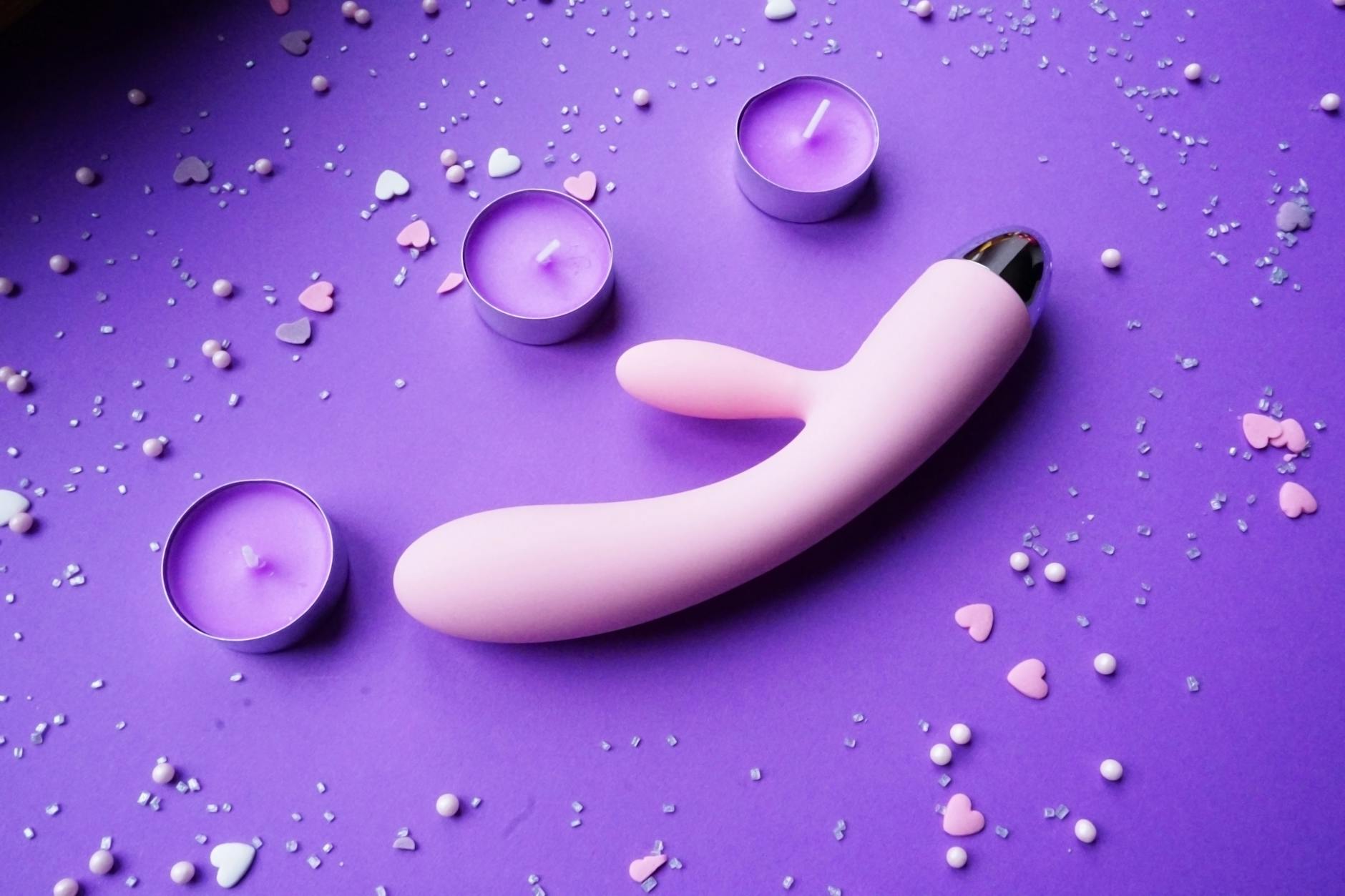
Pleasure isn't just about orgasms. It's about agency.
If you've survived sexual trauma, the idea of exploring pleasure again can feel loaded with meaning. Sometimes it feels impossible. The body holds memory. Touch that once felt safe might now trigger a response you can't control. And that's completely valid.
But here's what I've learned working with survivors over the years: pleasure and healing aren't separate conversations. They're the same one. When you can choose to touch yourself, in the way you want, at the pace you decide, you're practicing something deeper than physical sensation. You're practicing agency. You're telling your nervous system that you're safe because you're in control.
A lemon vibrator, or any clitoral vibrator, can be part of that practice. But only if you approach it the right way.
Why a lemon clitoral vibrator is different for trauma recovery
The Lem's design matters here. It uses gentle suction instead of vibration, which changes how the stimulation feels physically and psychologically. There's no aggressive buzzing. There's no sensation that mimics pressure from another body. It's just steady, consistent, predictable suction that you control completely. You choose the intensity. You choose when it starts. You choose when it stops.
For someone rebuilding trust in their body, that predictability is therapeutic. There are no surprises. No sudden changes in intensity. No need to negotiate or communicate with another person's impulses.
Lemon vibrators also create distance from the body, which some survivors find grounding. Unlike fingers or internal toys, the Lem sits externally. You can watch it. You can see exactly what's happening. Nothing is entering you without your explicit decision.
Building a protocol before you start
Don't just pick up a toy and see what happens. Create a plan. This isn't boring. It's the opposite. It's you deciding, in advance, how this experience will go.
Write down three things: When will you use it. Where will you use it. What will you need around you to feel safe.
Maybe that means Tuesday evenings, in your bedroom, with your phone on silent and the door locked. Maybe it means during the day, when you have more agency. Maybe it means with a trusted partner in the next room, knowing they're there but not participating. There's no right answer. There's only what makes your nervous system feel secure.
Next, identify what sensations feel grounding to you. Some people find cold water on the wrists helpful. Some people need a weighted blanket. Some people need to be able to see the entire room. Some need the lights off. Check in with yourself. What makes you feel held.
Starting small and staying present
Your first time using a lemon vibrator during recovery shouldn't be about reaching an orgasm. That's not the goal. The goal is to practice pleasure on your own terms, without pressure.
Start with the lowest setting. The Lem's first pattern is gentle enough that it shouldn't feel shocking. Spend time just experiencing what it feels like. You're not trying to achieve anything. You're gathering information about your body and what feels okay to you right now.
Many trauma survivors find that their mind disconnects from their body as a protection mechanism. You might feel numb. You might feel nothing. That's not a failure. That's your nervous system doing what it learned to do to keep you safe. Practicing presence with sensation, even small amounts, rewires that protection over time.
If you notice dissociation starting (feeling like you're watching yourself from outside your body, losing track of time, feeling foggy), pause. This is important. Dissociation is a sign that your nervous system has reached its edge. Respect that edge. Close the toy away. Ground yourself with something tactile. Hold ice. Feel your feet on the ground.
Handling flashbacks and emotional responses
Sometimes pleasure triggers memories. That's not a sign you're doing it wrong. It's actually part of healing. Your brain is processing. Your body is releasing stored fear.
If a flashback happens, stop immediately. Turn off the toy. You're safe. You're in your space. You chose this. Repeat that to yourself as many times as you need to.
Then do something deliberately calming. Some survivors find it helpful to shower afterward, letting warm water ground them back into their body. Some need to move. Some need to be still. You get to decide.
Don't shame yourself for having a reaction. Healing isn't linear. One session might feel completely safe, and the next might bring unexpected emotion. That variation doesn't mean the tool isn't working. It means you're processing, and processing is the work.
Why control matters more than sensation
Trauma takes agency. You're reclaiming it by using a lemon vibrator on your own terms. You control the intensity. You control how long. You control whether you finish or stop halfway through. You control everything.
Some survivors find that finishing an orgasm feels important, like completing something. Others find that just touching themselves without pressure to perform is enough. Both are healing. The point isn't the endpoint. The point is that you're the one deciding what happens to your body.
When to involve a partner, and how
If you're in a relationship and considering using a lemon vibrator with your partner present or involved, communication needs to happen first. Not during. Before.
Talk about what you need. Maybe you need them to be in the room but not touching. Maybe you need them to ask permission before they do anything. Maybe you need them to watch from across the room. Maybe you need them to leave the room entirely.
Your partner's job is to follow your lead, respect your boundaries, and understand that this is about your healing, not their pleasure. If they push back on that, that's important information.
You can also set a pause word. Not a safe word (that implies you're doing something risky). A pause word that means you need a break or a conversation.
The difference between numbness and healing
Early in recovery, you might not feel much during pleasure. You might touch yourself and feel almost nothing. Some survivors describe it as going through the motions. That's not failure. That's nerve endings that have learned not to fire. They're rewiring.
Consistency helps. Gentle, repeated exposure to sensation, with full control and safety, slowly teaches your nervous system that touch can be safe. But that rewiring takes time. Weeks. Months. Sometimes longer.
If after several months of gentle practice you're still feeling completely numb, and you want to feel more, talk to a trauma-informed therapist. Sometimes pleasure numbness is part of depression or another condition that benefits from additional support.
Questions to ask yourself before starting
Do you have a safe, private space where you won't be interrupted. Can you give yourself at least 20 minutes without pressure to perform or finish. Are you in a place mentally where you can be gentle with yourself if emotion comes up. Do you have access to grounding tools if you need them.
If you answered no to any of those, wait. There's no rush. Healing has its own timeline. The lemon vibrator will be here when you're ready.
People also ask
Can I use a lemon vibrator if I'm currently in therapy for trauma?
Yes, absolutely. In fact, combining therapy with solo pleasure practice can accelerate healing. Just let your therapist know what you're doing. They can help you process anything that comes up and adjust your approach if needed.
What if I feel guilty about pleasure after trauma?
Guilt is a really common response. Your nervous system might have learned that pleasure is dangerous or wrong. That's a trauma belief, not a truth. Gentle, consistent practice with a tool you control helps rewire that belief. But working with a therapist on the guilt layer will speed the process.
Is it normal to feel aroused during trauma processing?
Yes. The nervous system sometimes responds to fear, stress, or processing by creating physical arousal. It doesn't mean anything about you or what happened. It's just your body's response. You can notice it without judgment and continue with what you're doing, or pause if it feels confusing.
How often should I practice using a lemon vibrator during recovery?
There's no prescription. Some survivors find weekly practice helpful. Others do it monthly. Some explore daily for a while, then stop. Listen to what feels right. If it stops feeling nurturing and starts feeling like an obligation, you've probably overdone it. Step back.
What if my partner wants to watch, but I'm not ready?
Say no. Full stop. Your healing is yours. You don't owe your partner access to it. If they're pressuring you, that's a relationship boundary that needs addressing, possibly with a couples therapist.
Can using a lemon vibrator trigger new trauma responses?
It's possible, which is why starting small and having grounding tools ready matters. But sometimes releasing stored trauma is part of healing. The key is differentiating between processing (which might be uncomfortable but moves you toward healing) and re-traumatization (which leaves you feeling more unsafe). A good trauma therapist can help you tell the difference.
You're allowed to take your time
Reclaiming pleasure after trauma isn't a race. There's no timeline. Some survivors feel ready to explore new tools and sensations quickly. Others take years. Both are normal. Both are valid.
What matters is that when you do explore, you're doing it because you want to, in a way that feels safe, at a pace that doesn't overwhelm your nervous system. The lemon vibrator is a tool for that exploration. It's gentle, predictable, and fully under your control.
Your pleasure matters. Your healing matters. Your timeline matters. Take what you need.