Let's be real about pelvic pain and pleasure
Having a dull ache, chronic pelvic pain, or intermittent discomfort doesn't mean you have to put pleasure on pause. That's the lie you've probably been told. The truth is more nuanced. Pain and arousal can coexist. Your body can respond to the right kind of stimulation even when something hurts.
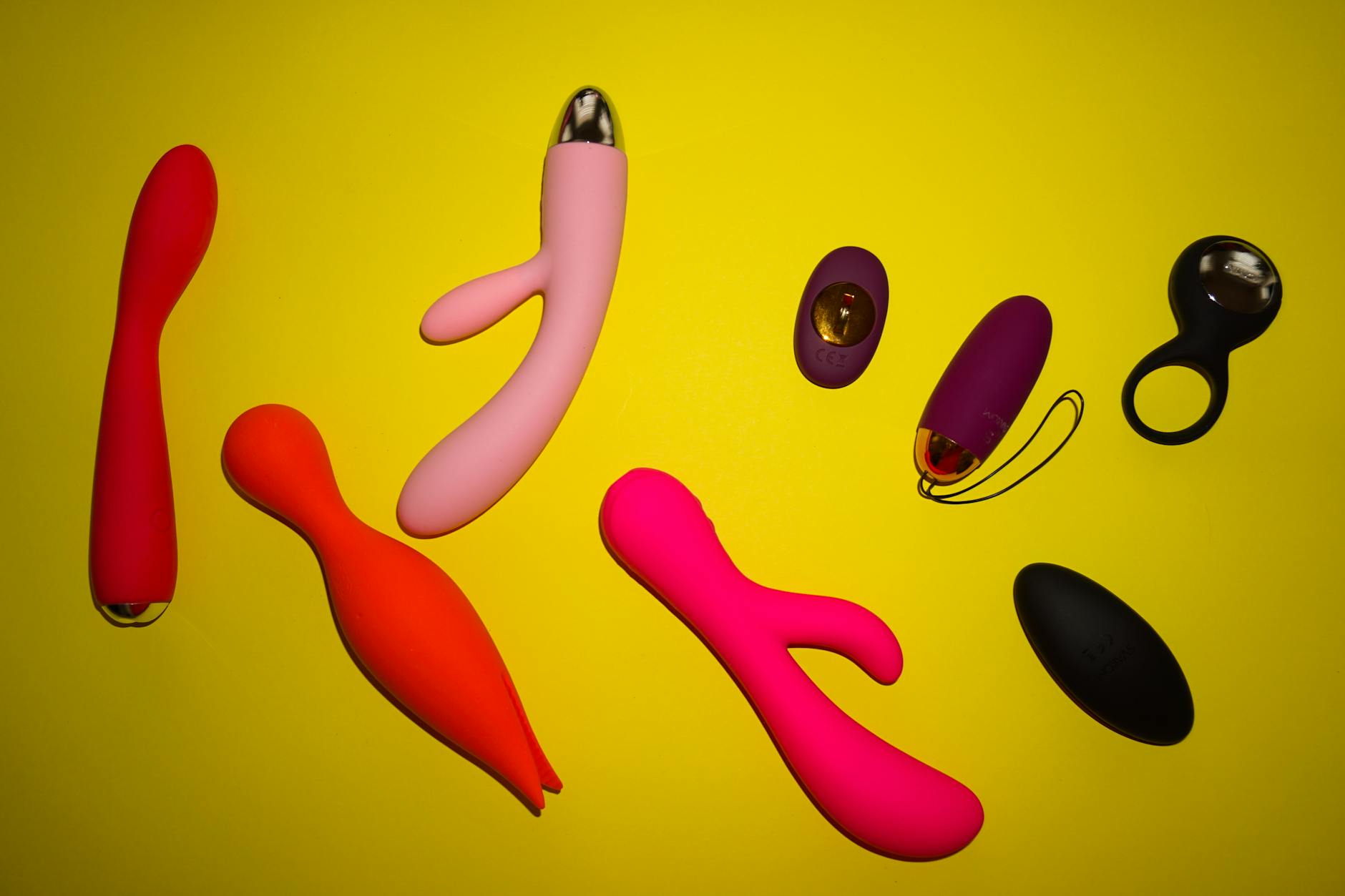
The key is understanding what kind of touch helps and what makes things worse. A lemon clitoral vibrator, with its gentle suction technology, can actually be a tool that works with your body rather than against it when you're managing pelvic pain or that persistent dull ache.
Why standard vibration might not work for pelvic pain
Traditional vibrators rely on rapid mechanical vibration that travels through the tissue and can aggravate inflammation or sensitivity. If you've tried a standard vibrator and found it made the ache worse or sent pain radiating through your pelvis, you're not broken. You just need a different approach.
The lemon vibrator uses air-pulse suction instead. This creates a gentler, more localized sensation that doesn't transmit the same vibration through surrounding tissue. It's the difference between tapping on a bruise versus gently pressing it. One irritates the injury. The other can actually feel relieving.
The first conversation: with your body
Before you use any toy when you have pelvic pain, you need to know your baseline. That means understanding what makes the pain better or worse on a given day. Some people find that gentle stimulation helps release pelvic floor tension and reduces the ache. Others find it makes pain more noticeable in the moment, even if it feels better afterward.
Try this: spend a few days noticing what the pain feels like at different times. Morning versus evening. After sitting versus after movement. After stress versus after rest. This isn't about fixing it yourself. It's about gathering information so you know what to expect when you add stimulation.
The positioning piece that most guides skip
Position matters more when you have pelvic pain. Flat on your back with legs extended can pull on pelvic ligaments and increase discomfort. Instead, try a reclined position with knees bent and a pillow or wedge under your hips. This tilts the pelvis and takes tension off the floor.
Some people find side-lying more comfortable. Lie on your side, keep your top knee bent, and rest it on a pillow. This position reduces pressure through the whole pelvic area and gives you easy access to your clitoris without straining.
The goal is zero additional tension. Your pelvic floor shouldn't be working to hold you up. If it is, adjust the position.
How to start with a lemon vibrator if you have pelvic pain
Don't dive in at full intensity. Here's a gentle progression:
Session one: focus on arousal without the toy. Spend 10-15 minutes doing whatever normally helps you feel turned on. Reading, touch, thought, fantasy. Notice whether pleasure actually happens when pain is present. For many people, it does. For others, it takes longer to build. Both are fine.
Session two: introduce the lemon vibrator at the lowest setting (pattern 1). Hold it away from your body first and just listen to the sound. Feel the vibration in your hand. Some people's nervous systems get activated just by proximity to a new tool. Let your body adjust.
Session three: apply the lemon vibrator to an area that doesn't hurt. The outer labia, the area above the clitoris, the inner thighs. Air-suction toys feel different from vibrators, so your body needs time to learn what it's experiencing. You're not trying to orgasm yet. You're building familiarity.
Session four: move slowly toward the clitoris. If you feel pain or the ache intensifies, pause. Breathe. Try a lower pattern or a different position. There's no rush.
What to do if arousal and pain don't coexist easily
For some people with pelvic pain, arousal actually reduces pain temporarily. The increased blood flow and nervous system activation can create relief. For others, anything that draws attention to the pelvis makes the pain feel more prominent.
If you're in the second group, that's still workable. Try using the lemon vibrator with your attention deliberately elsewhere. Some people find it helpful to wear a blindfold or focus on sound or breath rather than sensation. Others get better results when they're not expecting anything to happen. They're using the toy, but not trying to build toward orgasm.
This sounds counterintuitive, but removing the performance pressure often makes pleasure possible.
Communication if you have a partner
If you're exploring pleasure with someone else while managing pelvic pain, separate the conversations. "My body is in pain" is different from "I don't want to be intimate." They're not the same thing.
You might say something like: "I'm managing some pelvic discomfort right now. I'd like to try using the lemon vibrator together, but I need us to move slowly and check in often. This isn't about you doing anything wrong. It's about finding what works for my body today."
Then establish actual check-ins. Not "are you okay" every 30 seconds, which creates performance pressure. More like: "I'm going to pause in a moment. That's just me checking in with my body, not a sign something's wrong." Having permission to pause is sometimes the thing that makes pleasure possible.
When to involve a healthcare provider
If the pelvic pain is new, severe, or getting worse, see a pelvic health physical therapist or gynecologist before using any vibrator. Some kinds of pelvic pain need specific care, and the right treatment can actually make pleasure feel better.
Also talk to a provider if:
The pain is localized to one specific point and doesn't change with position or activity. You have pain that shoots down your leg or into your lower back. You've noticed the pain getting progressively worse over weeks or months. You have pain with penetration but not during other kinds of touch. A pelvic health physical therapist can identify whether you have pelvic floor dysfunction, an internal trigger point, or something else entirely. Many of these conditions are treatable, and treatment often means pleasure becomes easier, not harder.
The surprising thing about pelvic pain and sensation
Here's what I've learned from years of working with people managing chronic pain: pleasure doesn't always look like what you expected it to. Sometimes the most powerful sensation isn't an orgasm. It's a moment where you realize your body can feel good even on a day when it hurts.
That shift matters. It changes your relationship to your own body. It makes the dull ache feel less like a life sentence and more like something you're managing alongside everything else.
A lemon clitoral vibrator, with its gentle approach, can be part of that shift.
Frequently asked questions
Can I use a lemon vibrator if I have endometriosis or pelvic inflammatory disease?
If you have active inflammation or significant pain from endometriosis or PID, pause on the toy until the acute phase passes. During flare-ups, any stimulation to the area can amplify discomfort. Once things settle, gentle exploration with a tool like the lemon vibrator may actually feel better than traditional vibration because it's more localized. That said, always check with your healthcare provider first.
Will using a vibrator when I have pelvic pain make the pain worse long-term?
No. Pleasure and touch don't cause pelvic pain to progress. If anything, regular gentle pleasure can help reduce pelvic floor muscle tension, which sometimes accompanies chronic pain. The key is listening to your body and not pushing through sharp pain.
What's the difference between pelvic floor tension and pelvic pain?
Pelvic floor tension is tightness in the muscles, often from stress or habit. It might feel like a dull ache, heaviness, or pressure. Pelvic pain is often deeper, radiating, or localized to a specific spot. Many people have both. A pelvic floor physical therapist can tell you which one you're dealing with and whether a lemon vibrator is the right tool.
Can I orgasm if I have pelvic pain?
Yes, though it might take longer or feel different. Some people find that orgasm actually relieves pelvic tension temporarily. Others find it intensifies pain. There's no universal answer. You have to find what your body does.
Should I use the lemon vibrator every day if I have pelvic pain?
There's no magic frequency. Some people benefit from daily gentle touch. Others need a few days between sessions. Pay attention to how your body responds. If pleasure feels better the day after you use the vibrator, daily might work. If you need recovery time, give yourself that.
What if I'm on medication for pelvic pain? Does that affect how the vibrator feels?
Some medications dull sensation. Others reduce pain but keep sensation intact. If you're not sure how your specific medication affects arousal or sensation, ask your prescriber. They can tell you whether there's a best time of day to use the vibrator relative to when you take medication.
The bottom line
Pelvic pain doesn't disqualify you from pleasure. It just means you need to be intentional about how you explore it. A lemon clitoral vibrator, with its gentle suction technology and adjustable patterns, can be a tool that works with your body instead of against it. Start slow, listen to what your body tells you, and remember that pleasure looks different on different days. That's not a failure. It's you getting to know yourself more deeply.
If you're unsure whether it's safe to use a vibrator with your specific pain condition, reach out. We're here to help you navigate pleasure on your own terms.