Let's talk about the thing nobody explains
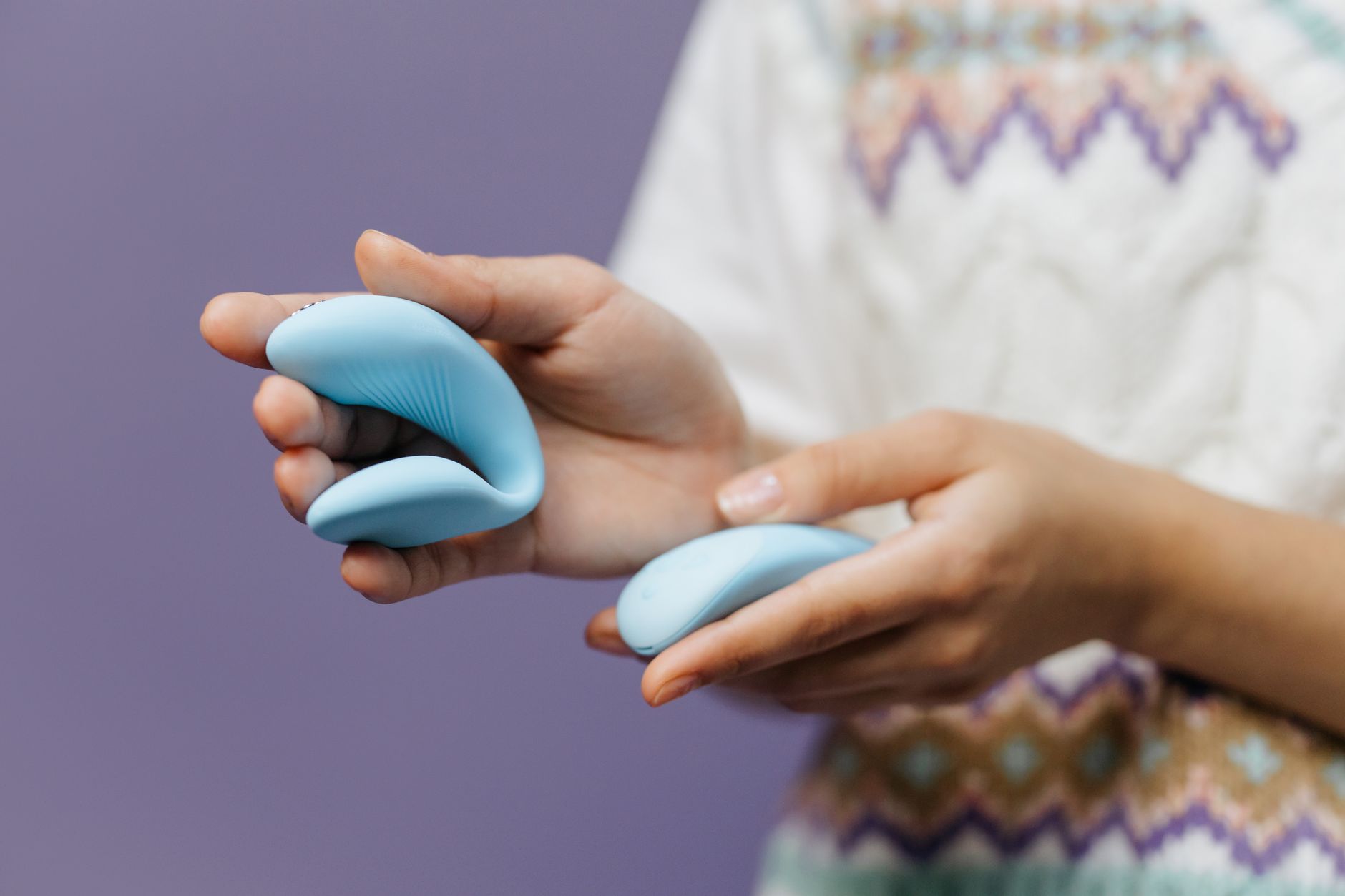
Multiple orgasms aren't a rare genetic gift. They're a skill. And honestly, they're far more accessible with air suction technology like the Lemon Clitoral Vibrator than they ever were with traditional vibration. The reason most people think they can't have them is simply that nobody told them how.
I work with people on this regularly. The pattern is always the same: they try back-to-back orgasms, hit a wall of numbness or oversensitivity halfway through the second one, and assume their body just isn't built for it. The truth is their technique needed one small adjustment.
How the refractory period actually works
Here's the physiological reality. After orgasm, most people with vulvas have a variable refractory period. That's the window where sensation dulls, desire drops, or the clitoris feels almost painfully sensitive. It's not a bug. It's your nervous system recalibrating.
The good news: this period is shorter than people think, and it's trainable. It averages about 5 to 10 minutes, but with strategic stimulation and the right toy, you can compress it significantly. More importantly, you can stay in a pleasure state the entire time instead of dropping into nothing.
With a lemon vibrator's air suction action, you have more control over intensity than with traditional vibration. That's the tactical advantage. You're not grinding against a buzzing motor. You're working with a rhythmic wave of pressure that you can modulate to keep sensation alive without overloading the nervous system.
The three-phase approach
Phase 1: The first orgasm (let it happen fully).
Don't rush this. Your first orgasm is the foundation. Use your lemon sucker at intensities 2 through 4, give yourself 15 to 20 minutes of buildup, and let your body reach a complete peak. Don't pull back. The better the first orgasm, the stronger the rebound into orgasm two.
Phase 2: The micro-recovery (stay engaged, drop intensity).
The moment after your first orgasm, most people either stop entirely (which extends the refractory period) or jump straight back into high intensity (which creates that numb, overwhelmed feeling). Neither works. Here's what works: stay engaged.
Immediately after your first orgasm, drop to intensity 1 or 2. Keep contact with your clitoris but don't apply pressure. Let the sensation wash over you without demanding anything. This is the counterintuitive part. You're basically saying to your nervous system, "Yes, we're still here. No, we're not rushing." Keep this micro-engagement going for 1 to 3 minutes depending on your body.
Phase 3: The second build (slower pace, same tool).
When you feel the first glimmer of arousal returning, still don't jump back to intensity 4. Climb progressively: intensity 2 for 2 minutes, then 3, then 4. You're training your body to recognize that pleasure can be stacked. This second orgasm might be quieter, more localized, or totally different in texture from the first one. That's completely normal and completely valid. Orgasm two isn't supposed to feel identical to orgasm one.
Why your lemon vibrator outperforms other toys here
Traditional vibrators work by repeatedly hitting the same spot at high speed. After one orgasm, your nerve endings are fatigued. Going back in at the same frequency and intensity creates that numb, irritated sensation that shuts things down.
The Lemon Clitoral Vibrator uses air suction, which is rhythmic rather than repetitive. The sensation is more about pressure and release than constant friction. That means you can drop to a lower intensity and still maintain meaningful stimulation. Your nerve endings aren't grinding the same way. You're working with wave patterns instead.
This is why people consistently report having better success with back-to-back orgasms using a lemon vibrator compared to traditional clitoral vibrators. The technology itself supports the pace and recovery you need.
The angle and positioning game
Where you place the suction cup matters more for multiples than it does for a single orgasm. After your first climax, your entire vulva is engorged and slightly rearranged neurologically.
For your second orgasm, try shifting the position slightly. Not dramatically. Shift left by a quarter inch, or angle it a touch higher on the shaft. This tiny repositioning means your nerves are reading something slightly new. It's enough to reset some fatigue without requiring a totally different toy.
Some people alternate between direct clitoral contact and indirect contact (more to the side or base of the clitoris). That variation alone can make a huge difference in whether a second or third orgasm feels possible.
Lubrication strategy for extended sessions
People often overlook this. After the first orgasm, your natural lubrication might shift. It might increase, decrease, or just redistribute. If you're using a water-based lube (which you should be with silicone toys like Lemon vibrators), reapply lightly after orgasm one.
A well-lubricated clitoris during the micro-recovery phase means less friction, more glide, and a smoother transition into arousal two. This isn't about making things "slippery." It's about maintaining the conditions your nervous system needs to keep firing without irritation.
Mental load is half the work
Honestly, multiples are as much mental as they are physical. The moment you start thinking, "Okay, one down, can I do two?" you're introducing doubt. And doubt is a buzzkill for round two.
Instead: commit to the micro-recovery phase as its own kind of pleasure, not as a means to an end. Feel the air suction at low intensity. Notice the afterglow. Don't narrate your arousal comeback to yourself. Let it happen without commentary. The shift from doing to receiving, from goal-focused to sensation-focused, is what lets the second orgasm sneak up on you naturally.
Common walls and how to break through them
"I always lose arousal halfway through the recovery."
You're probably dropping intensity too much or stopping contact entirely. Try maintaining intensity 1 the entire time instead of touching intermittently. The continuous light stimulation keeps your nervous system in the game.
"The second orgasm feels weak or far away."
Your first one might not have been complete. Mental pressure, rushing, or distraction can leave you with a partial climax that doesn't reset your system properly. Slow down the first build. Longer buildup, fuller release.
"Things feel numb no matter what I do."
You might need more recovery time. Multiples aren't a race. If your body needs 8 minutes instead of 3, that's not failure. It's information. You're learning your own rhythm, which is the whole point.
How many is actually possible
Three to four orgasms in one session is achievable for many people and sustainable. Five to seven is possible but requires more skill and nerve recovery. Beyond seven, you're running into legitimate physiological limits. Your nervous system needs a break. Respect that.
The goal isn't to squeeze maximum orgasms into one session. The goal is to experience pleasure on your own terms, at your own pace. Some sessions might be two orgasms. Some might be five. Both are wins.
FAQ: Your questions about multiples with your lemon vibrator
Can I have multiple orgasms if I've never had one?
Not yet, but the technique is actually similar. If you're still building toward your first orgasm, check out our guide on how to use a lemon vibrator when you have difficulty reaching orgasm. Master that first. Multiple orgasms build on the foundation of one reliable climax.
Does the lem vibrator work better than traditional vibrators for multiples?
Yes, consistently. Air suction gives you more control over intensity and sensation patterns. You're not locked into high-frequency buzzing. That flexibility is what makes multiples sustainable. But traditional vibrators can work too if you drop intensity aggressively between orgasms.
How long should the micro-recovery phase last?
Start with 2 minutes and experiment. Some people need 60 seconds, others need 5 minutes. There's no universal answer. Your body will tell you when arousal is genuinely coming back versus when you're just willing it back.
What if I feel pain during the second orgasm?
Stop immediately. Pain means you're pushing too hard or too fast. It might also signal that you need more lubrication or a longer recovery phase. Pain is not part of the process. Adjust conditions and try again next time.
Can my partner help with multiples?
Absolutely. If you're working with a partner, they can maintain the low-intensity stimulation during your micro-recovery while you're in that in-between state. Some people find this easier psychologically because they're receiving rather than managing the toy. If you want the full guide on partnered pleasure, we have a detailed piece on how to use a lemon vibrator when you want to feel sensation with a partner.
Should I use different intensity levels or patterns?
Yes. Changing the pattern or intensity between orgasm one and two actually primes your nervous system for a faster rebound. Even switching from pattern three to pattern one is enough to reset some fatigue. This is one reason having a toy with multiple settings is valuable for multiples work.
What about external factors like stress or fatigue?
They matter enormously. If you're exhausted or carrying stress, multiples become significantly harder. Your nervous system is already taxed. Start with lower expectations on those days. Good sleep and emotional regulation are part of the setup, not afterthoughts.
The bigger picture
Learning to have multiple orgasms with your lemon vibrator is about understanding your own nervous system's language. You're learning to speak fluently with your body instead of demanding it perform a script.
That skill translates everywhere. Once you know how to read the micro-signals between pleasure and shutdown, how to pace intensity, and how to stay engaged through transitions, you're not just adding orgasms to your session. You're building a deeper relationship with your own capacity for pleasure.
Start with two orgasms. Master that rhythm. Then move to three. The tool is simple. The skill takes practice. And practice, honestly, is the most rewarding part.