Let's start with what matters most
Sexual trauma changes how pleasure feels. It can numb sensation, spike anxiety, or create a disconnect between your body and mind that takes real work to bridge. But here's what trauma therapists and sex counselors agree on: pleasure is recoverable. It looks different afterward. It also tends to feel deeper.
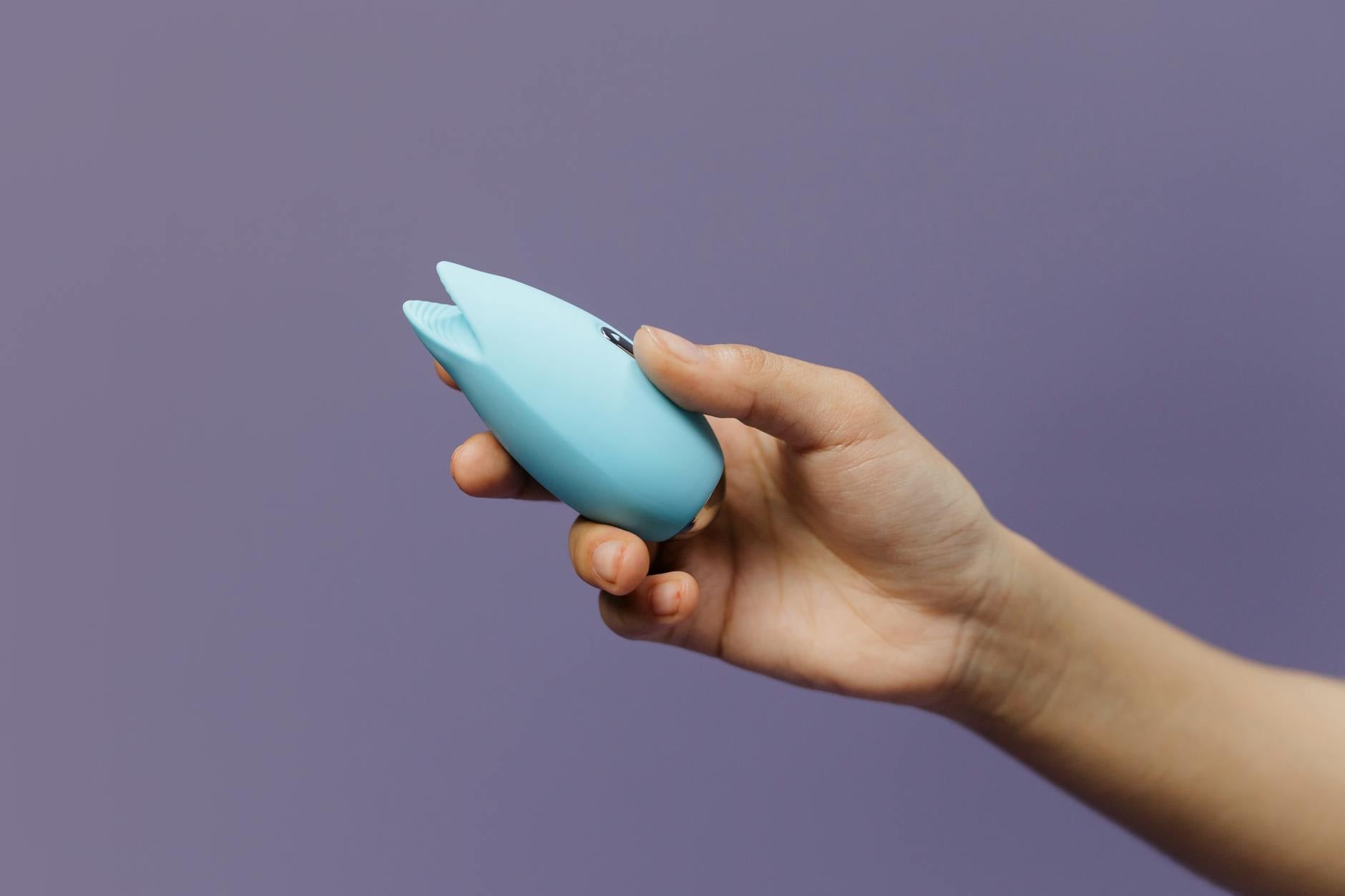
Using a lemon vibrator during recovery is not about forcing sensation back. It's about rebuilding agency, control, and trust in your own body. The key difference is intention, pacing, and tools that let you stay in charge.
Why vibrators help after trauma
Trauma rewires your nervous system. The fight-flight-freeze response gets stuck in the on position. Sensation becomes threatening instead of pleasurable. Rebuilding that requires something different from what caused the harm.
A lemon vibrator offers specific advantages during recovery: you control the intensity, the rhythm, the start, and the stop. There's no negotiation, no surprise, no dependency on another person's response. That control is not a small thing. For many survivors, it's the entire foundation.
The air-pulse design of clitoral vibrators like the Lemon also bypasses some of the triggering sensations of penetration or direct friction. You're stimulating the clitoris (which has no association with the trauma for most survivors) rather than the vaginal canal or vulva more broadly. That specificity matters.
Starting: the nervous system first, sensation second
Before you even touch a vibrator, check in with your baseline.
You need to know what grounded feels like. That might be: feet on the floor, a favorite blanket, a pet nearby, a song playing, the room locked, your phone on silent. Build that environment first. The vibrator is the last thing that enters the space, not the first.
When you're ready to explore, start with the vibrator off. Hold it. Feel the weight in your hand. Run it over your arm, your leg, your collarbone. This teaches your nervous system that the device itself is not a threat. You're gathering information without stakes.
Next, turn it on at the lowest setting (usually patterns 1-2 on lemon adult toys). Let it vibrate against your forearm or thigh. Not your genitals. Not yet. Just the neutral real estate of your body. This is desensitization work. You're teaching your body that vibration equals information, not invasion.
When you're ready to use it where it's designed
This might take days. Or weeks. There's no timeline.
When you do introduce the vibrator to your clitoris, start with it off. Place it gently. Breathe. Notice what you notice. No pressure to feel anything. No goal of orgasm. The goal is literally just: I can touch myself and feel safe.
Turn it on at the lowest setting. Leave it on one pattern for 30 seconds. Then turn it off. Pause. Breathe. Notice any sensation, any emotion, any tightness or release in your body. This is not foreplay. This is data collection.
If you feel grounded and want to continue, keep it on for another 30 seconds. If you feel panic, numbness, or a freeze response coming on, stop. Turn it off. Go back to your grounding ritual (feet on floor, blanket, whatever works). There is zero shame in stopping. Stopping is you honoring your own system.
Building a sustainable practice
The lemon sucker vibrators and other clitoral toys work best during recovery when you're building sensation in layers.
Week 1-2: Off vibrator, just presence. Touch yourself with your hand. No goal. Just texture, temperature, pressure.
Week 3-4: Vibrator at lowest setting, 1-2 minutes max, same time each day (routine signals safety to your nervous system). Stop before you feel overwhelmed.
Week 5+: Gradually increase duration and intensity only if you're staying grounded. If intensity 3 triggers anxiety, stay at intensity 2 for longer. There's no race.
Many people find that this slow rebuilding actually leads to more reliable pleasure than rushing. Your nervous system gets a chance to rewire the association between stimulation and safety. That's the opposite of trauma; that's healing.
Partners and trauma recovery
If you're with a partner, using a lemon vibrator with them is a separate conversation from using one alone.
Solo use first. Always. Let your body and nervous system remember what pleasure feels like without the complexity of being watched, worried about performance, or managing another person's arousal. Solo is your baseline.
When you're ready to include a partner, the script is clear: "I'm using this for me, at my pace. I might stop without explanation. That's not about you. It's about my body." If your partner can't honor that without getting hurt or defensive, that's information about whether this relationship is safe enough for recovery work.
The best partners sit beside you. They don't direct. They don't rush. They notice when you stop and ask if you want water, or quiet, or them to leave the room. That's partnership during healing.
What you might feel (and what's normal)
Numbness is normal. Your body learned to disconnect as protection. That numbness doesn't mean the vibrator isn't working; it means your nervous system is still in defense mode. Keep showing up. Keep being patient. Sensation often returns, but not on a predictable timeline.
Flashbacks can happen. A smell, a sound, a particular sensation, and suddenly you're not in the present moment anymore. That's not a failure. That's your system processing. If it happens, stop immediately. Use your grounding tools. Call your therapist if you have one. The vibrator isn't the problem; it's just the trigger that revealed something that needed attention anyway.
Arousals that don't build to orgasm are fine. For trauma survivors, arousal can feel disconnected from the rest of pleasure. You might feel lubrication or clitoral sensation but no urge to continue. That's a full stop sign. Your body is communicating. Listen.
Orgasms, when they come, often feel different. Less explosive. More internal. Sometimes almost muted compared to pre-trauma sensation. That's real. It's also not permanent. As your nervous system continues to rewire, sensation typically expands again.
Healing is not linear. But reclaiming pleasure is absolutely possible. Start where you are. Move at the pace that keeps you safe. That's the entire instruction manual.
When to bring in professional support
If you're experiencing severe flashbacks, panic attacks, or dissociation during any sexual activity (including vibrator use), that's a signal to pause and work with a trauma-informed therapist first. A lem vibrator is a tool for rebuilding, not a replacement for clinical support.
Many therapists now integrate somatic (body-based) healing with talk therapy. That combination often accelerates recovery more than either alone. If you're not already working with someone, finding a trauma-informed sex therapist or somatic practitioner is worth the effort.
If numbness persists beyond a few months of consistent gentle use, or if pain develops, that's also worth mentioning to a provider. Sometimes trauma lives in the pelvic floor as chronic tension. Sometimes it needs physical therapy alongside the emotional work. You're not being broken; you're being thorough.
The larger picture
Using a lemon vibrator during trauma recovery is not frivolous self-care. It's nervous system work. It's teaching your body that sensation can be safe, that you have agency, and that pleasure isn't something that was stolen forever. It's still yours.
Every time you show up to your own pleasure without pressure, without performance, without anyone else's needs in the room, you're rewriting the neurobiology of trauma. That's not metaphorical. That's measurable. That's how healing works.