Let's start with the reality
Here's the thing: your body hasn't forgotten how to get aroused. It's just slower now, and that's not a bug, it's biology. After 40, the neurological chain reaction that used to take five minutes might take fifteen. Thirty. Sometimes longer. And honestly? Most people don't talk about it, which means most people panic when it happens to them.
I'm here to tell you it's not panic-worthy. It's totally fixable, and lemon vibrators are weirdly perfect for this exact problem.
What actually changes with arousal timing
Blood flow to the clitoris takes longer to build. Vaginal lubrication (if that applies to you) starts later in the arousal curve. The nervous system needs more sustained stimulation to trigger the cascade that leads to orgasm. This happens because of hormonal shifts, reduced blood vessel elasticity, and the simple fact that your nervous system has been through decades of life and isn't quite as hair-trigger as it was at 25.
Here's the weird part though: this slowness doesn't mean less pleasure. It means your body needs a different kind of stimulus to get there. Manual touch, which worked great when arousal was quick, often isn't enough anymore. You're essentially looking for a tool that can provide consistent, focused stimulation for longer periods without requiring your partner's (or your own) hand to cramp.
Enter the lemon vibrator.
Why lemon vibrators work better for slower arousal
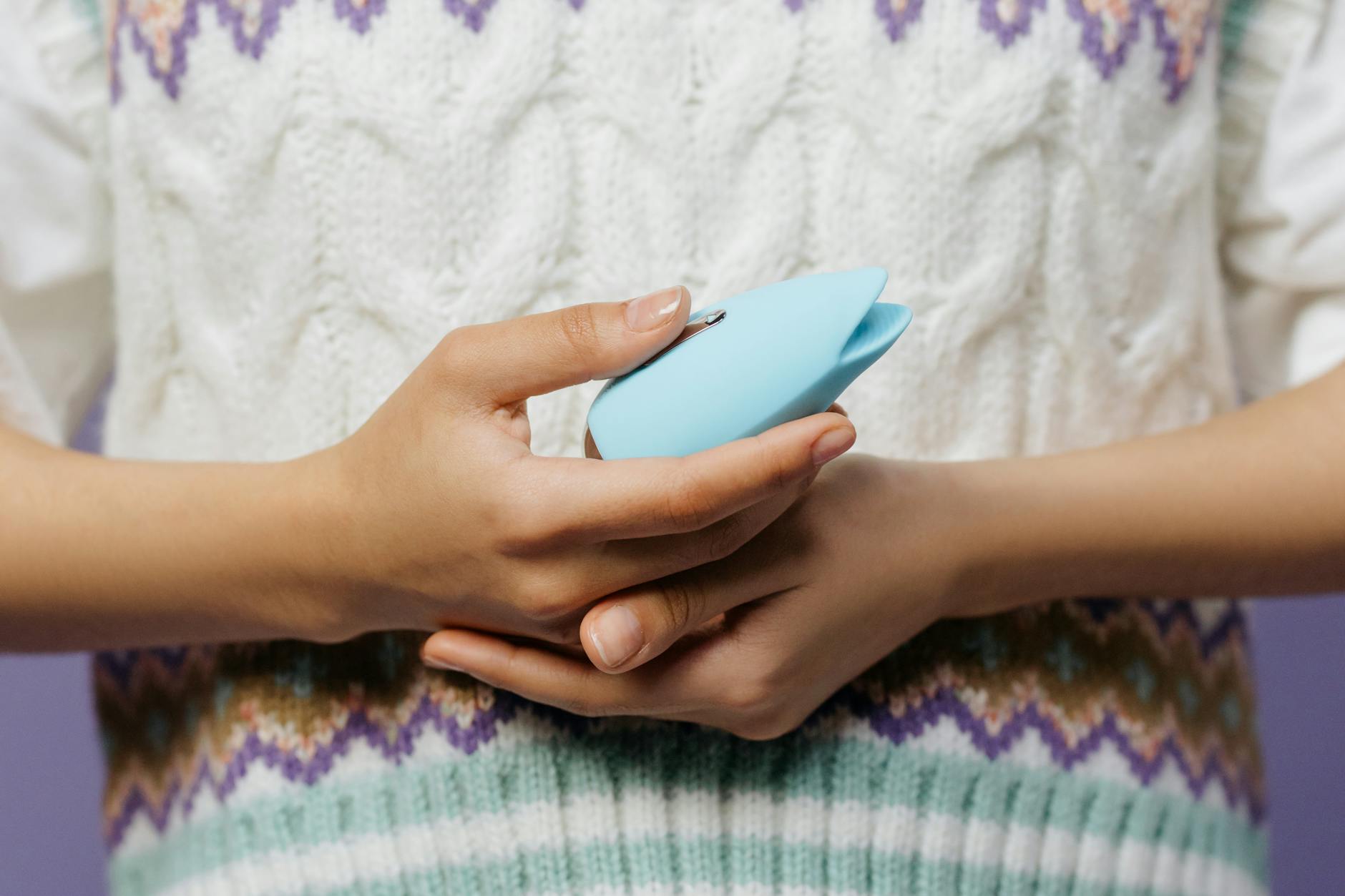
The design of a lemon clitoral vibrator is specific. The seal-and-suction motion that defines lemon vibrators works differently than a traditional vibrator. Instead of buzz, you get rhythmic pressure waves that stimulate a broader area of nerve endings. This matters because when arousal is slow to build, you need stimulation that's effective but doesn't feel jarring or uncomfortable as your body gradually wakes up.
A few specific advantages:
They don't require direct pressure. When you're in the early stages of arousal, direct clitoral contact can feel too intense or even uncomfortable. The suction-based approach of a lemon vibrator creates sensation without that immediate, pointed pressure.
You can use them for extended sessions. Because the sensation is comfortable rather than intense, you can use a lemon vibrator for twenty, thirty, or forty-five minutes without numbness or overstimulation. That extended time is exactly what slower arousal needs.
The pattern feels like it's building something. The pulses of a lemon vibrator create a sense of progression. Your body responds to that rhythm, and it genuinely does help speed the arousal process once you're already using it, even if the absolute earliest stages still take time.
The warm-up strategy that actually works
Forgot what used to work at 30? Let's rebuild this from scratch.
Start with at least ten minutes of non-genital touch. This isn't foreplay in the traditional sense. This is you (or you and a partner) building baseline arousal through touch to your neck, shoulders, inner arms, lower back. Areas with high nerve density but far from the clitoris. The point is to get your nervous system activated before you move south.
Then move to external stimulation without the vibrator. If you're with a partner, this might be manual touch or oral. If you're solo, it's your fingers. Spend five to ten minutes here. The goal isn't orgasm yet. It's to get your body to the point where it's actually responding, where blood is moving, where you feel the beginning of arousal.
Only then introduce the lemon vibrator. Start on the lowest pattern. You're not rushing to intensity. You're letting your body sync with the rhythm. Spend the next fifteen to thirty minutes here, adjusting patterns as arousal builds. Many people find that once they're genuinely aroused, patterns four through six become more interesting, but you don't jump there immediately.
The whole process from start to finish might take forty-five minutes to an hour. That's not a sign something is wrong. That's exactly what you should expect.
Why patience matters more than you think
Here's what I see in my practice: people try a vibrator twice, don't have an orgasm on attempt two, and decide vibrators don't work for them. Then they spend another five years thinking something is broken.
What's actually happening is they're expecting the same speed they had at thirty. Your body needs you to adjust your expectations and your timeline, not to fix something that isn't broken.
When you give yourself permission for longer arousal, something shifts. You stop rushing. Your partner (if you have one) stops watching the clock. The focus moves from "will this work" to "what am I feeling right now." That mental shift alone accelerates arousal more than any physical change could.
The lemon vibrator becomes a tool for that shift. It says to your body: "We're taking the time you need." And your body, given that permission and that consistent stimulus, usually cooperates.
Making it work solo versus with a partner
Solo. This is actually simpler. You control the pace entirely. Spend as long as you want in warm-up. Move to the vibrator when you feel ready, not before. Experiment with different patterns without any self-consciousness. Many people find they discover preferences they never had space to explore when someone else was involved.
With a partner. This requires a conversation that has nothing to do with the vibrator itself. It's about agreeing that arousal takes longer now, that this is normal, and that you're both invested in the process rather than the destination. If your partner gets bored during warm-up, that's a separate problem worth addressing. But assuming you're both on board, the vibrator becomes something you can use together. They can stimulate other areas while you use the lemon vibrator. Or they can take a break while you use it solo, then rejoin when you're more aroused.
The key: the vibrator isn't replacing them. It's just making the timeline work for your body.
When to add other tools to the mix
Once you've got the lemon vibrator working, you might find that combining it with other approaches speeds things up even more. Adding a wand vibrator (something like the Lolly Mini Wand) to broader areas while you use the lemon vibrator on your clitoris creates more overall stimulation. Some people find that internal stimulation alongside external clitoral work helps. Others discover that a particular pattern on the lemon vibrator combined with manual touch creates something that works beautifully.
The point: you're not locked into one approach. You're experimenting with what builds arousal fastest for your specific body at this stage of life.
When it might be worth checking in with a doctor
If arousal is slower but it's still happening, you're fine. This is normal aging.
If arousal has stopped happening entirely, or if there's pain during the process, that's worth discussing with a gynecologist or sexual health specialist. Sometimes slower arousal is hormonal (low testosterone, thyroid issues, estrogen changes). Sometimes it's medical (circulation problems, medication side effects). Sometimes it's psychological (depression, anxiety, relationship strain). A good doctor can help you figure out which, and whether treatment makes sense.
But I want to be clear: slower arousal alone, without pain or complete loss of desire, is not a medical problem. It's a timeline adjustment.
The confidence piece you're not thinking about
Using a lemon vibrator for slower arousal is also about rebuilding your faith in your own body. If you spent twenty years having sex that followed a certain speed and intensity pattern, and suddenly that pattern doesn't work, it's easy to feel like something broke. It didn't. Your body is actually still working perfectly. It's just not performing on someone else's timeline anymore.
A vibrator that works with your actual arousal curve, not against it, reminds you that your pleasure is worth the time it takes. That might sound soft, but it's the foundation of everything else. When you stop fighting your body and start working with it, arousal doesn't just happen faster. It feels better.
FAQ
How much longer does arousal typically take after 40?
There's no single number because bodies vary wildly. Some people notice a shift at 45. Others barely notice anything until 55. On average, if arousal used to take five to ten minutes to feel something meaningful, it might take fifteen to thirty minutes now. The key word is "might." This isn't universal. It's worth noting though that even people who don't notice major changes in speed often notice changes in what type of stimulation feels good.
Can I speed up arousal without a vibrator?
Yes, but it's harder. The warm-up strategy I outlined above works with manual touch alone. It just requires more patience, more communication (if you're with a partner), and honestly, more time. A lemon vibrator is specifically designed to provide sustained, comfortable stimulation that works with aging bodies. You can absolutely have great sex without one. But if slower arousal is frustrating you, a vibrator is basically the shortcut your body is asking for.
Is it normal to need more mental focus during arousal now?
Completely. Your brain needs to be more engaged. Stress, distraction, and wandering thoughts kill arousal faster than they used to. This is why the warm-up piece matters so much. You're not just warming up your body. You're asking your brain to show up and stay present. Some people find that a vibrator helps with this because the consistent sensation anchors attention. You're not thinking about your to-do list. You're focusing on what the vibrator is doing.
Should I use lube with a lemon vibrator even if lubrication isn't an issue?
If lubrication is fine, you don't need lube for comfort. But many people find that a bit of lube (water-based, since these vibrators are silicone) makes the sensation feel even better. It's not necessary. It's optional. Try it both ways and see what feels more pleasurable to you.
Can a partner help with this, or is it better to explore alone first?
Both work. Exploring solo first means you learn what your body needs without anyone else's pace or expectations in the room. That's valuable. But if you have a partner, involving them from the beginning and having that conversation about timeline is also fine. Some couples find this is actually when their sex life gets better because they slow down and pay more attention. The worst option is doing it secretly and then having it feel like something hidden.
Does arousal speed up again, or is this permanent?
It's permanent in the sense that your baseline arousal is slower now than it was. But it doesn't get progressively slower. You'll find a new normal. And honestly, once you accept the timeline and use tools like a lemon vibrator that work with your body, it stops feeling like a problem. It just feels like your life now. Which it is.
The bottom line
Slower arousal after 40 isn't a personal failure. It's not a sign your body is broken or that your best years are behind you. It's a signal that you need a slightly different approach. A lemon clitoral vibrator, patience, and permission to take the time your body actually needs transforms what feels like a problem into something that works really well once you stop fighting it. Your pleasure hasn't gone anywhere. It's just asking you to show up differently. And when you do, it's often better than you remember.
Ready to explore what works for your body? We're here to help. Reach out with any questions.