Let's name what's actually happening
Stress doesn't kill your libido. It hijacks your nervous system and tells your body that reproduction is a terrible idea right now. Your brain is running a survival program, not a pleasure one. The difference matters because it means your desire isn't broken. It's just offline.
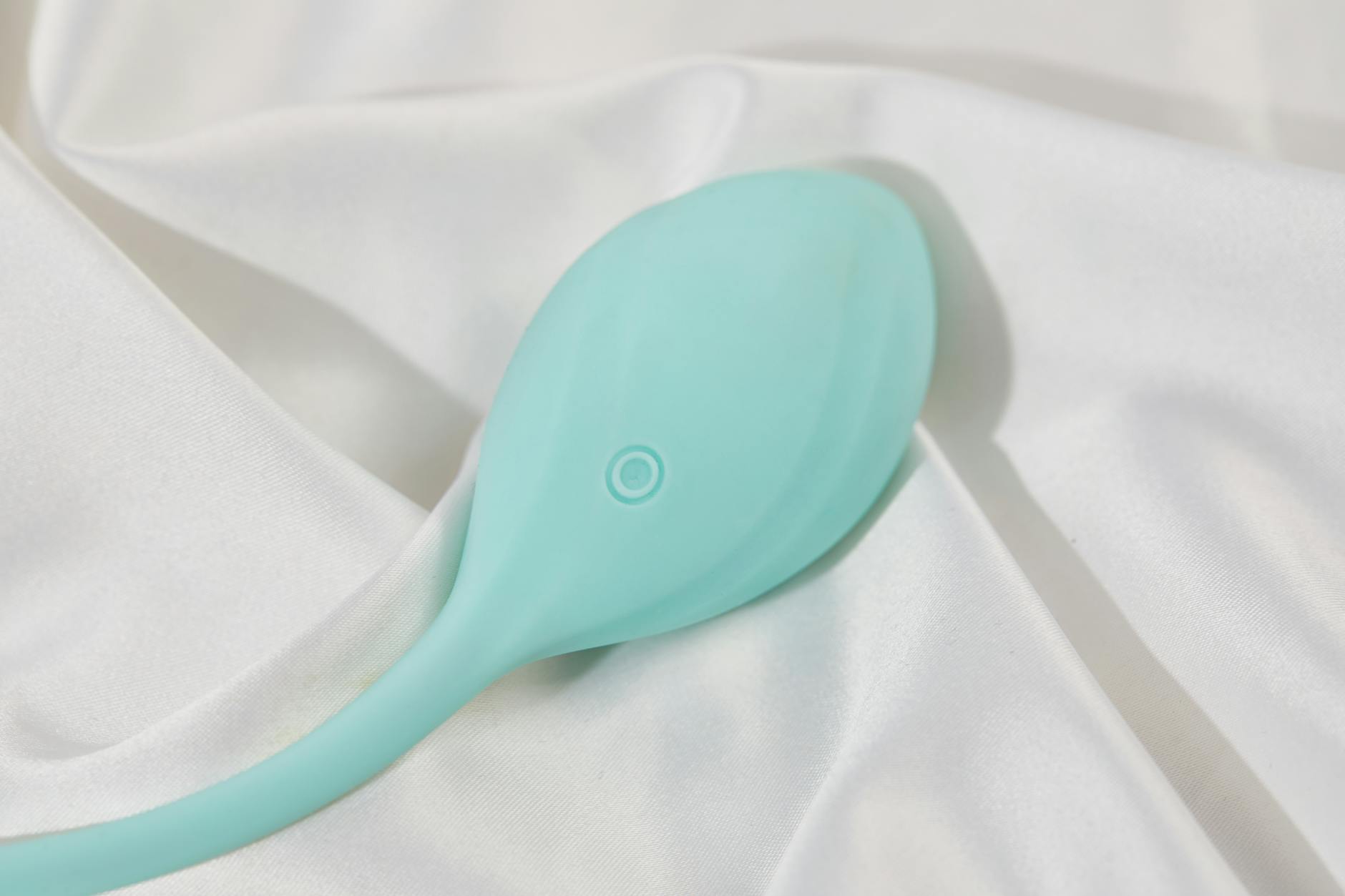
Here's the part no one mentions: when stress flattens your arousal, the usual self-pleasure routine often feels like another obligation. Guilt layers on top. You think you should want sex. You don't. You spiral. A clitoral vibrator like the Lem works differently in this situation because it doesn't require you to generate desire first. It generates the sensations that wake desire back up.
That's not a hack. That's physiology.
Why stress specifically tanks arousal
Cortisol and adrenaline are designed to keep you alert and reactive. They literally suppress testosterone and dopamine, the two chemicals that drive sexual interest. Add chronic stress (work chaos, money pressure, family stuff) and your arousal system gets stuck in the off position. You're not depressed. You're not broken. You're just neurologically locked out of desire.
The physical symptoms are real: tension in the pelvic floor, difficulty with lubrication, orgasms that feel distant or impossible. But here's what changes when you use a tool like a lemon clitoral vibrator during high-stress periods.
The suction-based stimulation of the Lem works on the external nerve clusters around the clitoris without requiring the mental bandwidth that partnered sex demands. You don't have to perform. You don't have to communicate. You don't have to manage anyone else's expectations. You just receive sensation. That's the reset button.
The actual protocol for stress-related low libido
Start with touch, not the vibrator. Before you pick up the Lem, spend 3-5 minutes with your hands only. Notice where tension lives. Most people with stress-flattened desire carry it in the outer labia, the mons pubis, and deep in the pelvic floor. Massage those areas gently. No goal. Just awareness.
Warm up longer than you think you need to. With stress-induced low libido, arousal builds slower because your nervous system is still partially in fight-or-flight. Budget 15-25 minutes of foreplay or self-touch before the vibrator comes out. This isn't indulgence. It's recalibration.
Use the Lem on the lowest setting first. Start at pattern 1 or 2. The goal isn't orgasm. The goal is sensation recognition. Your body needs to remember what pleasure feels like before it can want more. Some people stay on the low setting for multiple sessions before moving up. That's perfect.
Combine it with breathwork. Stress lives in shallow chest breathing. Deliberate slow breathing (in for 4, out for 6) tells your parasympathetic nervous system it's safe to relax. Use the vibrator while breathing this way. The combination rewires your arousal circuit faster than either one alone.
Stay solo the first few times. This isn't about rejecting your partner. It's about not adding the cognitive load of managing someone else's presence. Once your arousal system is back online, partnered pleasure becomes easier. But in the rebuilding phase, solo sessions create a faster feedback loop.
What to expect (and what not to expect)
Your first session might not feel good. That's normal. Stress numbs sensation temporarily. You might feel pressure where pleasure used to be. You might not feel much at all. Stay with it anyway. Your nervous system is learning that this stimulation is safe and available.
By session three or four, something shifts. Warmth appears. Sensation becomes more localized instead of diffuse. That's your body waking up.
Orgasm might not happen right away, and that's okay. When arousal is stress-flattened, orgasm is the last thing to return. Sometimes it takes six to eight solo sessions with the lemon vibrator before the orgasm reflex comes back fully. Pushing for it usually extends the timeline.
The mental part (which is actually the bigger part)
Here's where most guides fail. They give you the technique but skip the mindset work. When stress has killed your libido, shame usually moves in next. You feel broken. You feel guilty for not wanting your partner. You feel pressure to perform. All of that blocks arousal harder than the stress did initially.
You need to separate the three conversations. One: your body is neurologically locked by stress. Two: you're not broken. Three: pleasure is a recovery practice right now, not a performance.
When you sit down with the Lem, you're not trying to fix yourself. You're not trying to prove anything to your partner. You're literally just offering your nervous system a signal that says "the danger has passed, it's safe to want things again." That's the whole job.
When low libido from stress needs professional support
If you've been stress-depleted for more than four months and the Lem isn't helping after consistent use, talk to a therapist or coach who specializes in couples and stress. Sometimes the stress isn't actually about work or money. Sometimes it's about the relationship itself, and pleasure comes back only when that gets addressed.
Similarly, if your partner is the source of the stress, no vibrator solves that. You need to explore what reconnection actually looks like with professional support.
But for straightforward stress-induced arousal loss, the Lem and a consistent practice can restart your system in four to six weeks. That's a short timeline for rewiring how your nervous system reads safety.
Building the habit that matters
Treat solo sessions with your lemon clitoral vibrator like you'd treat any recovery practice: consistent and non-negotiable. Three times a week works better than once-a-week-when-you-remember. Your nervous system learns patterns through repetition, not intensity.
Some sessions will feel great. Some will feel like nothing. Both are working. Your body is slowly learning that this is a safe time to be aroused. That's the entire mechanism.
Once stress levels drop and your libido starts returning, the lemon vibrator becomes something different. It becomes a pleasure tool, not a recovery tool. That shift happens naturally. You'll feel it when it does.
People also ask
How long does it take for a lemon vibrator to help with stress-related low libido?
Most people notice a shift in sensation and arousal capacity within three to four weeks of consistent use (three times weekly). Full libido recovery usually takes six to eight weeks. Timeline depends on stress levels, overall health, and how long the arousal loss has been present. If stress remains high, recovery takes longer. Stress relief is part of the solution.
Can I use a lemon vibrator if my low libido is from antidepressants?
Yes. Many antidepressants suppress arousal and orgasm as a side effect. The Lem works particularly well because the suction-based stimulation is strong enough to cut through medication-related numbness. Start low, be patient, and expect sessions to take longer than they would without medication. If nothing shifts after eight weeks of consistent use, talk to your prescriber about dose or timing adjustments.
Should I tell my partner I'm using a vibrator to rebuild my libido?
That depends on your relationship and communication pattern. Some couples find that transparency helps both partners understand the arousal loss isn't about them. Others prefer to rebuild solo first and reintegrate later. There's no rule. What matters is that you're not hiding it out of shame. If you decide to tell your partner, frame it as "I'm working on rebuilding my arousal system" rather than "something is wrong with me."
Will using the Lem solo make me less interested in partnered sex?
No. The opposite usually happens. Solo pleasure practice with a clitoral vibrator often increases interest in partnered sex because your arousal system comes back online. You're not replacing your partner. You're restarting your system so you can be present with them again.
What if the lemon vibrator feels numb or painful when stress has killed my libido?
Numbness is normal in the first one to three sessions. Pain usually means you're going too fast or the vibration is too intense. Drop to pattern 1, slow way down, and focus on sensation rather than outcome. If pain persists after three sessions or you feel sharp discomfort, take a week off and talk to a gynecologist. Stress sometimes masks underlying pelvic tension that needs professional attention.
Can stress-related low libido come back after it's recovered?
Yes. If stress spikes again, arousal can flatten again. The good news: your system learned the recovery pathway once, so the second time is usually faster. You'll recognize the pattern and know exactly what to do. That's worth knowing.
The bottom line
Stress is a nervous system issue, not a desire issue. Your libido didn't disappear. It went dormant as a biological survival response. A tool like the Lem, combined with consistent practice and the right mindset, can wake it back up in four to eight weeks. The key is treating it like a recovery practice, not a performance, and letting your body lead the pace. When stress finally loosens its grip, your arousal comes back with it.