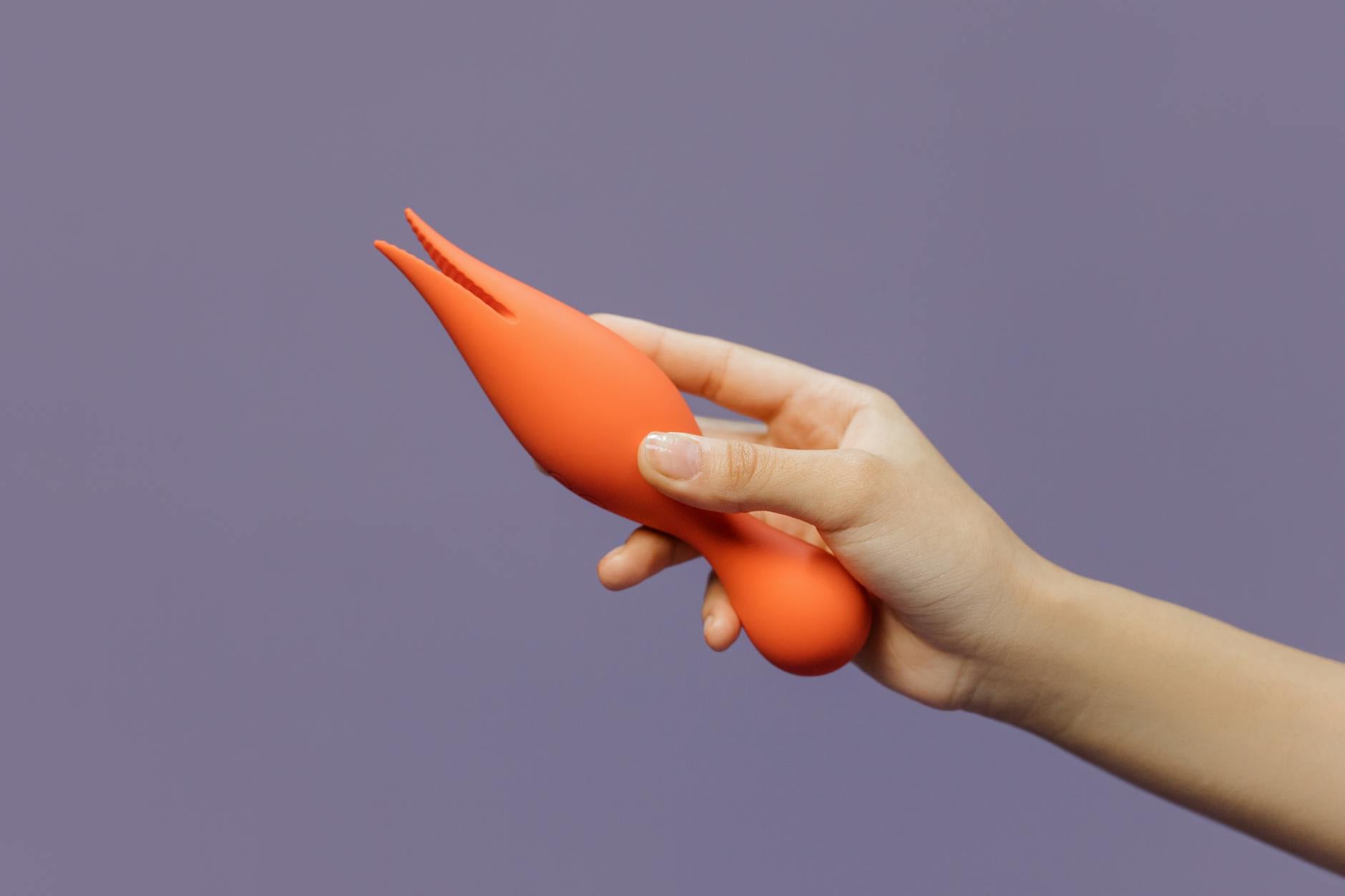
Let's start with what hesitation actually is
Your partner isn't saying no. They're saying "I'm confused" or "I'm worried this means something about me" or "What if this changes things?" Those are three different conversations masquerading as one "I don't know about toys." If you lump them together, you'll keep hitting the same wall.
Hesitation about toys in a relationship isn't usually about the toy itself. It's about vulnerability, adequacy, and the fear that pleasure has a scoreboard. It's fixable. But it requires patience and clarity, not persuasion.
Why partners get hesitant (and why it's not what you think)
Here's what I hear most often in my practice from partners who are nervous about introducing vibrators like the lemon clitoral vibrator:
"I worry she'll prefer it to me." "What if he thinks I'm not satisfied with him?" "This feels like it's saying his touch isn't enough." "I don't know where to put myself in this."
Notice what's actually happening. It's not about sex. It's about belonging. Your partner is wondering if a toy means they're replaceable. That's not irrational. That's a person who cares about mattering.
The fix isn't to convince them the toy is "just a tool." That's technically true and also completely unhelpful, because it doesn't address the actual fear. The fix is to reframe what pleasure means when you're together.
The conversation before you introduce anything
Don't lead with the toy. Lead with the desire.
Say something like: "I've been thinking about what turns me on and how we could explore that together. I want you involved, not replaced. I'm curious about trying something that could feel amazing for both of us, and I want your thoughts."
That's it. You're not asking permission. You're extending an invitation and making space for their anxiety to surface.
Listen to what they say next. If it's "Okay, what did you have in mind?" that's enthusiasm wrapped in caution. If it's "I don't know..." that's the moment to slow down. Ask directly: "What worries you about it?"
Let them answer. Don't jump to reassurance before you hear what they're actually afraid of.
Three types of hesitation (and how to respond to each)
Hesitation 1: "Will I be inadequate?"
This is about adequacy anxiety. Your partner thinks their body or their touch isn't enough.
Response: Name what a lemon clitoral vibrator actually does. It's not replacing sensation. It's adding a layer that neither of you can create alone. Say: "I want this because it feels good, and I want you here while it's happening. This is about having more pleasure together, not less of you."
Then make sure you follow through. When you use it together, keep touching them. Make eye contact. Don't make the toy the center of attention. Make each other the center, and the toy becomes part of how you're both present.
Hesitation 2: "This isn't normal, and it means something is wrong."
Your partner grew up with messages that good sex doesn't need accessories. That wanting more means you're broken or insatiable.
Response: Normalize it. "Most couples I talk to have tried toys at some point. It's not weird. It's actually how a lot of people discover new things together." Don't make it a bigger deal than it is. Say it matter-of-factly and move on.
Hesitation 3: "I don't know how to be involved with this."
Sometimes the hesitation is practical. They genuinely don't know what their role is supposed to be.
Response: Be specific. "I'd love it if you held it sometimes. Or if you watched. Or if we found positions where you're touching me at the same time." Give them agency. They get to choose how much or how little they want to engage. That's where control and comfort come back.
How to actually introduce the lemon vibrator
Don't spring it during sex. That's a violation of the trust you're building.
Instead: pick a low-pressure moment. You're in bed but not necessarily going anywhere. Say: "I want to show you something I've been thinking about." Take out the lemon clitoral vibrator. Don't turn it on. Just let them see it, hold it, get curious.
Answer questions. "It's quieter than you'd think." "It doesn't hurt, it just feels intense in a specific way." "We can stop anytime." These are the things they're wondering.
Then ask: "Do you want to try it together, or would you rather I explore it alone first and tell you how it feels?" Both are fine. Giving them options is what matters.
If they say they want to try it together, start with you in control. Use it on yourself while they're present. Let them see your face, hear your breathing, experience what pleasure looks like on you. That's the antidote to inadequacy. They get to witness that this is about sensation and joy, not replacement.
When to bring them in (or when not to)
Once you're comfortable with the lemon vibrator solo, your partner might want to hold it, guide it, or use it on you. This is where hesitation often transforms into curiosity.
Let it happen organically. You might say: "I love when you touch me at the same time. Can you try holding this while I..." Fill in the blank. You're giving them a specific, non-threatening role.
If they're still hesitant after a few solo sessions, don't push. Some partners need more time to metabolize the idea. Some need to see you enjoying it repeatedly before they feel safe. That's okay. Your job is consistency and patience, not persuasion.
Read more about building intimacy through honest conversation: Rebuilding Intimacy After Relationship Conflict.
The phrase that changes everything
"I want this with you, not instead of you."
Say it once. Mean it. Then demonstrate it by how you use the toy. Keep them involved. Keep them central. Keep showing them that pleasure expands when you're both in the room, not when one person is performing alone.
Most partner hesitation dissolves not because you convince them toys are fine, but because they experience firsthand that toys don't diminish them. They actually do the opposite. They become permission to slow down, pay attention, and explore sensation together. That's relationship deepening, not relationship threatening.
What if they're still not ready?
Then you have a choice. You can explore the lemon clitoral vibrator on your own time. You can wait and revisit the conversation in a few months. You can ask if there's a specific concern you haven't addressed yet.
What you don't do is make them wrong for being hesitant. Pressure kills safety. And if there's no safety, there's no exploration. Period.
If you've had this conversation multiple times over months and nothing shifts, that might be worth talking through with a couples therapist. Sometimes hesitation about toys is actually hesitation about something else. A professional can help you untangle that.
But most of the time, hesitation is just the nervous system saying "slow down, make me safe, and I'll follow you." Do that. And your partner usually will.
People also ask
How do I know if my partner is genuinely hesitant or just uncomfortable with change?
Hesitation about a new tool is normal discomfort. What matters is whether they're willing to have the conversation. If they shut down completely or refuse to discuss it, that's different. But if they're asking questions, expressing concerns, or saying "I don't know," that's hesitation. It's workable.
Is it okay to use a lemon clitoral vibrator without my partner knowing?
Yes. Your solo pleasure is yours to explore. But if your intention is eventually to use it together, building that trust by being transparent will serve you better than springing it later. Solo exploration first, partnership conversation after, is the healthiest order.
What if my partner wants to watch but not participate?
That's a valid entry point. Some partners need distance before they move closer. Let them watch. Let them get curious on their own timeline. Participation might come later. The point is, they're present and engaged, not rejecting the idea outright.
Can we use a lemon vibrator if my partner has erectile dysfunction?
Absolutely. In fact, introducing toys together can take pressure off performance entirely. If your partner struggles with ED, a toy shifts the focus from penetration to pleasure. That can actually help, not hurt. This becomes less about what he can do and more about what you both feel. It's often a relief.
How do I bring this up without making my partner feel criticized?
Lead with desire, not deficit. Don't say "Our sex life is boring." Say "I've been thinking about ways to explore more together, and I'd love your thoughts." Frame it as adventure, not fix. That's the difference between "there's something wrong" and "there's something we haven't tried."
What if we've already tried toys and my partner hated it?
Ask what specifically didn't work. Was it the tool? The sensation? The framing? The pressure? Sometimes a different toy, a different approach, or a different conversation changes everything. Sometimes your partner just isn't a toy person, and that's information, not failure. Respect it and move on.