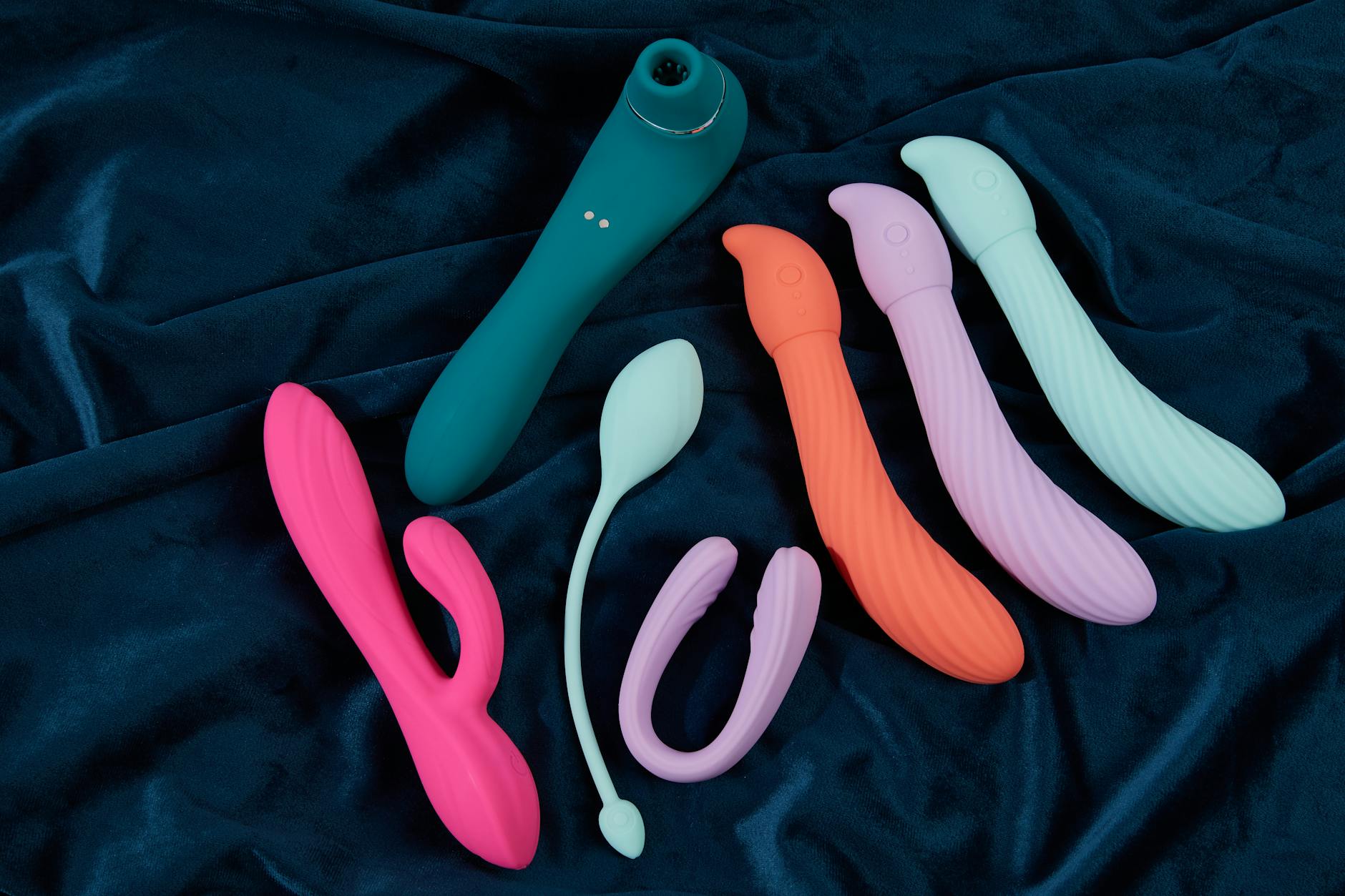
Here's the thing about new partners and toys
New relationship sex lives in this weird tension. You want to be yourself. You also want to seem cool, confident, not too much. Introducing a lemon vibrator can feel like you're asking for permission to be yourself, which, weirdly, often feels riskier than just hiding what you actually like.
But here's what I've seen across years of couples therapy: the partners who introduce their lemon clitoral vibrator early on report less anxiety, better communication, and way more satisfying sex. Not because the vibrator magically fixes things. Because it forces an honest conversation that most couples skip entirely.
The conversation before the bedroom
Timing matters. This isn't a first-date conversation, and it's not something to spring on someone mid-sex. What works is neutral territory, clothes on, not actively aroused. "Hey, I've been using a lemon vibrator for a while. It's something I really like, and I'd love to explore that with you."
Notice what that sentence does: it's direct, it normalizes the toy, and it centers what you want, not what you're unsure about. Don't lead with "Is that okay?" or "Would you be weirded out?" Those questions invite judgment.
What your new partner hears: "This person knows themselves. This person wants to share something real with me."
What they don't hear: desperation, insecurity, or a demand.
If they respond with curiosity ("How do you use it?" or "Can I watch?"), great. That's a green light. If they respond with hesitation, that's information too, and worth exploring. "I'm a little nervous" is different from "No way." Nervous means curious but unsure. Curious people can be brought along.
Why the lemon vibrator specifically works for new dynamics
A lemon vibrator isn't another person. It's not a replacement. It's an amplifier. And for new partners, that distinction is huge.
Partners often worry that introducing a toy means they're not enough. A lemon clitoral vibrator sidesteps that because it doesn't replicate what a partner can do. It intensifies what's already happening between you. The sensation is air-pulse based, not vibration. That means it creates something your partner's fingers or body literally cannot. You're not comparing. You're expanding.
You can also use a lemon vibrator together in ways that keep you connected. Some partners will hold it while you guide the pressure. Others will use it on you during partnered sex. Some couples use it during foreplay as a way to slow down and pay attention. None of those scenarios make the partner feel sidelined.
The first time actually using it
Don't make it a performance. This is actually the anti-performance move.
Start with the lemon vibrator before your partner is involved. Solo exploration first. You want to know what you like, what settings work for you, how long it takes you to come. That knowledge removes a huge layer of pressure. You're not discovering your own pleasure for the first time while someone's watching.
When you bring it into partnered sex, frame it as exploration, not as trying to fix something broken. "I want to show you what gets me there" or "Let's try this together and see what happens" are honest openers.
Start with lower settings. A lot of new users crank it to pattern 5 immediately and then spend the next month thinking the sensation was too intense. The lemon vibrator's power comes from consistent stimulation at the right frequency, not from max power. Patterns 1 through 3 are where most people find their sweet spot.
What to tell your partner about sensation
Explain it without overselling. "It creates a pulling sensation rather than vibration, so it feels really different from fingers or a vibrator you might have tried." That's it. No poetry. No "transcendent pleasure." Just clarity.
Show them what it does (on your hand, so they get it without awkwardness). Let them see the suction action. Normalize it like you'd explain a toothbrush.
Then use it. The doing teaches faster than any description.
Addressing the actual anxieties
If your partner seems resistant, here's what they might actually be worried about, and what helps.
"Will you still want to have sex with me?" This is the real question underneath a lot of hesitation. The answer is direct: "This isn't instead of you. It's in addition to you." Mean it. Follow through. Don't use the lemon vibrator every single time. Build a mix.
"Does this mean you can't come without it?" Not necessarily, and it's worth saying so. A lemon clitoral vibrator makes orgasm more accessible, especially if you've had trouble with sensation or anxiety. That doesn't erase your capacity to come other ways. You can come with fingers alone, with a partner inside you, with the vibrator solo. Having options is confidence, not dependency.
"I don't know if I'll enjoy watching." Then they probably won't at first, and that's fine. Some partners are voyeuristic from the start. Others warm up to it. Some prefer the feeling of you using it during partnered penetration where they're not watching but participating. Flexibility here matters more than assumption.
Building a sexual rhythm as a couple
Once you've done it once, it becomes information in your shared sexual language. You now both know that lemon vibrators exist in your dynamic.
This opens conversation threads that monogamous couples often avoid. "What do you want to try next?" "Do you like when I use it this way or that way?" "How does this feel right now?" These questions are the architecture of good long-term sex.
My clients who introduce toys early in a relationship report higher satisfaction overall, partly because they've already proven they can talk about friction and desire without shame. Once you've said "I want to use my lemon vibrator," saying "I'd like you to touch me here" or "Can we try this position?" feels easy by comparison.
When you want solo pleasure too
Using a lemon vibrator solo is not the same as using it with a partner, and that's important to honor. You deserve time alone with your own pleasure. That time is regenerative. It's also not threatening to a relationship if you protect it.
Some partners feel insecure if you're using a vibrator solo regularly while they're around. Some feel insecure if you're not. Know your partner. If they're the type to feel left out, involve them sometimes. If they respect your autonomy, keep some time to yourself.
But don't give up your solo practice to ease someone else's insecurity. That's the opposite of building confidence.
The longer view
A new partner is an opening. You get to build sex together without years of habit stacked on top. That's rare. Using a lemon vibrator early signals that you're someone who knows what you want and isn't ashamed to ask for it.
That's attractive. That's also a foundation for a relationship where both people feel safe being honest.
The lemon vibrator is just the vehicle. The real intimacy is the conversation.
People also ask
Should I tell a new partner I have a lemon vibrator before we sleep together? You don't need to announce it on a first date. But within the first few sexual encounters, if it's something you want to use, bring it up. Earlier is better than later. The longer you wait, the more it feels like you're hiding something.
What if my new partner says no to toys? That's worth exploring. Is it a hard no, or a nervous no? A hard no might be a compatibility issue worth understanding. A nervous no is usually something you can move through with time and explanation. If someone is truly unwilling to ever engage with toys, you get to decide if that's a dealbreaker. But most people's nos are negotiable.
Can I use a lemon vibrator during partnered sex right away? Yes, if you both want to. Some couples use it during their second or third time together. Others wait a few months. What matters is that you both consent and feel genuinely comfortable. Pressure is the enemy of good sex.
Will using a lemon vibrator make my partner feel like they're not good enough in bed? Only if you let the story get that way in your head, and then project that onto them. A partner who isn't good in bed is a different issue entirely. A lemon clitoral vibrator just adds sensation. It doesn't replace connection, effort, or care. If your partner is attentive and interested in your pleasure, a vibrator will enhance that dynamic, not threaten it.
Is it weird to ask a partner to use the lemon vibrator on me? Not at all. Some people love it. It shifts the experience from solo to shared. It lets them participate in your pleasure. It can actually be a really bonding moment, especially early on.
What if I come faster with the lemon vibrator than I do with my partner? That's common. Orgasm is neurological. The pattern of stimulation matters. A lemon vibrator accesses sensation in a specific way that fingers or bodies might not. This doesn't mean your partner is bad at sex. It means your body responds to that particular frequency. That's information, not a verdict. Use it together so your partner gets to experience that with you, rather than against you.