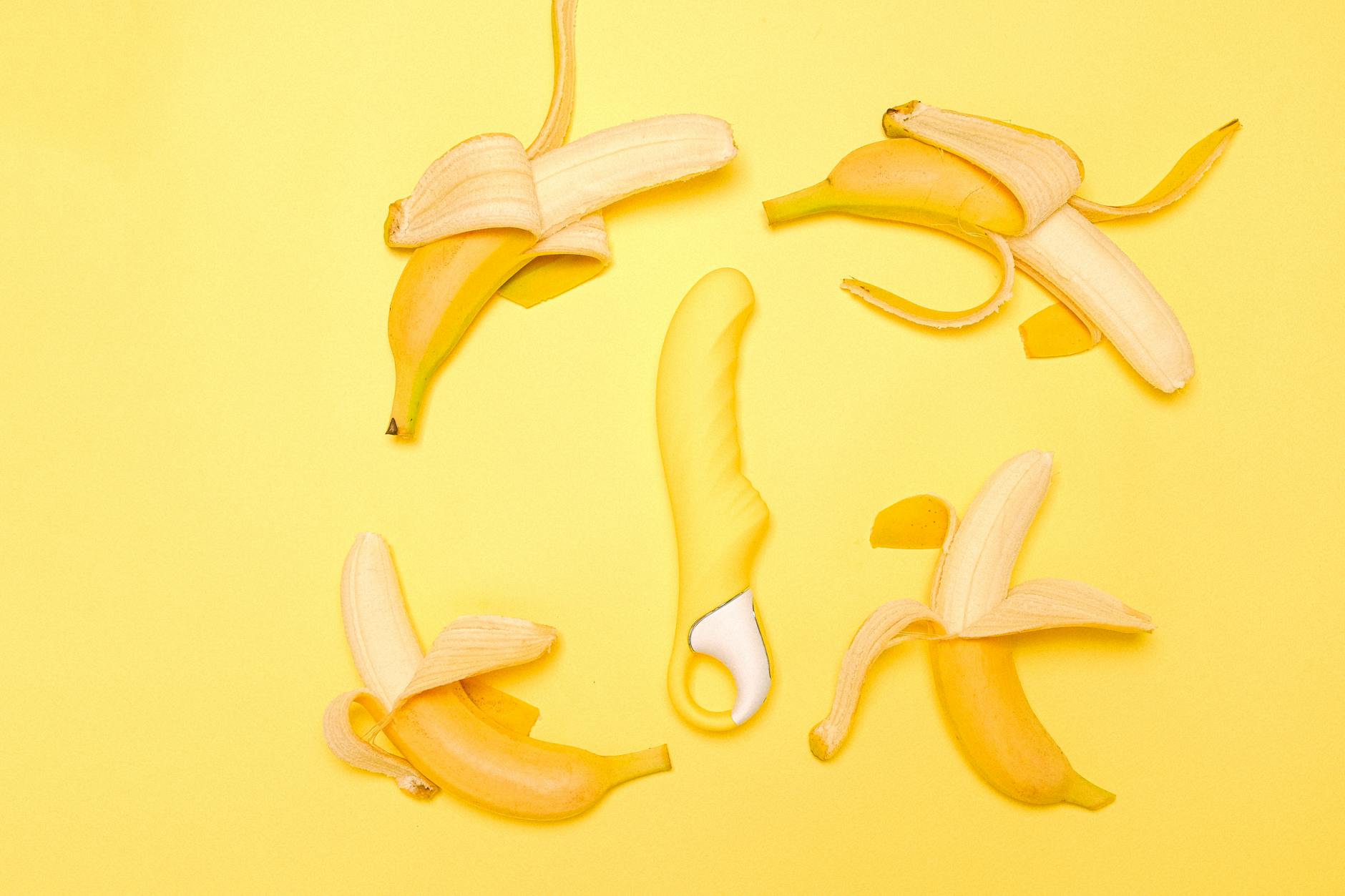
How to Use a Lemon Vibrator When Stress and Burnout Kill Your Libido
Let's be real. When you're running on empty, your body doesn't care that your partner is interested or that you used to love this. Desire evaporates before arousal even gets a chance to show up. Stress doesn't just steal your time. It shuts down the neural pathways that make pleasure feel possible.
Here's the thing nobody tells you: a lemon clitoral vibrator isn't a fix for burnout. But it can be a bridge back to your body when stress has convinced you that pleasure isn't available to you anymore. The key is knowing how to use it in a way that works with your nervous system, not against it.
Why stress kills desire faster than anything else
When you're stressed, your body is in a sympathetic state. Cortisol is high. Your nervous system is geared toward survival, not sensation. Pleasure requires the opposite state. Your parasympathetic nervous system (the rest-and-digest mode) has to be online for arousal to build at all.
This is why traditional advice like "just relax" or "make time for intimacy" falls flat. You can't think your way into desire when your body is chemically primed for threat. And if you have a partner, the pressure to perform or feel something you don't actually feel yet makes it worse.
Burnout also affects the brain regions responsible for motivation and reward. Even when you logically want pleasure, the neurochemical foundation for seeking it is compromised. A lemon sexual toy works because it bypasses some of that cognitive load. You're not waiting for desire to build on its own. You're creating the conditions for physical response, which can then permission emotional response to follow.
Setting up your environment for nervous system reset
This is nonnegotiable when you're burned out. Before you even think about touching yourself, create a space where your body feels safe enough to downshift out of fight-or-flight mode.
Close the door. Silence your phone. Not just mute. Physically put it in another room. Burnout has trained your nervous system to be on alert. Your brain needs evidence that you're not about to be interrupted.
Light matters more than you'd expect. If bright overhead lights feel aggressive (and they often do when you're exhausted), use a lamp or warm, diffuse light. Your parasympathetic nervous system responds to dimness as safety.
Some people benefit from temperature play. A warm blanket or hot bath 20 minutes before can help your body drop into a calmer state. Others need to feel held or grounded. That might mean sitting somewhere you feel supported, or wrapping yourself in something soft.
Temporarily remove the pressure to "do" anything. This isn't about performance or reaching a destination. You're recalibrating your body's relationship with sensation. That requires permission to feel nothing, to stop at any moment, to find 10 minutes of pleasure and call that a win.
Using a lemon vibrator to reconnect, not perform
Start by holding it without turning it on. Seriously. When you're burned out, the nervous system can perceive even gentle vibration as stimulation it has to respond to. That can feel like pressure.
Just feel the weight of it in your hand. The material. The temperature. This is about rekindling the sensation of touch without demand. Spend two to three minutes doing this. If it feels good, that's enough for today.
When you're ready (and only when you feel a tiny spark of readiness, not force), turn it to the lowest setting. A lemon clitoral vibrator typically offers multiple patterns and intensities. Stay on the gentlest pulse. The goal isn't to chase an orgasm. The goal is to feel something that isn't pain, fatigue, or numbness.
Approach your clitoris slowly. No rushing. Burnout has often taught your body that you don't have time. Give your nervous system evidence that you do. Apply the lem vibrator to the area around your clitoris first, not directly on it. This broad stimulation is less intense and often easier to receive when you're depleted.
If you feel nothing, that's okay. It doesn't mean you're broken. It means your nervous system needs more reset time before physical sensation can register as pleasure. Sometimes the first session is about introducing yourself to the tool. The pleasure comes later, with patience.
Managing the pressure around desire itself
One of the cruelest parts of burnout is that you might actually want to want pleasure again. You remember what it felt like. You miss it. But wanting to want something and actually accessing it are two different things.
Let go of both. Using a lemon sexual toy when you're stressed doesn't require you to feel desire beforehand. Your body can generate physical response independent of emotional desire. That response can sometimes wake up the desire that comes after.
If you have a partner, this is important: don't perform pleasure you don't feel. Instead, use the tool solo, in private, when you can focus on sensation without the additional cognitive load of managing someone else's experience. You can share what you learn about your body. You don't have to share the pressure to respond.
Set a timer for 15 minutes maximum. Burnout makes everything feel like it has to be productive. Pleasure when you're exhausted isn't about duration. Short, consistent reconnection to sensation often works better than ambitious sessions you'll skip because they feel like another obligation.
When to add complexity back in
Once you've spent a few days or weeks using the lemon clitoral vibrator solo and feeling even small moments of response (a twinge, a slight tightening, a moment of focus), you can experiment with pattern variation.
Most lemon vibrators offer different pulse rhythms. Stay curious about which ones feel good, but don't make it a project. You're exploring, not optimizing.
If you want to include a partner eventually, the information you've gathered about your body becomes valuable. You now know what intensity feels good, what rhythm holds your attention, what kind of touch you can actually receive. That takes pressure off the partner to guess or perform. It becomes collaborative.
But there's no timeline here. If solo use is what works, that's the right answer for you. Using a lemon vibrator without performance pressure often deepens self-knowledge more than partnered exploration does anyway.
The neuroscience part (why this actually works)
When you use a lemon clitoral vibrator on a chronically stressed body, you're doing a few things at once.
First, you're providing consistent, predictable stimulation. Your nervous system is calmed by patterns. The rhythmic pulse of the lem vibrator is the opposite of the chaotic, unpredictable demands that burned you out. Predictability feels safe.
Second, you're activating the sensory cortex in a way that's localized and pleasant. When your brain is processing a specific, enjoyable sensation, it gets a break from the chronic stress loop. You're not solving your stress. You're temporarily interrupting it.
Third, any pleasure response you experience triggers a small release of dopamine. When you're burned out, dopamine is depleted. You're not using a lemon sexual toy to cure burnout. You're using it to incrementally rebuild the neural pathways that allow you to feel reward.
Timing and frequency when you're depleted
Don't do this every day when you're burned out. That sounds counterintuitive, but your nervous system needs to integrate each small experience. Three times a week is often the sweet spot when you're exhausted.
Time it for when you have the most energy. If you're a morning person, that's when to do it. If you collapse in the evening, save it for then. Using a lemon vibrator when you're already running on fumes can feel like another demand. Timing it for when you have even a tiny bit of capacity makes it feel like permission, not obligation.
If you have work-related or life-related stress triggers, avoid using the tool right after them. Give yourself a buffer. A shower, a walk, a 20-minute break. You want your nervous system beginning to downshift before you ask it to be present with pleasure.
When burnout is deeper than pleasure can reach
If after two weeks of consistent, gentle exploration with a lemon clitoral vibrator you feel completely disconnected from sensation and desire, that's valuable information. It usually means the burnout is severe enough to need more support than solo pleasure work can provide.
Talk to a therapist, especially one who understands stress recovery and embodied practice. Talk to your doctor about whether something like depression is underlying the numbness. A lemon vibrator is a tool for reconnection, not treatment.
But for most people running on chronic stress, the gentle, patient use of a clitoral vibrator becomes a way of telling your body that pleasure is still available. That you deserve sensation. That rest and pleasure are worth protecting, even when everything else feels urgent.
People Also Ask
Can you use a lemon vibrator when you have no desire at all?
Yes. Desire isn't a requirement to experience physical response. You don't need to want it first. Use the vibrator as a way to create the conditions for sensation, and desire often follows once your nervous system realizes pleasure is possible again. Start with the lowest setting and give yourself permission to feel nothing. That's the foundation.
How often should you use a lemon sexual toy when you're stressed and burned out?
Three times a week is often ideal when you're depleted. Your nervous system needs time to integrate each experience. More frequent use can start to feel like pressure. Less frequent use means the benefits of nervous system reset don't accumulate. Find the rhythm that feels like permission, not obligation.
Does using a clitoral vibrator make it harder to feel pleasure without it?
No, but consistent use of any stimulation can desensitize tissue over time if you're always using the same pattern at the same intensity. Vary your approach. Use different settings on the lem vibrator. Take breaks. Solo use is also healthy. The tool is meant to enhance your pleasure range, not become your only option.
What if your partner feels left out when you use a lemon vibrator alone?
That's a separate conversation from pleasure reconnection. Solo use, especially when you're burned out, is about rebuilding your relationship with your own body. You're not excluding your partner from pleasure. You're doing the groundwork so that partnered pleasure is possible later without pressure. Frame it that way. Most partners appreciate the honesty more than they would appreciate you faking pleasure you don't feel.
Can stress-related low libido come back on its own, or does a lemon vibrator help speed it up?
Stress-related low desire can improve with rest alone, but the process is slow. Using a lemon clitoral vibrator creates consistent, small moments of pleasure response that rebuild neural pathways. You're not forcing desire. You're creating the conditions for your nervous system to remember that pleasure exists. Combined with actual stress reduction (sleep, boundaries, therapy), it works much faster.
Is it normal to feel nothing the first few times using a lemon vibrator when burned out?
Completely normal. Burnout numbs sensation. Your body isn't broken. It's protecting itself from overstimulation. Keep the tool nearby, use it consistently at low intensity, and your nervous system will gradually recognize that sensation can be safe and pleasant. Numbness is usually temporary once you start building in rest and reconnection.
When stress has stolen your pleasure, the path back isn't about forcing desire or performance. It's about patient, consistent reconnection to sensation. A lemon clitoral vibrator becomes permission to feel something good again, without pressure. Your pleasure matters. Your body deserves to remember that.
If you're struggling with burnout's impact on your intimate life and want to talk through next steps, reach out. We're here to help you find your way back.