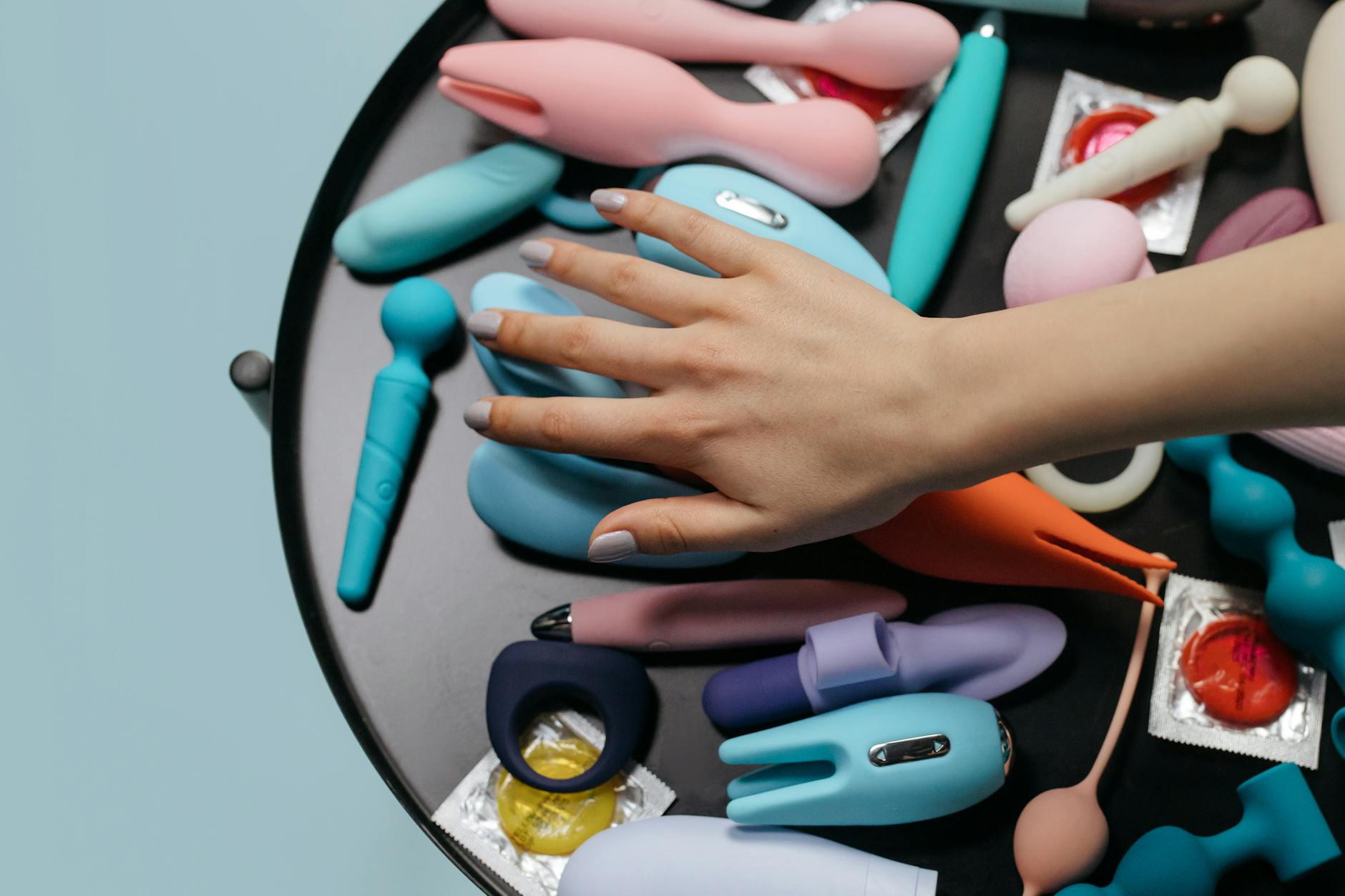
Here's the thing about new relationships and vibrators
You're a few weeks or months in. Things are good. And then you think: I want them to know this part of me. The part that has a lemon vibrator. The part that knows what she likes and isn't afraid to ask for it. But the thought of saying it out loud makes your stomach drop.
Will they feel threatened? Will they think you're asking them to use it on you immediately? Will it weird them out so much they ghost? These are real worries, and they're worth taking seriously. But here's what I've learned from years of working with couples navigating exactly this moment: the conversation is way less risky than the silence that comes before it.
Why introducing a lemon vibrator early matters
Introducing a clitoral vibrator like the lemon sucker early isn't about rushing intimacy. It's about consent and honesty. When you bring your whole self to a new relationship, including your sexual preferences and tools, you're actually testing whether this person can handle who you really are. That's foundational.
The partners worth keeping are the ones who respond with curiosity instead of defensiveness. And you won't know which category someone falls into unless you tell them. The ones who shut down? Better to find out now than to spend six months suppressing this part of yourself.
The conversation to have before anything happens
Don't ambush it during sex. Pick a moment when you're both relaxed, clothed, not in bed. A conversation about pleasure shouldn't feel like a performance review.
Start with your own experience, not the vibrator. Try something like: "I've learned a lot about myself sexually, and I use a vibrator that really works for my body. It's called a lemon vibrator. I want you to know about it because I want you to know me." That's it. You're not asking permission. You're not asking them to use it yet. You're just creating information and space for them to respond.
Let them ask questions. Good questions might be: What does it feel like? How often do you use it? Do you want me to use it on you? Bad responses are avoidance or jokes that feel cutting. If someone can't have a straightforward conversation about your pleasure, that's data.
What to say if they get nervous
Lots of new partners worry they're not enough. If they say something like "Do you need it because I'm not satisfying you?", here's what I recommend: "No. I like my body and I like exploring it. This is about me knowing myself better, not about anything you're missing. And eventually I'd love to include you if you're interested."
Separate the two things. Your vibrator is about your pleasure and your anatomy. Your partner is about connection and what you want together. They're not the same conversation.
When and how to introduce it physically
After the talk, don't jump straight to using it together. Give them time to sit with the idea. A week is fair. Then, when you're intimate, you might say something like: "I'm going to use my lemon vibrator. You don't have to do anything. Just be here with me." That gives them permission to be present without expectation.
The first time using it in front of a partner, solo is actually fine. You're showing them how it feels for you, what your pleasure looks like. That's vulnerable and hot. Many partners find it deeply connecting to watch their person explore themselves.
If they want to participate, let them. They might ask if they can hold it or use it on you. That's generous and worth saying yes to. But make it clear: if this doesn't feel right for you, you can go back to solo. This is ongoing consent, not a one-time decision.

Photo by cottonbro studio on Pexels
The pressure thing: how to keep it real
Here's what kills the vibe. Using a lemon clitoral vibrator with a new partner starts to feel like a performance. Like you're trying to prove you're sexually sophisticated or that you know how to have good sex. That's the opposite of what you want.
If you notice yourself performing, pause. Check in with your actual body. Does this feel good? Are you doing this because you want to or because you think you should? A lemon vibrator is a tool for your pleasure, not a test you're passing for someone else.
Set a boundary if you need one. "I love sharing this with you, but I also need nights where I use it alone." That's not rejecting them. That's actually building healthier intimacy because you're staying connected to your own body, not just your shared one.
Communication patterns that build real connection
After you've used a vibrator together, keep talking about it. Not in a debriefing way, but naturally. "That felt really good." "I liked watching you enjoy that." "Next time I want to try it while you do this." These conversations, repeated over weeks and months, build trust. You're learning each other's bodies and preferences like a language.
If something doesn't feel right, say it immediately. "I'm not ready for that yet" or "That doesn't work for my body." A partner who respects those adjustments in real time is someone worth building with. Someone who gets frustrated or pressures you is showing you who they are.
What happens if they say no
Some new partners will say they're not comfortable with vibrators. That's their boundary. You get to decide if that's a dealbreaker. Some people will come around with time and trust. Some won't. Neither is wrong, but you need to be clear with yourself about what you need.
If vibrators are important to your sexual expression, then a partner who refuses to even consider them probably isn't right for you. If they're a nice addition but not essential, you might wait and revisit later. But don't shrink yourself to fit someone. That's where resentment lives.
Using a lemon vibrator as an intimacy tool, not a Band-Aid
Here's what I see go wrong: people introduce vibrators when the relationship is struggling, hoping it fixes things. It doesn't. A vibrator can deepen connection if the foundation is already solid. If communication is broken or attraction is fading, a lemon sucker isn't going to repair that.
Introduce it when things are good and you want to explore together. Use it as a way to stay curious about each other's bodies. Let it be part of your expanding intimacy, not a replacement for having hard conversations or building actual emotional connection.
The reality check
If you're nervous about introducing a lemon vibrator to a new partner, that nervousness is telling you something true about how you feel about the relationship. Real nervousness means you care what they think. That's okay. But if the nervousness is about whether they'll judge you for having needs and preferences, then you're getting information about whether they're someone you can be yourself with.
The right partner thinks it's hot that you know what you like. They think it's sexy that you have tools and skills for your own pleasure. And they're curious about how they fit into that picture. That's the conversation worth having.
FAQ: Using a lemon vibrator with a new partner
How soon into dating should I bring up vibrators?
After you've had sex a few times and there's baseline comfort and trust. If you're still in the early-dates-only stage, wait. Once you're sleeping together regularly and talking about becoming exclusive, that's the right window. You're signaling that this could be something real.
What if they want to use it on me right away and I'm not ready?
Say no. "I want to use it solo first so I'm comfortable with it." Or: "I'd rather we stick with hands for now." You don't need to explain or apologize. Your comfort level is the rule. If they push back, that's a red flag about how they handle your no's.
Can using a lemon vibrator together damage new relationships?
No. Avoiding the conversation damages relationships. Secrets and unmet needs damage relationships. Honesty and curiosity actually strengthen them. The couples I see thrive are the ones who talk about sex early and often.
What if they seem interested but never bring it up again?
Bring it up again yourself. "I've been thinking about trying the lemon vibrator together. Are you still interested?" You're not being pushy. You're creating another opening. Some people need multiple invitations to feel safe saying yes.
Is it weird to use a lemon clitoral vibrator if my partner is present but not participating?
Not at all. In fact, many couples find this really connecting. You're showing them your body and your pleasure. They're witnessing something intimate. That's trust. And if they're not sure how to participate yet, this is a low-pressure way to get there.
How do I know if a new partner is the right person to introduce my vibrator to?
They listen without judgment. They ask genuine questions. They don't make it weird or turn it into a joke that feels cutting. They respect your body and your boundaries. And when you say something like "I want to explore this," they say yes with genuine interest, not performance energy.
I've learned that introducing a lemon vibrator to a new partner is one of the clearest early tests of compatibility. Not sexual compatibility, but emotional compatibility. Can this person hold space for your pleasure without making it about them? Can they be curious instead of defensive? Can they honor your autonomy even while being intimate? Those are the questions that matter. The vibrator is just the delivery system for figuring it out.
Your pleasure deserves partners who celebrate it. Start with the conversation. The rest follows naturally.