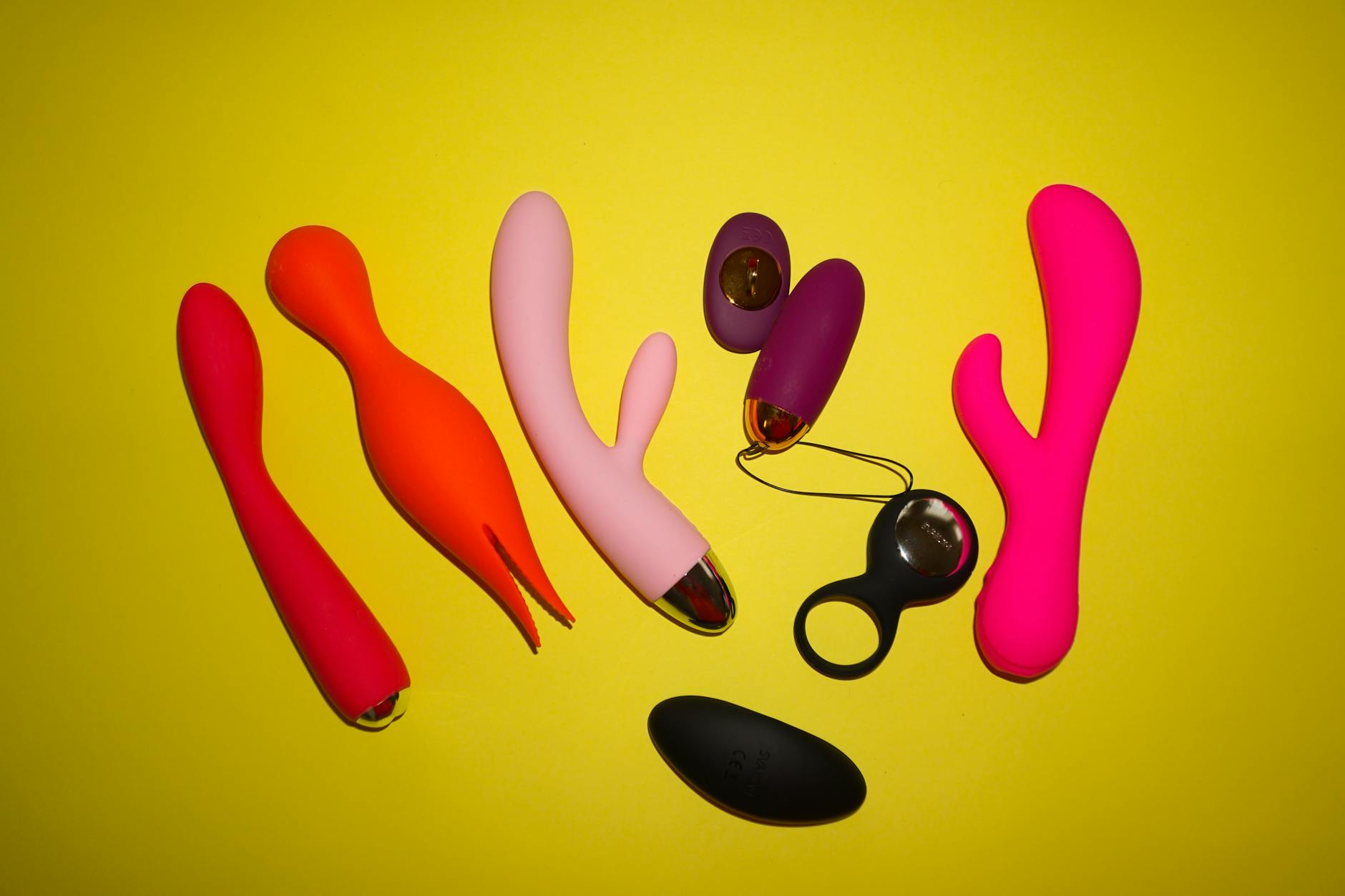
The mismatch nobody talks about
Here's the thing: one of you craves the directness of a lemon vibrator. Your partner wants the warmth and presence of their hands. Both are completely legitimate. Neither person is wrong. And trying to convince them otherwise just creates tension before you even get clothes off.
I've worked with countless couples stuck in this exact spot. The conversation usually goes like this. One partner suggests a toy. The other hears "you're not enough." Then everything gets defensive. But that's not actually what's happening. What's really going on is two different nervous systems looking for different kinds of connection.
The good news: these aren't opposing needs. They're complementary, and a lemon clitoral vibrator can amplify both at once if you approach it the right way.
Why manual touch feels irreplaceable
Your partner isn't being stubborn. They're responding to something real. When someone uses their hands on you, there's feedback loop happening. They feel your responses. They adjust in real time. They can sense tension, dampness, the exact moment you gasp. That continuous conversation is neurologically distinct from a device, and their nervous system knows it.
Manual stimulation also carries intimacy information that vibration alone doesn't. The pressure, the speed, the small variations that come from human touch. It's why hand jobs feel completely different from vibrators. Hand stimulation is about presence and attunement.
So the first rule is this: a lemon vibrator is not a replacement for what their hands do. It's an addition. It's a third hand in the scene, not a substitute.
How to reframe the toy as an enhancer
Instead of positioning the vibrator as an alternative to manual touch, present it as an amplifier. Here's the practical difference:
What doesn't work: "Let's use this instead of your hand."
What does work: "I want your hands on me while this works on my clit. I want both."
That second version isn't just kinder. It's actually more pleasurable for you. Because your partner stimulating your inner walls, your vulva, your thighs, your breasts while a lemon vibrator focuses on your clitoris creates a layered sensation that neither one alone produces. You're not choosing between stimulation types. You're stacking them.
This also keeps your partner active and engaged, which is crucial. If they're holding you, touching you, moving inside you while the vibrator hums against your clit, they're still the primary agent of pleasure. The toy is just raising the intensity.
Practical positions that keep hands central
The position matters more than you'd think. Some setups naturally keep hands engaged. Others make the vibrator feel like the main event.
You on top, facing them. They can use their hands on your breasts, your back, your inner thighs. You hold a lemon vibrator against yourself or they help position it. Their hands are constantly moving and exploring. The vibrator is one element, not the focal point.
Lying on your side, facing each other. One of their hands can work inside you or massage your inner thighs. The other hand can hold a clitoral vibrator or guide yours. There's room for constant hand contact and eye contact. This position is wildly underrated for couples because it's intimate and manual at once.
Spooning. This is the gold standard for integrating a vibrator into hand-centered pleasure. Your partner is behind you. Their hands roam your body freely. You hold the vibrator yourself, or they do. You're in constant contact. Nothing feels replaced. It's just enhanced.
Avoid positions where the vibrator becomes the only point of contact. Lying flat on your back with them watching the vibrator work isn't the same. You feel distant. They feel like an audience. That's not integration. That's substitution.
The rhythm conversation
Here's where most couples fumble: vibrators and hands operate on different frequencies.
A lemon vibrator produces consistent, rapid vibration. Hands naturally work in rhythms. Thrusts. Patterns. Pauses. When you're combining the two, the consistency of the vibrator can actually work against hand rhythm instead of with it.
Talk about timing. Does your partner want to thrust in rhythm with the vibrator? Or do you want them to move independently while the vibrator stays constant? Some people prefer the vibrator to stay on a steady setting while their partner moves. Others like both rhythms to sync up.
There's no right answer here. But deciding this before clothes come off prevents mid-scene negotiation, which kills momentum.
One useful setup: set the vibrator to a pattern that feels good on its own, then let your partner's hands work around it. Their touch is the variable. The vibrator is the steady pulse underneath. This gives you the best of both nervous systems at once.
Dealing with performance anxiety in this setup
Listen, I see this constantly in my practice. When a partner watches a vibrator work on you, some people feel a flash of inadequacy. "She needs this because my hands aren't enough." That's him telling himself a story that isn't true.
If this comes up with your partner, name it directly. "I want the vibration and your hands because they're different sensations, not better or worse. I want both. I want you." Specificity matters. Say which parts of their touch you love. Say which sensations only their hands create. Remind them that you're not comparing. You're adding.
For some couples, it helps to have the non-vibrator partner initiate the toy. If they're the one suggesting it and positioning it, it signals that they want this, that it's collaborative, not a comment on their adequacy. Control matters to the nervous system.
Setting a pace that keeps him engaged
One pattern I see: a partner starts using a lemon vibrator solo and quickly becomes reliant on it because the sensation is so efficient. Then integrating another person's touch feels slow by comparison. Stimulation expectancy shifts.
If you're starting with a vibrator in couples' play, set an intention around pace. Maybe you use it for 5 minutes, then shift to manual only. Maybe you use it intermittently, not continuously. Maybe you save it for the final push toward orgasm, so most of the scene is hand-focused.
Timing the vibrator matters as much as position. If it's the opening act, you're setting an expectation of intensity that's hard to shift back down from. If it's the bridge or the climax, it feels like a natural enhancement instead of the main event.
Communication that doesn't kill the mood
You don't need a 20-minute conversation before sex. But you do need five minutes of actual words beforehand. Here's a template that works:
"I want to try using my lemon vibrator while you're touching me. I want your hands all over me while it's working on my clit. Does that sound good? Where do you want your hands to go?"
That's it. You've named the tool, clarified it's an addition not a replacement, and invited his input on execution. Most partners who initially resist toys relax when they realize they're still the primary touch in the scene.
During sex, keep it simpler: "Harder," "Slower," "Keep your hands there," "I want you inside me." Direct cues that remind him he's essential.
Why some partners warm up faster than others
There's often an age and attachment component here. Partners over 45 sometimes carry more resistance because toy integration wasn't part of their sexual script when they were younger. It feels like a referendum on their adequacy in a way it doesn't for someone at 28.
This isn't stupidity. It's neurobiology meeting cultural narrative. After 25 years of being told your hands are enough, being asked to integrate a vibrator can feel like a recalibration of your entire sexual identity.
Give that some grace. Suggest trying a lemon vibrator once without pressure. Frame it as curiosity, not necessity. Sometimes people need to experience the actual sensation before the idea makes sense. Fantasy resistance is stronger than somatic evidence.
When this becomes a real incompatibility
Listen, I want to be real with you. Sometimes one partner is actually not interested in adding tools, and that's a genuine preference, not a hurdle to overcome. You can't negotiate someone into wanting something.
If your partner continues to resist after you've tried the approaches above, you have three choices. Accept that penetrative or partnered play stays vibrator-free. Explore solo pleasure with a lemon vibrator and accept that as a separate part of your sexuality. Or acknowledge that you want something they don't, and that's a real incompatibility worth examining.
None of those choices is bad. But you need to make one consciously instead of just dropping the vibrator because someone made you feel guilty for wanting it.
FAQ
Can I use a vibrator and still have my partner feel essential?
Absolutely. Position matters most. Spooning or side-by-side facing each other keeps hands active and central. Set the vibrator to a steady pattern and let your partner's hands work around it. This creates a rhythm you create together, not vibrator solo.
What if my partner feels threatened by the toy?
Talk about it outside the bedroom first. Name specifically what you love about their touch, which sensations only hands create, and why you want to add vibration rather than replace touch. Reframe it as "I want both" not "I want yours more." Let them initiate the toy sometimes. Control matters.
Does using a vibrator together improve our connection?
It can. Toys become bonding when they're introduced collaboratively, when both people feel invested in the sensation, and when the toy enhances rather than replaces intimacy. Solo toy use or toy use that makes your partner feel sidelined can create distance instead.
How do I know if my partner will ever warm up to this?
Most people who initially resist lemon vibrators warm up after one positive experience. After that, it usually becomes a natural part of the rotation. If your partner tries it once or twice and absolutely hates it, that's different from someone who's never tried it. One is genuine preference. The other is often just fear.
Should I hide my vibrator use from my partner?
Not long-term. Secrecy breeds resentment. If you're using a toy solo and hiding it, your partner usually senses that something's off. Honesty about solo pleasure is different from pressuring them to participate. You can use a lemon vibrator privately and still have a conversation with your partner about it as part of your sexuality.
What if I want vibration but my partner only wants manual sex?
You're not obligated to choose. Solo vibrator sessions are completely valid. You can also try the integration approaches in this post. But if your partner truly prefers manual-only play, that's information too. You might need to satisfy vibrator desire solo and manual desire with your partner. Some people do both.
The real integration
A lemon vibrator doesn't have to feel like a threat to manual pleasure. When you position it as an addition rather than a replacement, when you choose positions that keep hands central, and when you communicate that both sensations matter to you, most partners relax into it. Their nervous system feels less replaced. Yours gets the sensations you're craving. Everyone wins.
The key is framing this as teamwork, not competition. You're not choosing between vibration and hands. You're combining them. That's a bigger pleasure statement than either alone.