Let's talk about what actually happens to pleasure when your relationship shifts
Midlife is when a lot of couples' sexual lives go sideways. Kids are older, careers are consuming, one person wants more while the other wants less, someone's had health struggles, or the emotional intimacy just... flatlined. Here's what I see in my practice: the person with a vulva stops reaching for pleasure entirely. Not because the body stopped working. Because the relationship landscape changed and nobody knows how to navigate it.
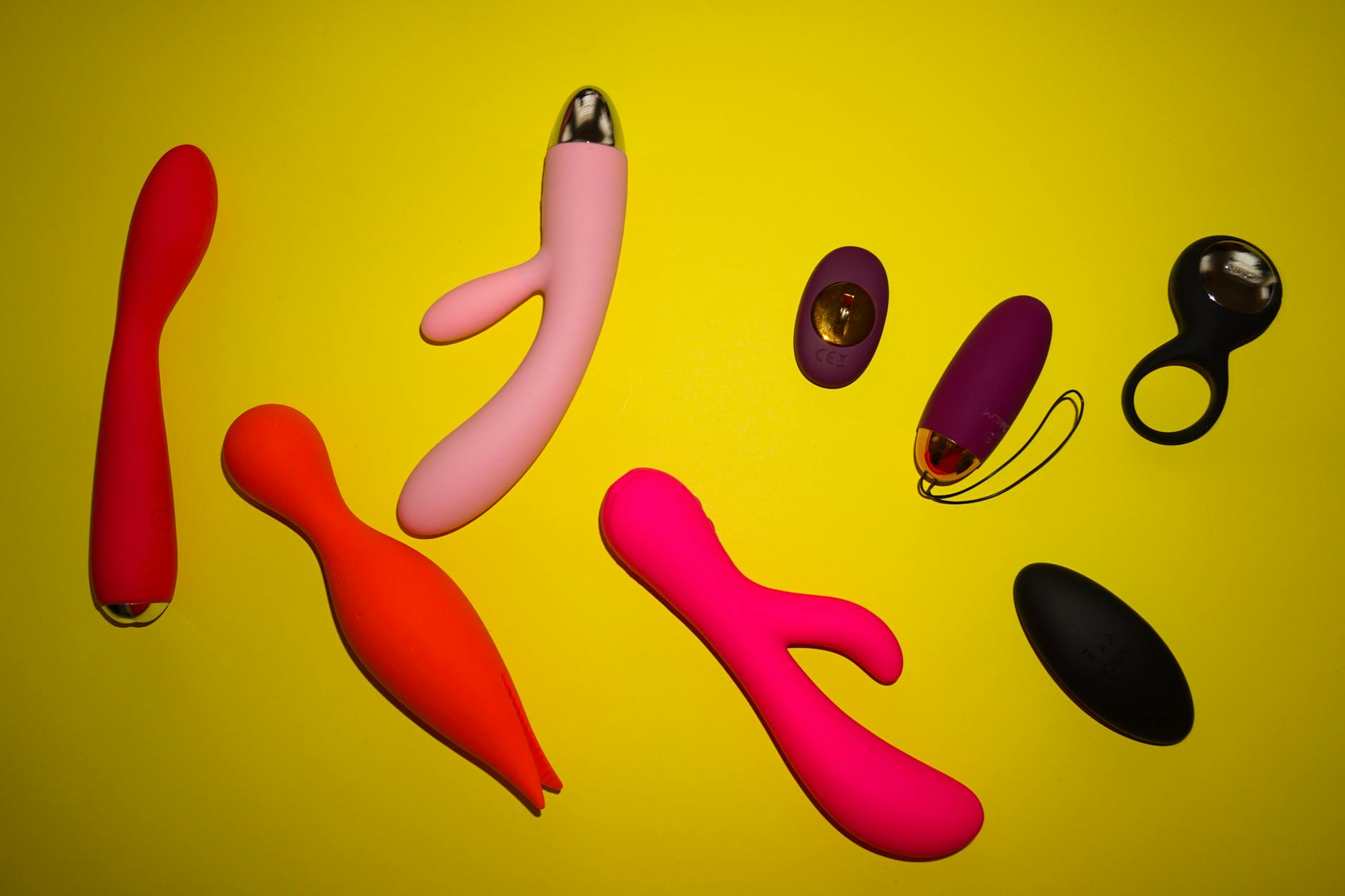
Lemon vibrators, specifically air-suction clitoral vibrators like the Lem, become surprisingly useful in this exact moment. Not as a band-aid. As a conversation starter, a solo reconnection tool, and a way to rebuild your own sense of agency before trying to rebuild together.
Why midlife relationships trigger a pleasure shutdown
The research on this is pretty clear. When emotional distance grows between partners, desire typically evaporates first. This isn't random. It's actually your nervous system making a logical decision: if vulnerability feels risky, pleasure feels even riskier. Pleasure requires letting go. Letting go requires trust. If trust has eroded, your body locks down.
Add to that the fact that midlife often brings physical changes. Hormonal shifts, medications, pelvic floor tension from years of bracing against stress. The body that used to respond on autopilot now needs deliberate attention. And that feels like work when the relationship feels like work.
Here's the truth nobody tells you: rebuilding desire doesn't start with your partner. It starts with you.
Phase one: Reconnect with your own pleasure, solo
Before you bring this into the relationship conversation, you need to remember what pleasure feels like on your own terms. This isn't selfish. This is foundational.
Start with low stakes. Spend time with a lemon vibrator when your partner isn't around, when you're not trying to achieve anything, and when you have at least twenty minutes with zero pressure. The air-suction technology in lemon clitoral vibrators works differently than traditional vibration. It feels gentler initially and allows for a much slower buildup. If your nervous system has been locked down, that slower ramp matters.
Begin at pattern one or two. Let yourself explore what feels good without any goal. Notice what sensations your body actually wants right now, in this phase of your life. You might discover your preferences have shifted. Maybe you want more sustained pressure instead of rapid patterns. Maybe you want a different rhythm than you used to. That information is gold when you eventually reconnect with your partner.
Keep a soft mental note of what works. Not clinical notes like a lab report. Just: this pattern makes me feel alive. This tempo lets me stay present. This feels like me, right now, at forty-something.
Phase two: Separate the pleasure conversation from the relationship conversation
This is where most couples get tangled. They try to solve the intimacy crisis and the pleasure crisis simultaneously and end up solving neither.
They're actually two different problems. "My body has stopped responding" is separate from "I don't feel connected to you." Conflating them turns both into dead ends.
When you're ready to bring this into dialogue with your partner, name the separation directly. Something like: "I've noticed my pleasure has basically disappeared, and I don't think that's entirely about us. I think it's partly about me losing touch with my own body. I want to work on that solo first, and I wanted you to know that's what I'm doing."
Notice what that does. It removes shame from the room. It frames this as a shared problem you're both invested in solving, not a failure either of you caused. It also sets a boundary: you're not asking your partner to fix your pleasure. That's your job.
Phase three: Use lemon clitoral vibrators as a bridge, not a replacement
Once you've spent time reconnecting solo, you can introduce a lemon vibrator into partnered time if that feels right. This is where a lot of couples get nervous. Will they feel replaced. Will it feel like a performance.
The answer depends entirely on how you frame it. If you bring it in as a tool you've discovered helps you feel more present and more pleasure, and you invite them to be part of that experience, it shifts the whole dynamic. You're not saying "I need this instead of you." You're saying "I discovered something that helps me feel alive, and I want to share that with you."
Start small. Maybe they hold the lemon vibrator while you guide it. Maybe they use it on you while you direct the pace and pattern. Maybe you use it while they're inside you or touching you elsewhere. The combinations are endless. The point is: you're both collaborating on your pleasure, not treating the vibrator as a competitor.
This is also where the specific design of lemon sexual toys matters. Air-suction clitoral vibrators have a learning curve that's actually useful here. Because you have to go slow and experiment to find the right patterns and pressure, it naturally forces communication. "Try pattern three." "A little lighter." "Can we stay here for a moment?" That back and forth is rebuilding connection.
Phase four: Have the actual intimacy conversation while you're doing this
Honestly, some of the best relationship repair happens when you're not making intense eye contact across the dinner table trying to have a serious talk. It happens when you're both focused on something else and the words come easier.
While you're using a lemon vibrator together, the conversation naturally shifts. You stop performing. You stop worrying about how you look. You're just present with sensation and each other. That's when people tell me they finally say things like: "I've missed feeling wanted." Or "I don't know how to ask for this." Or "I've been scared you wouldn't want me."
Those conversations are the real work. The lemon clitoral vibrator is just the permission structure.
When to bring in additional support
If pain shows up during any of this, stop. Pelvic floor tension is real in midlife transitions, and it's highly treatable. A pelvic floor physical therapist can change the game in weeks.
If one partner is resistant to the entire concept of pleasure reconnection, that's a signal that something deeper is happening emotionally. Sometimes couples therapy is the actual tool you need, not a sex toy. A good therapist can help you both understand what's driving the resistance.
If desire still hasn't budged after you've done the solo work and the conversations, check in with your doctor. Medications, thyroid issues, and hormonal shifts can absolutely suppress desire, and those are solvable problems.
The long view
Midlife isn't when your sexual life ends. It's often when you finally get to build one that's actually about what you want instead of what you thought you were supposed to want. Using lemon vibrators during this transition isn't about fixing your relationship. It's about building the foundation that a healthier relationship sits on: your own sense of aliveness, communication skills, and permission to prioritize pleasure. Everything else follows from that.
People also ask
How do I bring up using a lemon vibrator if my partner has never supported toy use before?
Start with curiosity instead of convincing. "I read that air-suction vibrators work differently than I expected. I'm curious to try one solo first, and I wanted you to know that's what I'm doing." You're not asking permission or proposing a partnership immediately. You're just naming the plan. Often, once your partner sees you feeling more alive and more present, they become curious on their own.
Can lemon clitoral vibrators actually help rebuild emotional intimacy or is that just wishful thinking?
They can't rebuild intimacy on their own. But they create the conditions for it. When you're more present in your body and more comfortable communicating about sensation, you're naturally more able to communicate about everything else. The vibrator is the vehicle. The actual intimacy work is the conversation that happens around it.
What if my partner wants to use the lemon vibrator during sex but I'm not ready for that yet?
That's completely fair. Say it clearly. "I want to explore this solo for a bit longer before we bring it into partnered time." You're not rejecting your partner. You're protecting your own reconnection process. A partner worth keeping will respect that boundary.
How long does it usually take to feel reconnected to pleasure after a midlife relationship shift?
It's different for everyone, but I typically see real shifts in four to eight weeks of consistent solo exploration. For couples, the timeline depends on how much emotional repair is needed. Sometimes the pleasure reconnection happens faster than the relationship repair. Sometimes they move in parallel. Trust the process over the timeline.
Should I use a lemon vibrator before talking to my partner about how disconnected we've become?
Yes, usually. You need to reconnect with your own body first so you're not making decisions from a place of complete disconnection and desperation. You also get clearer on what you actually want instead of what you think you should want. That clarity makes the conversation with your partner much more productive.
Is it normal to feel guilty about using a lemon vibrator when my relationship is struggling?
Completely normal and completely understandable. But here's the reframe: you're not abandoning your relationship by prioritizing your own pleasure. You're building the capacity to show up more fully in it. Guilt is just old messaging that says your needs don't matter. They do.