The thing nobody warns you about
Your antidepressant is working. Your mood is stable, your anxiety dropped, you're sleeping better. And your orgasms feel like they're happening behind frosted glass.
This is one of the most common side effects of SSRIs, but it's also one of the least discussed. Between 40 and 60 percent of people on selective serotonin reuptake inhibitors experience some form of sexual dysfunction, from delayed orgasm to complete numbness to diminished desire. Most people don't talk about it, so they assume they're broken or that the trade-off is just permanent.
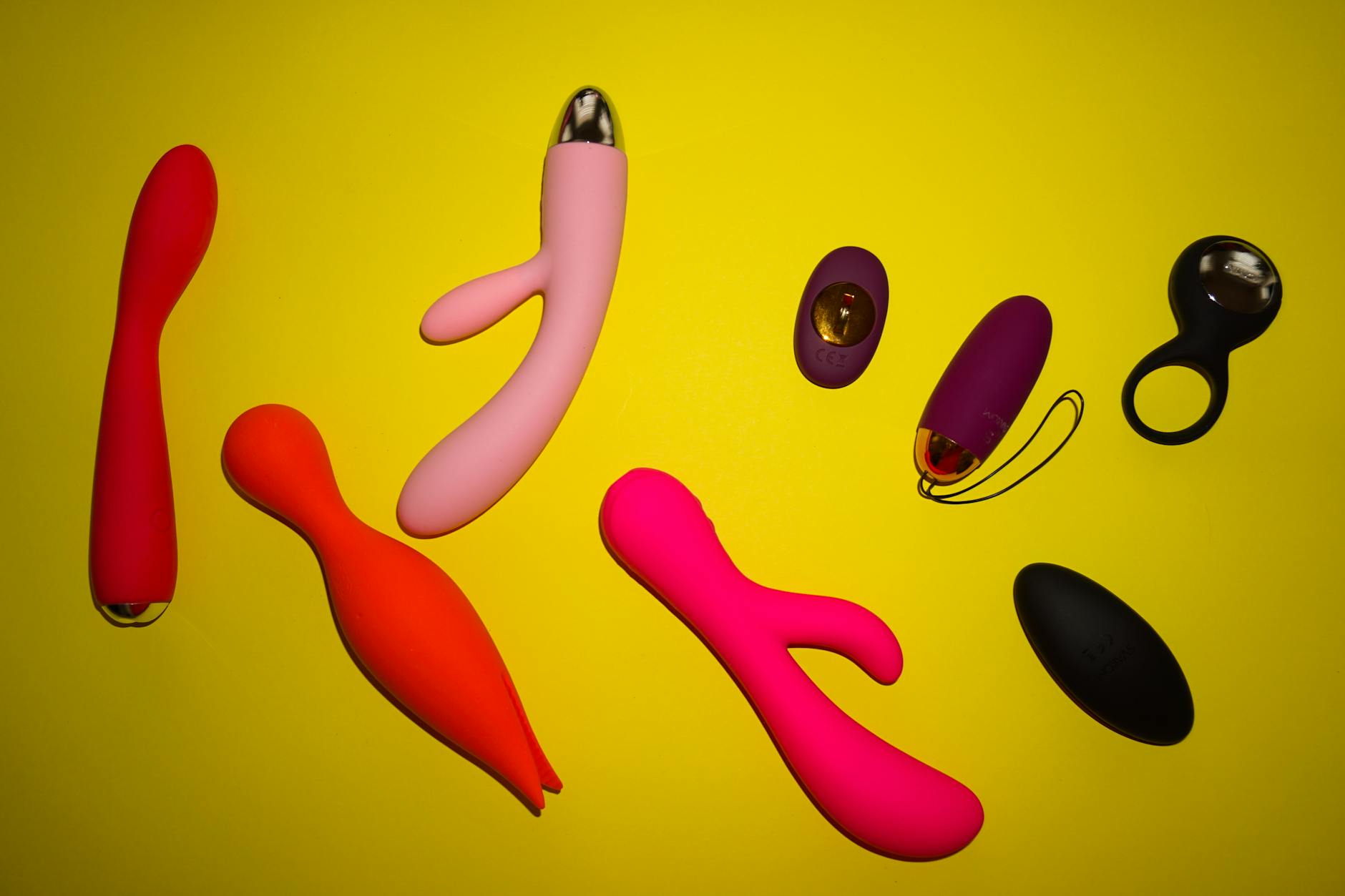
It isn't. And if you're looking for a practical solution that actually works, a lemon vibrator might be the answer you've been looking for.
Why SSRIs affect pleasure in the first place
Here's the mechanism: SSRIs increase serotonin availability in your brain, which is fantastic for mood regulation. But serotonin also suppresses dopamine in certain neural pathways and affects the local blood flow to genital tissue. Less blood flow plus altered dopamine signaling equals delayed or absent orgasm, reduced genital sensitivity, and sometimes a genuine flatness in desire.
It's not psychological. It's not in your head. Your nervous system has literally been recalibrated by the medication, and that recalibration is actually doing its job. The problem is that job wasn't designed with pleasure in mind.
The irony is sharp: SSRIs work by slowing down your brain's ability to process stimulation quickly. That's exactly what stops the anxiety spiral. It's also exactly what stops the pleasure response.
What doesn't work (and why you've probably tried it)
Waiting for your body to adjust rarely helps. Most people see this effect persist or even worsen over months. Switching medications sometimes helps, but changing to a different SSRI is a crapshoot, and you might trade one side effect for another.
More foreplay doesn't automatically fix it. Neither does talking about it more with your partner, though that conversation is important for different reasons. The issue isn't mental resistance or lack of stimulation. Your body is receiving a signal at the neurological level that makes sensation harder to register.
How a lemon vibrator changes the equation
A lemon clitoral vibrator works differently than your body's natural response mechanism. Instead of relying on the dopamine and blood-flow pathways that SSRIs have muted, a vibrator like the Lem uses external mechanical stimulation to bypass some of those dampened signals.
Think of it this way: your nervous system is turned down to 40 percent volume. A vibrator isn't trying to turn up the original signal. It's creating a completely different, more intense signal that your system has to pay attention to, regardless of the medication.
There's also a psychological shift. When your body isn't cooperating, reaching for a tool feels less like you're waiting for something to happen to you and more like you're actively doing something about it. That agency alone changes how many people experience pleasure.
The specific settings that help most
If you're starting with a lemon vibrator while on SSRIs, pattern and intensity matter more than usual. Most people in this situation find that lower frequencies feel pointless because your dulled sensitivity makes them almost invisible. You need stronger stimulation to register.
Start with the mid-range patterns on your device. If you're using the Lem, patterns 4 through 7 tend to work better than the lighter patterns 1 through 3. The pulse patterns often work better than straight vibration because the rhythmic on-off sensation is easier for a dampened nervous system to register.
Intensity should be higher than you might expect. Crank it to 60 to 80 percent from the start. You're not going for subtle. Subtlety is wasted on a muted nervous system.
The goal here is not gentleness. It's sensation you can actually feel.
Lubrication and timing matter differently
Water-based lubricant is still essential, but the reason shifts slightly when you're on SSRIs. You need it partly because a lemon clitoral vibrator works best with a thin glide, but also because friction alone won't give you enough sensation. The combination of vibration plus smooth lubricated glide creates more total stimulation than either alone.
Timing is also different. Many people on SSRIs find that their bodies need 20 to 30 minutes of continuous stimulation before anything registers. Don't stop after five minutes. Give yourself 20 to 25 before you decide it isn't working. Your nervous system is slower to activate, and that's okay.
Building up over multiple sessions also helps in ways that don't apply to people not on SSRIs. Your body can learn to respond better after repeated exposure to the same stimulus. If you use your lemon vibrator three or four times a week, you'll likely notice increasing sensitivity week by week.
When to talk to your prescriber
If the sexual side effects are severe enough to harm your quality of life, mention it to the doctor who prescribed the SSRI. You have options that people don't always know about.
Some prescribers will recommend timing your dose differently. If you take your SSRI at night, taking it right after sex might reduce the effect on that window. Some will add a second medication like bupropion or buspirone to counter the sexual side effects. Some will suggest switching to an SSRI that has a slightly lower sexual side effect profile, like sertraline or escitalopram.
None of these conversations are easy. But they're also not rare. Your doctor has had this conversation many times. It's worth having it.
The relationship piece
If you have a partner, they need to understand that this isn't about them or about attraction. The pharmaceutical dulling of sensation can trigger insecurity in both people. Partners sometimes internalize it as "they don't want me anymore," and the person on the medication feels broken and defensive.
Using a lemon vibrator in partnered sex can actually ease this dynamic. It shifts the frame from "your body isn't responding" to "we're using a tool together." That reframe matters psychologically and practically.
If your partner is involved, you might want to explore how to use a lemon vibrator with them without awkward tension, which can help you both feel more connected during this adjustment.
Building back to sensation
One thing I've seen with clients is that once people get some sensation back through using a lemon vibrator, their confidence returns. That confidence sometimes translates to better communication with partners, a willingness to keep experimenting, and even subtle improvements in spontaneous response outside of tool-assisted situations.
It's not a cure. SSRIs still flatten sensation for most people who take them. But a lemon clitoral vibrator can make that flatness manageable and can reclaim pleasure in a way that's actually fun, not frustrating.
Your antidepressant is worth staying on if it works for your mental health. Your sexuality is also worth protecting. These two things don't have to be in opposition.
Frequently asked questions
Can I use a lemon vibrator if I'm nervous about SSRIs making it worse?
Not every SSRI affects everyone equally, so some people experience minimal sexual side effects. If you're on medication and experiencing dampened sensation, a lemon vibrator can only help, not hurt. It's a tool for amplifying sensation, not for creating it. If you're not yet on medication, bring this concern to your prescriber and ask specifically about sexual side effect profiles.
How long does it take to feel normal again after switching off SSRIs?
If you stop taking an SSRI, sexual side effects can take weeks to fully resolve, depending on how long you were on the medication and which SSRI it was. This is another reason to talk to your doctor rather than just stopping. That said, you don't need to wait for full recovery to start using a lemon vibrator. It works regardless of where you are in that timeline.
Will a lemon vibrator stop working if I use it too much?
Some people worry about desensitization, but the research suggests that external vibration doesn't cause lasting desensitization the way that, say, constant numbing can. That said, if you notice sensation diminishing over weeks, try taking a break for a few days, then returning with a different pattern or lower intensity. Varying your approach prevents the nervous system from tuning out.
Do lemon sexual toys work better than other vibrators for this situation?
Lemon clitoral vibrators and other air-suction toys work well for this because they create strong, distinctive sensation through a different mechanism than traditional vibration. If you're starting from a place of dampened sensation, that distinctive quality can feel more noticeable. That said, any strong external vibrator can help. It's less about the brand and more about using sufficient intensity.
Is there an optimal dose or timing for using a lemon vibrator with SSRIs?
There's no formal clinical guidance here because it's underresearched. What I recommend based on what works for clients: use your lemon vibrator at least three times a week for best results. Give yourself 20 to 25 minutes per session. Use intensity levels around 60 to 80 percent. Vary the patterns week to week to keep your nervous system engaged and learning.
If I'm on a non-SSRI antidepressant, should I approach this differently?
Bupropion and some other non-SSRI antidepressants actually have lower sexual side effect rates. If you're on one of those and experiencing dulled sensation, you might be dealing with something separate from the medication (stress, relationship issues, other medical factors). A lemon vibrator still helps, but it's worth exploring other causes too. Have a conversation with your doctor about whether the medication is the culprit.
What comes next
Your mental health matters. Your pleasure also matters. You don't have to choose between them, and you don't have to resign yourself to permanent sexual numbness just because your SSRI is working for your mood.
A lemon vibrator is a practical, evidence-informed tool for managing one of the most frustrating side effects of psychiatric medication. It's not the only answer, but for many people, it's the most immediate and effective one.
If you want to explore how to integrate this into your life or your relationship, reach out. You're not alone in this, and you're not broken.