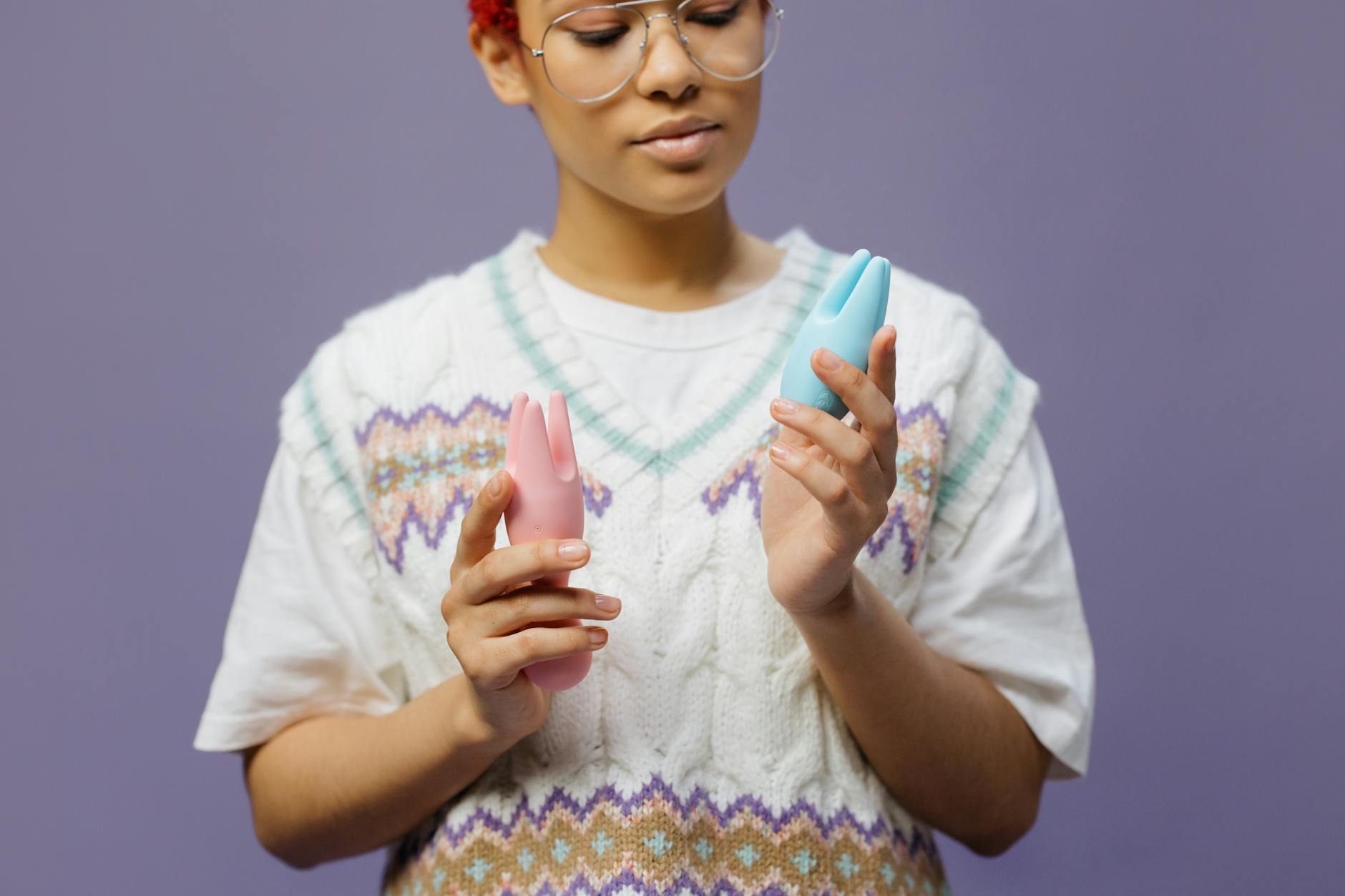
Let's talk about the elephant in the room
Honestly, a lemon clitoral vibrator feels nothing like partnered sex. And that's not a failure of your partner or a sign something's wrong with you. It's physics.
One is a precisely engineered device delivering consistent air suction and rhythm. The other is another human body with fatigue, variation, and attention that shifts. Both are valuable. Neither is a replacement for the other. But they're not interchangeable either, and pretending they are just makes everyone confused and a little resentful.
Why the sensations are genuinely different
When your partner uses their mouth, fingers, or body during sex, they're working with natural range of motion, fatigue, and the need to balance multiple sensations. That's beautiful. It's also inherently variable. They get tired. Their rhythm changes. Their pressure fluctuates based on what their own body needs.
A lemon clitoral vibrator, particularly one using air suction technology, does something different entirely. It delivers:
Consistent pressure that never wavers. The device maintains the exact same suction intensity and pulse pattern for as long as the battery lasts. Your partner's hand, mouth, or body can't do that indefinitely without fatigue affecting quality.
Direct, focused stimulation without the diffusion that happens with a partner's body. Air suction creates a seal and targets the entire clitoral complex including the internal bulbs that aren't always easily accessible through partnered touch alone.
Repetitive rhythm that builds arousal in a predictable way. When you know the pattern won't suddenly shift, your nervous system can relax into it. That's neurologically different from the slight unpredictability of another person's touch, even a partner you know well.
Hands-free operation that lets you control arousal independently. You're not coordinating with someone else's timing, fatigue, or attention. You're driving the pleasure entirely.
These differences aren't advantages or disadvantages. They're just different, the way a massage feels completely different from dancing, even though both are about touch and bodies moving.
What partnered sex gives you that a toy can't
This is the part people skip over when they're anxious about toys "replacing" intimacy.
Partnered sex gives you presence. Your partner's actual attention on your body, your responses, your pleasure. That neurological input of being witnessed is its own kind of stimulation that a device can't provide.
It gives you reciprocity. The ability to read your partner's arousal, respond to it, and have them respond back. That call-and-response rhythm is built into human connection in ways that solitary pleasure can't replicate.
It gives you vulnerability. The particular kind of nervous system activation that comes from being seen in pleasure by someone else. That's not better or worse than solo pleasure, but it's neurologically distinct.
It also gives you the messiness of real bodies. Connection happens in the variation and imperfection. The way your partner's breath catches. The particular shape of their hands. The fact that sometimes they fumble and you both laugh.
A lemon sucker toy can't give you any of that. And that's completely fine because partnered sex can't reliably give you the sustained, unwavering clitoral stimulation that air suction can deliver either.
The research on pleasure integration
Here's what actually happens when couples introduce toys into partnered sex: most studies show increased sexual satisfaction, not decreased. Why? Because the pressure to make partnered touch do everything goes away.
When you stop expecting your partner's mouth to deliver the exact intensity and duration of direct clitoral stimulation that your body actually needs, something shifts. Partnered touch can now be about connection, presence, and foreplay rather than carrying the entire load of your pleasure.
Meanwhile, a clitoral vibrator handles what it's genuinely good at. Precision. Consistency. Duration. That's not selfish or cold. That's smart partnership.
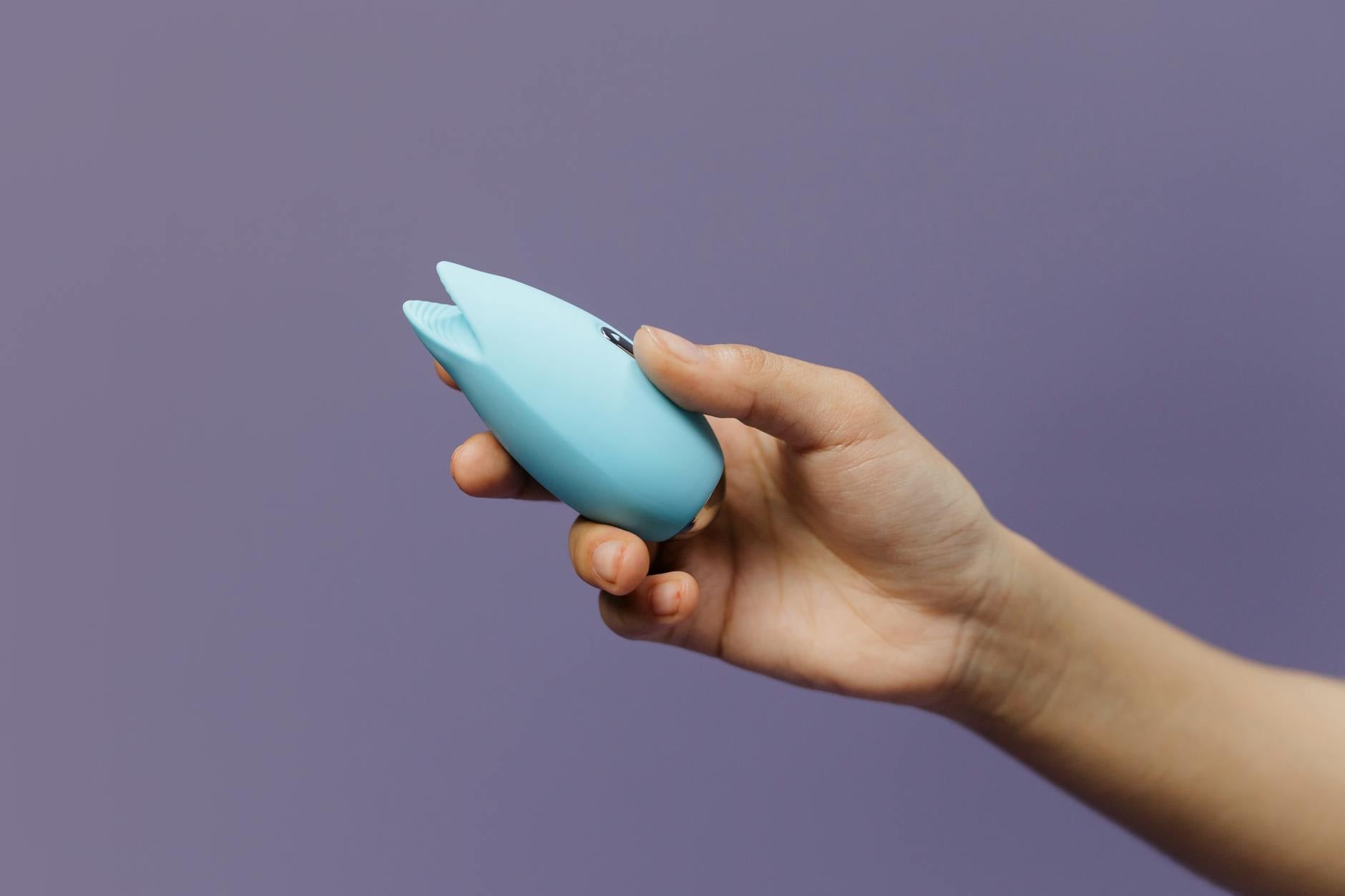
Photo by cottonbro studio on Pexels
How to actually integrate toys into partnered sex
If you're both interested, here are the mechanics that actually work.
Start with toys in foreplay, not as the main event. Use a lemon clitoral vibrator for 10-15 minutes before partnered penetration or other sex. Your clitoris is already primed, aroused, and sensitized. Your partner can then focus on being present and responsive rather than trying to hit a specific arousal target.
Use toys during partnered sex if penetration alone isn't getting you there. This isn't a sign of incompatibility. It's information that your body needs direct clitoral stimulation alongside whatever else is happening. A lot of partnered sex doesn't deliver enough clitoral contact to produce orgasm for people with vulvas. Adding a vibrator solves that.
Let your partner hold the toy sometimes. This splits the difference between the precision of a device and the presence of another person. They're still involved, still attuned, but the tool is doing the consistent work while they do the witnessing.
Create separate pleasure time. You don't need to integrate toys into every encounter. Sometimes partnered sex is partnered sex. Sometimes you use a lemon clitoral vibrator alone and that's its own complete thing. Both exist. Both matter.
The conversation that actually matters
Here's what I see in my practice: couples struggle with toys not because of the mechanics, but because introducing a toy feels like criticism. Like saying, 'You're not enough.'
That's the conversation worth having. Not 'Why do we need a toy?' but 'What does this let us do together that we couldn't before? What pressure can we both drop?'
When a partner understands that a lemon vibrator isn't a replacement but an expansion, everything shifts. Your partner stops taking it personally. You stop feeling guilty for having needs your partner's body can't perfectly meet. And partnered sex becomes something you're doing together, not something you're anxiously grading.
It's the difference between 'You're not good enough at oral sex' and 'I love when you go down on me AND I want direct clitoral stimulation that feels different than that.' The second one is actually true and allows both of you to win.
The pleasure possibilities actually open up
When couples get past the anxiety and integrate clitoral vibrators thoughtfully, what often happens is surprising. Partnered sex feels better, not worse. Why? Because you're both relaxed. There's no performance pressure. Your partner isn't exhausted from trying to hit a moving target. You're not frustrated that your partner can't sustain the exact sensation you need.
Instead, you're two people figuring out what feels good together. Sometimes that's a vibrator involved. Sometimes it's not. But the relationship between you and your partner's body gets to be what it actually is: intimate, imperfect, and enough.
The device isn't a threat. It's a tool. And tools, when used well, make everything work better.
People also ask
Why does my partner feel threatened by my vibrator?
Performance anxiety. Your partner might be interpreting the vibrator as feedback that they're not 'good enough,' even if that's not what you mean. The fix isn't to hide the vibrator. It's to have a direct conversation: 'Your body feels incredible to me. This device does a specific thing my body needs. They're not in competition.' Many partners feel relieved once they understand the device takes pressure off them, not adds judgment.
Can I use a lemon vibrator during partnered sex without it being awkward?
Completely. If you're worried about positioning, start in positions where your partner has access to your clitoris anyway (woman-on-top, any position where your partner can use their hand or mouth). You can hold the vibrator yourself, have your partner hold it, or both navigate it together. Awkwardness usually fades after the first time because the physical sensation overrides self-consciousness.
Does using a vibrator mean I don't need partnered sex anymore?
No. Solo vibrator use and partnered sex serve different needs. One is about your body and your pleasure on your terms. The other is about connection, presence, and vulnerability with another person. Both are valuable. Many people find that vibrators actually improve their partnered sex because the pressure to perform or reach orgasm through partnered sex alone disappears.
Will my partner's touch feel less satisfying if I use a vibrator?
Actually, the opposite often happens. When you're not asking your partner's body to deliver the exact intensity and duration of direct clitoral stimulation that produces orgasm, partnered touch feels more connected because it's about presence rather than performance. Your partner can focus on intimacy and responsiveness rather than trying to hit a specific target.
Is it normal to prefer a vibrator over partnered sex sometimes?
Completely normal. A vibrator offers consistency, control, and precision that partnered sex can't match. That doesn't mean partnered sex is bad. It means they're different experiences that meet different needs. Some days you want the meditation of solo pleasure with a tool. Some days you want the vulnerability of being with someone else. Both are healthy.
How do I choose between vibrator pleasure and partnered sex?
You don't have to choose. They coexist. But if you're finding yourself preferring vibrator use to partnered sex consistently, that might point to other relationship issues worth exploring: resentment, mismatched desire, insufficient foreplay, or feeling unsafe. A vibrator is great for pleasure. It's not a replacement for addressing relationship dynamics that aren't working.
The integrated approach actually works
I've worked with countless couples who were anxious about introducing toys, and the ones who do tend to report the same thing: partnered sex feels better once the pressure drops. The toy isn't the point. The permission is.
Your partner's body is never going to be a lemon clitoral vibrator. That's not a failure. That's a feature. Because partnered sex can be about presence and vulnerability and the particular intimacy of another person's attention on your body. That's not replaceable, and it's not supposed to be.
Both things can be true. A vibrator can deliver sensation your partner can't. Your partner can deliver connection that a device can't. You get to have both. That's not settling. That's expanding what pleasure means for you.