Let's start with the honest difference
If you've only ever used traditional vibrators, air-pulse technology will feel shockingly unfamiliar at first. It's not buzzing. It's not rotating. It's pulsing waves of gentle pressure that stimulate the clitoral bulbs without direct contact. Many people describe it as closer to oral sex than anything else they've tried. This matters because if you're switching from vibration to air-pulse, you can't just hit the same button and expect the same result.
Here's what actually changes, and why it matters for your pleasure.
How air-pulse stimulation works on your body
Traditional vibrators create sensation through rapid oscillation. Your toy moves back and forth hundreds of times per second. Air-pulse technology works differently. It creates rhythmic suction and release cycles that feel like gentle waves of pressure against your clitoral tissue. Instead of friction or direct vibration, you're getting rhythmic stimulation that can feel less intense but often more concentrated.
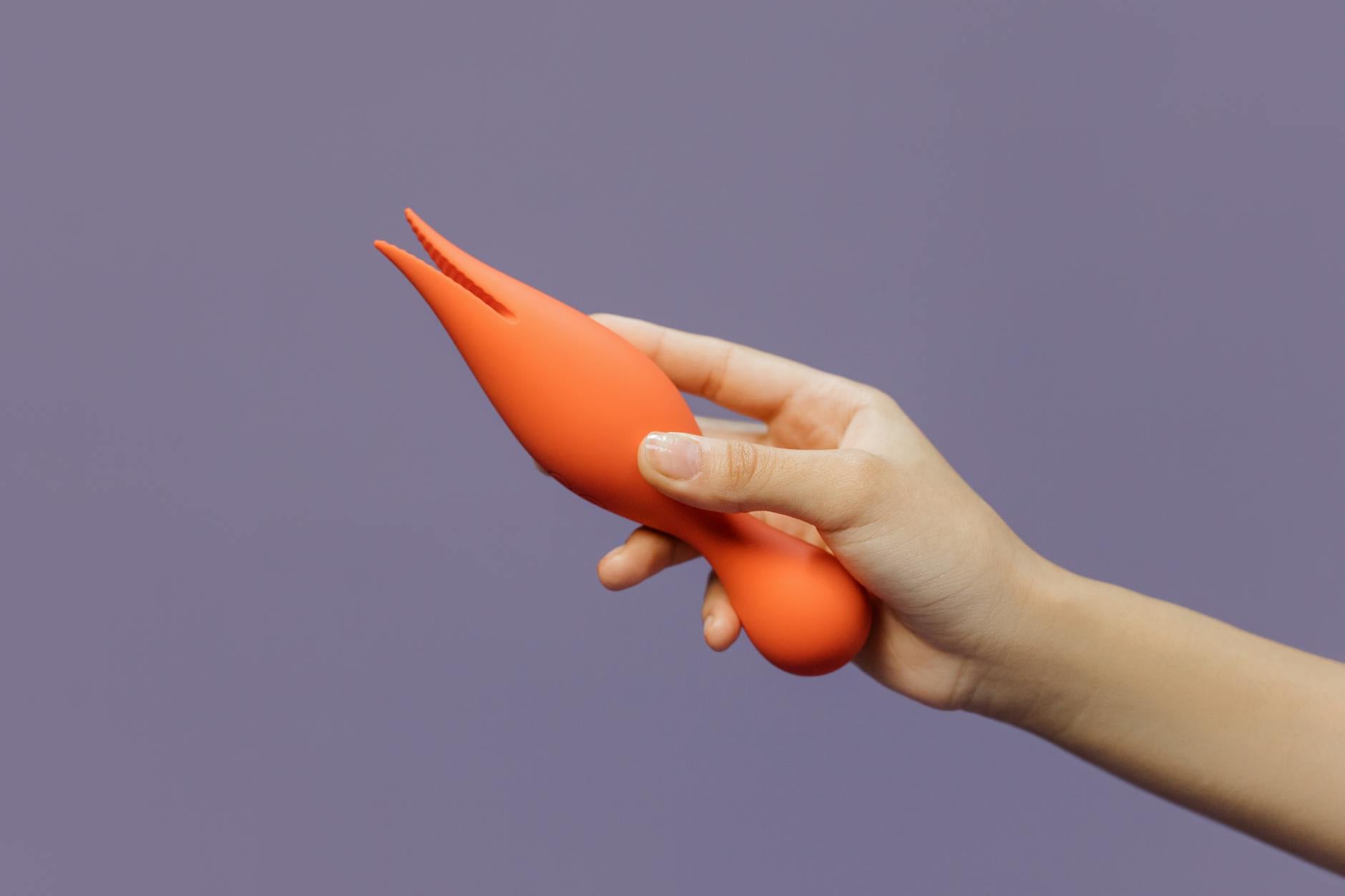
The Lemon clitoral vibrator uses air-pulse technology rather than traditional vibration. When you turn it on, you're not going to hear a loud buzz. You'll hear a softer, more rhythmic pulse. Some people find this less jarring on their nervous system. Others find it easier to stay aroused because there's less sensory interference.
Why this matters: if you've been turned off by vibrators in the past because they felt too intense, too buzzy, or overstimulating, air-pulse might be the entry point you've been looking for.
What to expect in your first session with air-pulse
Start with the lowest setting. Seriously. On a traditional vibrator you might jump to level three or four. With air-pulse, start at one. The sensation isn't about intensity the same way. Intensity comes more from the pattern and rhythm than from raw power. That first lowest setting is often enough to create significant sensation, and jumping straight to level five almost always feels overwhelming.
Position your lemon vibrator against your clitoris without pressure. You're not pushing down. You're letting the toy make gentle contact with your skin. The air-pulse does the work. Think of it more like a seal between the silicone opening and your body, not like you're applying pressure. This is different from traditional vibrators where slight pressure often feels better.
Budget more time than you think you need. Air-pulse sensation can take longer to build arousal than vibration does for some people. Your body is learning a new pattern of stimulation. Give yourself at least 15 to 20 minutes in your first session, even if you usually finish faster. Many people find that this slower build creates deeper, more satisfying orgasms than quick vibration sequences.
The positioning game changes with air-pulse
With traditional vibrators, you might angle the toy at different positions to find your sweet spot. Air-pulse has a smaller window of effective positioning because the suction only works when there's proper contact at the opening. The opening of your Lemon vibrator needs to be flush against your clitoral area.
Try this: place the toy so the opening covers your clitoris and the immediately surrounding tissue. You're not dragging it around. You're finding a position and letting the air-pulse do its work for 20 to 30 seconds before moving. Many people benefit from staying in one spot for an extended period rather than the back-and-forth motion that feels natural with traditional vibrators.
Another key difference: you can't use air-pulse effectively with a lot of clothing or barriers between you and the toy. The suction needs skin-to-skin contact. A thin layer of fabric breaks the seal. This means you'll want to have fully exposed access to your clitoris for air-pulse to work its magic.
Pattern selection: why rhythm matters more than power
Most air-pulse vibrators, including Lemon clitoral vibrators, come with multiple patterns or pulse sequences. These aren't just variations for novelty. The pattern is often more important than the intensity level when it comes to air-pulse sensation. A slow, deep pulse at level two might create more sensation than a rapid pulse at level four.
Experiment with patterns before you jump to the highest intensity. Many people find that they prefer specific rhythm sequences. Some respond to steady, consistent patterns. Others need variation. Some want a pattern that builds gradually. Take notes on what works, because this becomes your baseline for future sessions.
If you've struggled with numbness or reduced sensation using traditional vibrators, air-pulse patterns often feel more effective because they're engaging your nerves in a different way. The suction sensation and the rhythmic pulses create a more complex signal than steady vibration does.
The lube question with air-pulse
You technically don't need lubricant for air-pulse to work, which is one of its advantages. The suction creates its own kind of glide. That said, some people find that a thin layer of water-based lube helps the seal feel better and reduces any minor friction from repositioning. If you do use lube, use less than you would with a vibrator. Too much lube breaks the seal and kills the suction effect entirely.
Experiment without lube first. Many people find they prefer the direct contact. If your skin feels irritated after a session, or if you want to extend your play time, add a tiny amount of lube around the opening. But start without and notice what happens.
When air-pulse feels weird or wrong
Some people pick up a Lemon vibrator and feel immediately put off by the sensation. The pulsing can feel strange if your nervous system expected vibration. This doesn't mean air-pulse isn't for you. It often means you need a longer adjustment period. Your body needs time to learn this new stimulation pattern.
Give yourself at least three to five sessions before deciding air-pulse isn't your thing. Your first session often feels like the toy is barely doing anything. By session three, you might find that your body is responding in ways that vibration never triggered. This is normal. Different sensation pathways in your nervous system take time to activate.
If after five sessions air-pulse still feels awkward, that's useful information too. Some bodies respond better to traditional vibration. That's fine. You're not broken. You're just learning what your body actually wants.
Why people switch from vibration to air-pulse
Many folks reach a point where traditional vibrators stop working as well as they used to. This might happen because of reduced sensitivity, numbness from overuse, or just shifting preferences as your body changes. Air-pulse often resets this because it's engaging your clitoral tissue in a fundamentally different way.
If you've been using traditional vibration for a long time, your nerve endings might have become less responsive. Switching to air-pulse is like switching from coffee to tea. It's a different mechanism entirely, which often means your body has to relearn the experience. This reset period is actually useful.
Other people prefer air-pulse because it feels closer to partnered sex or manual stimulation. The rhythm and pressure pattern mimic what hands or a mouth would do in ways that vibration doesn't. If you've had trouble reaching orgasm with traditional vibrators but found partnered stimulation easier, air-pulse might bridge that gap.
Combining air-pulse with other sensations
Air-pulse works well alongside other types of touch. Many people find that combining air-pulse with vaginal penetration or internal G-spot stimulation creates a more complex sensation. You can also layer air-pulse with manual stimulation if you want. Some people use one hand to stimulate the clitoris with a Lemon vibrator while using their other hand or a partner's hand for internal touch.
The beauty of air-pulse is that it doesn't fully occupy your tactile attention the way intense vibration does. You have more bandwidth to feel other sensations simultaneously. This makes it especially good for partnered play where you want multiple types of stimulation at once.
Maintenance and cleaning with air-pulse toys
Because air-pulse toys create a seal, they need clean, dry storage more than traditional vibrators do. Any residual moisture or debris can damage the internal mechanism. After each use, wash the silicone with warm soapy water, dry it completely, and let it air dry for at least an hour before storing.
The opening of your Lemon vibrator is particularly important to keep clean. Use a soft brush or cloth to gently clean inside the opening. Don't force anything. The opening is delicate, and you're just removing any residue from use.
Store your toy in a dry place, never in a sealed container while damp. The moisture in a sealed space can degrade the internal pump mechanism over time. Many people keep air-pulse toys in a breathable pouch or drawer, open to air circulation.
When to reach out for help
If your Lemon vibrator isn't creating any suction sensation despite proper positioning and new batteries, contact support. Sometimes the seal mechanism needs adjustment or the internal mechanism needs attention. Don't force it. Air-pulse toys that aren't working properly won't suddenly start working with more pressure. Something's wrong with the toy, not your technique.
If you're using air-pulse correctly but still experiencing numbness or reduced sensation, that might be a sign that your body needs a break from any stimulation for a few weeks. This can help reset your nerve sensitivity. Then return to air-pulse with fresh sensation.
FAQs about air-pulse and lemon vibrators
How long does it take to orgasm with air-pulse compared to vibration?
It varies widely. Some people finish faster with air-pulse. Others take longer because the sensation is different and it takes time for their body to respond. In your first few sessions, plan for 15 to 25 minutes. As your body learns the pattern, you might find you finish in 5 to 10 minutes. Don't compare your air-pulse sessions to your vibration sessions. Your body is building new neural pathways, and that takes time.
Can I use my lemon clitoral vibrator with a partner?
Absolutely. Air-pulse can work well in partnered play. Your partner can hold the toy while you guide positioning and pressure. Some couples enjoy the rhythm element because it's easier for a partner to maintain consistent stimulation than it is manually. You can also use it during penetrative sex if that's something you're interested in exploring.
Do I need to use a specific type of lube with air-pulse vibrators?
Water-based lubrication is your only option with silicone toys. But remember that you need less lube than you might use with a traditional vibrator. Too much lube breaks the seal. If you're finding that standard water-based lube feels too thick, try a thinner formulation or skip lube entirely and start from there.
Why does my lemon vibrator feel like it's barely doing anything on the first try?
Your positioning might need adjustment, or your body might just need time to register the sensation. Air-pulse is subtler than vibration. What feels like nothing on your first session often creates significant sensation by session three. If you've confirmed your positioning is correct and your toy is on, give your body at least three more tries before deciding it's not working.
Can air-pulse help if I have reduced sensation from aging?
Often, yes. Many people who've experienced reduced sensation as they've gotten older find that air-pulse reengages their clitoris in ways vibration no longer does. This is because air-pulse is activating different nerve pathways. If you've read about reduced sensitivity and aging, air-pulse might be the reset you need.
What's the difference between a lemon vibrator and other air-pulse toys?
Lemon clitoral vibrators use air-pulse technology specifically designed for external stimulation. They're engineered to create an effective seal and consistent rhythm. The silicone is body-safe and durable. Quality air-pulse toys like those from Lemon Clit Shop tend to have more reliable mechanisms and quieter operation than budget alternatives. You're paying for engineering, not just novelty.
The bottom line
Switching from vibration to air-pulse is like learning a new language. Your body needs time to adjust, your positioning needs to be precise, and your expectations need to match what air-pulse actually does. But for many people, this switch unlocks sensations that traditional vibrators never created. Give yourself permission to learn slowly. Document what works. Trust that three sessions of awkwardness often leads to breakthroughs you didn't expect.
If you have questions about getting the most from your lemon vibrator or want personalized guidance on transitioning to air-pulse, reach out to our team. We're here to help you find what actually works for your body.