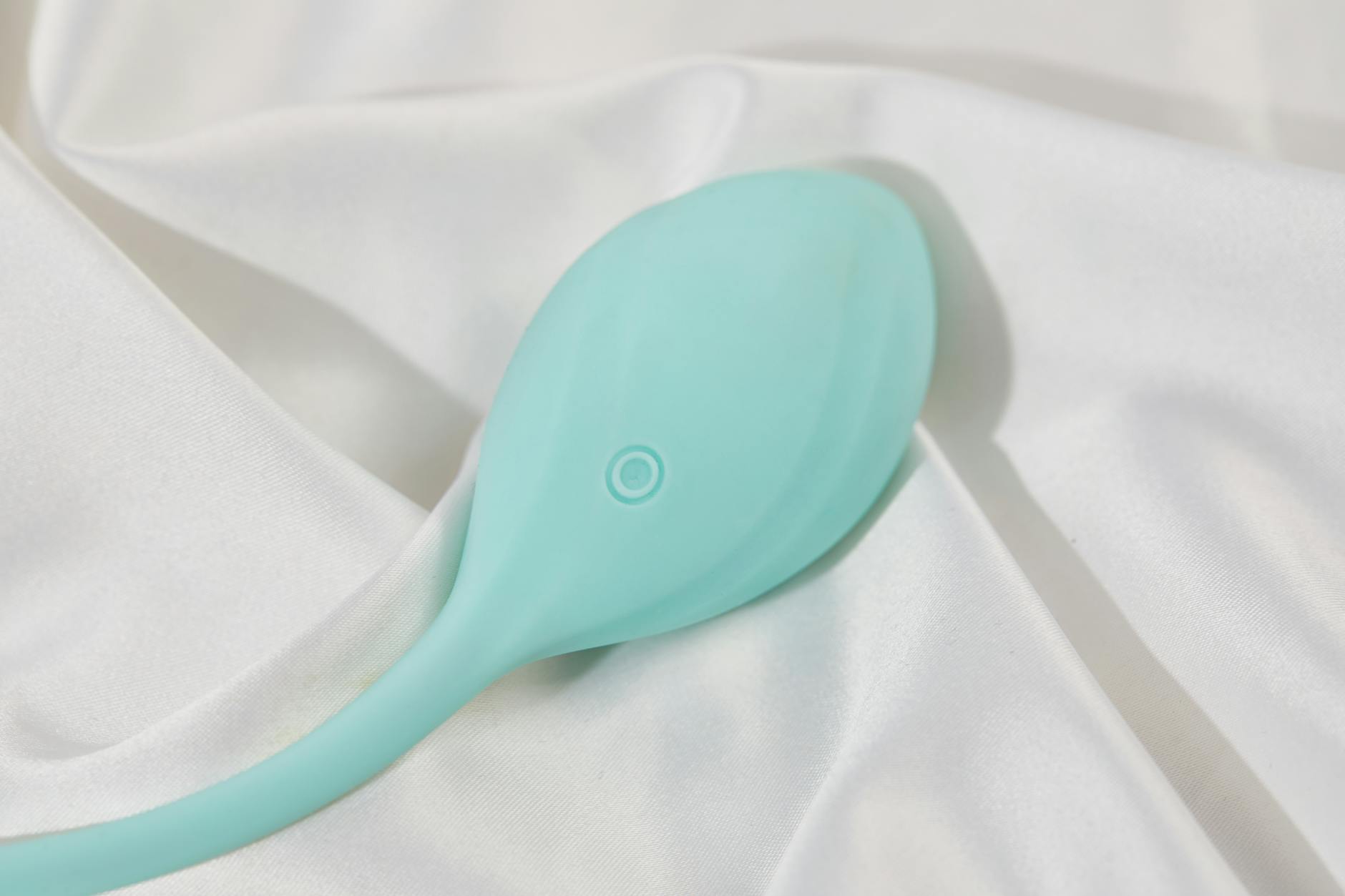
Let's talk about why lubricant changes everything with a lemon vibrator
Honestly, the question "Should I use lube with my lemon vibrator?" gets asked less than it should. Most people assume lube is only for when things are dry, but that's thinking too small. Lubricant is a tool for sensation design. It changes texture, reduces friction intensity, allows for longer sessions without discomfort, and makes micro-movements feel completely different. With a lemon clitoral vibrator, which delivers precise suction and vibration, lube becomes part of your technique, not just a backup plan.
The physics is straightforward. Suction works by creating a seal and a pressure differential. Lube doesn't break that seal. Instead, it creates a glide layer that softens the intensity of contact, distributes sensation more evenly across the tissue, and lets you experiment with speed and pattern without the nerve-ending overwhelm that sometimes comes with direct contact on highly sensitive skin.
If you've ever thought a lemon vibrator was "too much" or found yourself tensing up during use, lube might be the actual solution you've been looking for.
Which lubricants work best with lemon vibrators
Not all lubes are created equal, especially when you're pairing them with a lemon sucker or any clitoral vibrator.
Water-based lubricants are your safest bet. They're compatible with silicone toys (which your lemon vibrator is made from), they wash off easily, and they dry naturally without leaving a sticky residue. Brands like Sliquid, Aloe Cadabra, and Good Clean Love all work beautifully. Water-based lubes also tend to have a lighter feel, which is useful when you're trying to dial in sensation rather than adding weight or thickness to the experience.
The catch: water-based lubes dry out faster, especially during longer sessions. You'll need to reapply every 10 to 15 minutes if you're going beyond that window. That's not a problem. It's actually useful because it gives you a natural rhythm checkpoint.
Silicone-based lubes feel luxurious and last longer, but here's the issue. Most lemon vibrators are made from silicone, and silicone lube can degrade silicone toys over time. If you want to use a silicone-based lube, check your vibrator's material first (the Hello Nancy site will tell you) and only use it if your device is made from something else or if the manufacturer explicitly says it's silicone-lube safe. It's usually not worth the risk.
Oil-based lubricants (coconut oil, jojoba oil, etc.) feel great but can damage latex and some silicone compounds. Skip them with your lemon vibrator.
Pro move: Test any new lubricant on a small patch of skin first. If you have vulvodynia or similar sensitivities, some brands' additives can trigger irritation. See our guide on can you use a lemon vibrator if you have vulvodynia for more specific guidance on lube selection with sensitive tissue.
How to apply lube for optimal sensation with a lemon clitoral vibrator
Application matters more than you'd think. Here's the technique I recommend.
Start with your hand. Apply a small amount of water-based lubricant directly to your external clitoris and vulva with your fingers, using gentle circular motions to warm it and distribute it evenly. This isn't foreplay. This is preparation. Take about 30 seconds to a minute. You're creating a comfortable barrier layer, not flooding the zone.
Add a second application to the device itself. Once you're ready to introduce your lemon vibrator, apply a thin layer of lube to the top of the suction cup. This does two things. First, it ensures a consistent glide layer between the cup and your tissue. Second, it helps the device maintain suction without creating that harsh pressure that sometimes happens on completely dry tissue.
Don't overdo it. A lot of lube sounds like it would feel better, but excess lubricant actually reduces sensation because the vibrator has to work harder to create enough pressure to register on your nerves. Think of it like this: you want enough lube to soften contact, not enough to create a barrier that drowns out sensation entirely. Start with a dime-sized amount and add more only if you need it.
Reapply strategically. If you're using water-based lube and notice the sensation flattening out after 10 to 15 minutes, add a little more. But pause your vibrator, reapply, and give yourself 20 to 30 seconds to redistribute it before you turn it back on. That micro-pause is also good for your nervous system. It prevents overstimulation creep, where you keep ramping up intensity to compensate for numbness that's actually just fatigue.
Building intensity safely with lubricant
One of the biggest advantages of using lube with your lem vibrator is that it lets you build sensation gradually instead of going from zero to overwhelming.
Here's a progression that works well: Start on the lowest pattern or intensity setting. With lubricant, even level 1 will feel more present than it would dry. Spend 2 to 3 minutes here. Let your body wake up. Notice what the sensation actually feels like instead of bracing against it.
After 3 minutes, move to pattern 2 or intensity level 2. Again, stay here for a few minutes. You're training your nervous system to recognize and enjoy increasingly specific sensations, not racing to the finish.
Once you've spent time at each level and your body feels warm and responsive, you can move faster through the settings. But that initial slow climb changes the entire experience. You're more aware. You're less likely to tip into overstimulation. And your orgasms, when they come, tend to have more texture and nuance.
Lubricant makes this easier because the softer initial contact means you're not starting at a sensitivity ceiling. You've got room to build.
Common mistakes people make with lube and lemon vibrators
Mistake 1: Using lube to power through pain. If something hurts, lube won't fix it. Pain is information. It usually means one of three things: the vibrator intensity is genuinely too high for right now, you need more foreplay before introducing the device, or there's an underlying tissue issue that needs attention. Lube is for comfort, not for forcing yourself through discomfort. If you consistently feel pain, read our piece on why does my lemon vibrator cause pain.
Mistake 2: Applying lube only when you're already struggling. Use it proactively. A little lube at the start of a session sets the tone for everything that follows. Don't wait until you're numb or frustrated.
Mistake 3: Mixing water-based and silicone-based lubes. It seems logical that if both work, mixing them would be fine. It's not. Silicone-based lubes actually break down water-based formulations, and you end up with a weird separated consistency that doesn't feel good and isn't doing either job well.
Mistake 4: Forgetting that lube degrades over time. Water-based lubricants have a shelf life. Once a bottle is open, use it within 6 to 9 months. If it smells off or looks separated, throw it out. Expired lube loses its glide and can introduce bacteria.
Why couples should talk about lube together
If you're using a lemon clitoral vibrator with a partner, lubricant is part of that conversation. Some partners worry that needing lube means something is wrong or that they're not "doing enough." That's not how this works. Lube is neutral technology. It's not a reflection on either of you. It's a tool for better sensation.
Make it casual. "Hey, I want to try using lube with my vibrator. It changes the feeling. Want to be involved?" Most partners appreciate being invited into the pleasure design, not just the outcome. And honestly, if your partner is involved in applying the lubricant or even just present while you do it, it often brings an intimacy layer that you wouldn't get going solo.
Lubricant isn't a sign that something is missing. It's a way to design sensation more intentionally.
When to skip the lube (yes, sometimes)
Not every session needs lubricant. Some people prefer the direct sensation of their lemon vibrator without any mediation. That's completely valid. If you have very responsive tissue and low density, you might find that lube actually muffles sensation too much. The beauty of understanding how lube works is that you get to choose when to use it based on what your body needs that day.
Pay attention to this: do you feel more pleasure with lube, or more numbing? If it's numbness, you might be someone whose sensitivity actually peaks without it. Alternatively, you might need a different type of lube or a thinner application. Experiment. Your body will tell you what works.
FAQ: Lubricant and lemon vibrators
What happens if I use my lemon vibrator without any lubricant?
You'll feel more direct, concentrated sensation. For some people, this is perfect. For others, especially if you have sensitive tissue or want longer sessions, it can feel too intense or lead to mild irritation from extended friction. Using lube is entirely optional, but it's worth trying at least once to see how it changes your experience.
Can I use coconut oil with my lemon clitoral vibrator?
Coconut oil feels nice but it can degrade silicone. Since lemon vibrators are made from silicone, stick with water-based lubes. Coconut oil also gets sticky as it warms, which isn't ideal for the glide you want with a suction device.
How much lubricant should I use with my lem vibrator?
Start with a dime-sized amount applied to your vulva and a light layer on the device itself. More lube doesn't mean better sensation. It usually means you're reducing the intensity and pressure needed for the device to work effectively. Add more only if the sensation becomes too dry or uncomfortable.
Will lubricant reduce the strength of the suction on my lemon vibrator?
No. Water-based lubricant doesn't break suction. What it does do is create a softer, more distributed pressure so the sensation feels less intense but doesn't become weaker. The device still functions fully. The sensation is just less sharp.
Is it okay to use a condom with lubricant and a lemon sucker during partnered play?
Absolutely. If you're using a condom for any reason, water-based lube works great with both condoms and silicone toys. Just remember that the condom reduces sensation somewhat, so you might want a slightly higher intensity setting than you'd normally use.
How often should I reapply water-based lubricant during a session?
Most water-based lubes stay effective for 10 to 15 minutes before drying. If you notice sensation flattening out, that's your cue to add more. Pause your vibrator, apply a little more, let it distribute for 20 to 30 seconds, then continue. Regular reapplication is normal and expected, not a sign that something is wrong.
Using lubricant with your lemon clitoral vibrator transforms the experience from functional to intentional. You're not just using the device. You're designing sensation. That shift in mindset, paired with the physical changes lube creates, often unlocks a level of pleasure that felt out of reach before. Start small, pay attention to what your body tells you, and give yourself permission to adjust based on what actually feels good, not what you think should feel good.
If you're still exploring lemon vibrators and want foundational guidance, check out how to use a lemon vibrator if you've never had one before. And if you're navigating sensitivity questions, best lemon vibrator settings for different types of stimulation breaks down pattern selection in detail.
Your pleasure is worth the small effort to get it right. Lube is one of the simplest tools that proves it.